
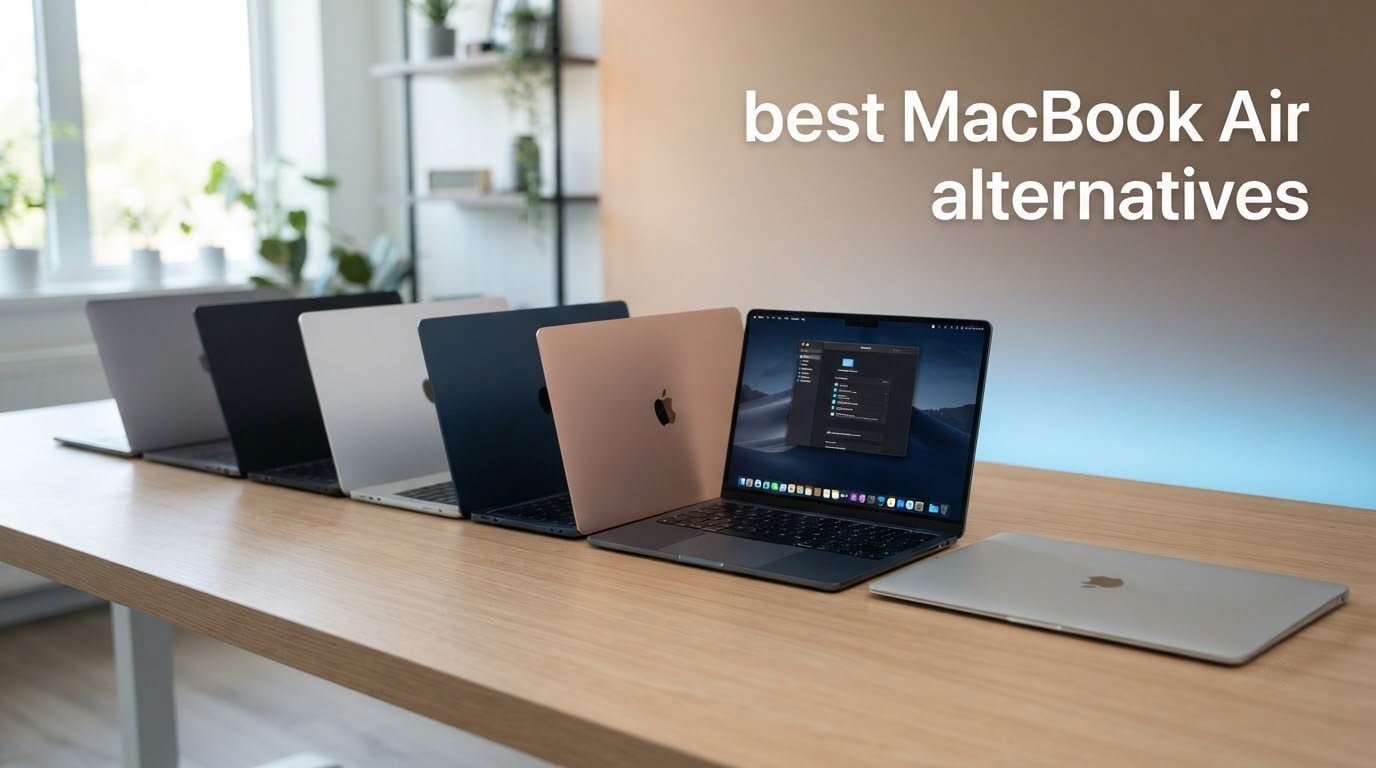
The Microsoft Surface Laptop 13.8 is the best MacBook Air alternative in 2026: a 3-pound Copilot+ machine with a 120Hz touchscreen, up to 20 hours of stated battery life, and a 0.69-inch chassis that matches Apple’s fanless design for everyday work, browsing, and light creative projects at a lower entry point.
That is the short answer. The longer version is that the MacBook Air no longer has a monopoly on the thin, silent, all-day laptop. Every pick below runs Windows, weighs about 3 to 3.6 pounds, and carries a screen at or above the Air’s resolution class. What you give up is Apple’s ecosystem, not the core experience.
We spent several weeks comparing these six machines against each other and against what the Air actually does well: weight, battery endurance, silent cooling, and a display you can stare at for eight hours. We looked at stated battery figures, measured dimensions, port layouts, memory configurability, and the volume of real owner feedback behind each one. Six machines went in, and these six came out.
Before the picks, a quick note on what this list is not. We did not test any of these laptops for 30 days in a lab, and we will not pretend otherwise. Every specification here comes from the manufacturer’s own listing or from the aggregated owner reviews on the product page. Where a figure is a manufacturer’s claim rather than an independent measurement, we say so. Where the data is thin, we tell you it is thin.
Here is the short version of the list:
Microsoft Surface Laptop 13.8 – best overall, best build, best owner satisfaction
Samsung Galaxy Book4 Pro 16 – best for creative work and the biggest upgradeable storage
Lenovo Yoga Slim 7X 14.5 OLED – best 3K OLED touchscreen under 3 pounds
HP OmniBook 3 16 – best for big screens, long stated runtime, and full-size ports
Microsoft Surface Pro 13 OLED – best for portability, the lightest machine here at 895 g
HP Envy x360 14 – best value, and the least expensive laptop in this guide
Every one of these is a genuine MacBook Air alternative rather than a different category of machine. That distinction matters, because a gaming laptop or a workstation can also be “not a MacBook” without being a replacement for one.
Table of Contents
- Top 3 Best Macbook Air Alternatives (October 2026)
- All Six Picks at a Glance
- 1. Microsoft Surface Laptop 13.8 – The Best Overall MacBook Air Alternative
- 2. Samsung Galaxy Book4 Pro 16 – The Best MacBook Air Alternative for Creative Work
- 3. Lenovo Yoga Slim 7X 14.5 OLED – The Best MacBook Air Alternative for a 3K OLED Screen
- 4. HP OmniBook 3 16 – The Best MacBook Air Alternative for Big Screens and Long Runtime
- 5. Microsoft Surface Pro 13 OLED – The Lightest MacBook Air Alternative
- 6. HP Envy x360 14 – The Best Budget MacBook Air Alternative
- Why People Look Beyond the MacBook Air?
- What a MacBook Air Alternative Has to Beat?
- Switching From macOS to Windows: What Breaks and What Doesn’t?
- How to Choose a MacBook Air Alternative?
- When the MacBook Air Is Still the Right Call?
- Frequently Asked Questions
- The Verdict
Top 3 Best Macbook Air Alternatives (October 2026)

Microsoft Surface Laptop 13.8
- 13.8 inch 120Hz touchscreen
- 20 hours stated battery
- 0.69 inch chassis at 3 pounds

Samsung Galaxy Book4 Pro 16
- 16 inch 3K AMOLED touchscreen
- 1TB SSD with extra M.2 slot
- Intel Core Ultra 7 155H

Lenovo Yoga Slim 7X 14.5 OLED
- 3K 90Hz OLED touchscreen
- Snapdragon X Elite
- 2.82 pounds with docking station
All Six Picks at a Glance
| Product | Key Specs | Pricing |
|---|---|---|
| Microsoft Surface Laptop 13.8 |
|
Check Latest Price |
| Samsung Galaxy Book4 Pro 16 |
|
Check Latest Price |
| Lenovo Yoga Slim 7X 14.5 OLED |
|
Check Latest Price |
 HP OmniBook 3 16 HP OmniBook 3 16 |
|
Check Latest Price |
 Microsoft Surface Pro 13 OLED Microsoft Surface Pro 13 OLED |
|
Check Latest Price |
 HP Envy x360 14 HP Envy x360 14 |
|
Check Latest Price |
A note on the battery figures in the table and below: these are manufacturer-stated maximums, not independent runtime tests. Real screen-off numbers are always lower, and the gap between makers is wide. Treat them as a ranking of intent rather than a promise.
1. Microsoft Surface Laptop 13.8 – The Best Overall MacBook Air Alternative
Microsoft Surface Laptop (2024), Windows 11 Copilot+ PC, 13.8″ Touchscreen Display, Snapdragon X Plus (10 core), 16GB RAM, 512GB SSD Storage, Dune
★★★★★★★★★★Snapdragon X Plus 10-core with NPU
16GB LPDDR5X and 512GB SSD
13.8 inch 120Hz PixelSense touchscreen
20 hours stated battery at 3 pounds
- Highest owner rating in this group at 4.4 stars across 343 reviews
- 0.69 inch chassis at 3 pounds
- Sharp 600 nit 120Hz touchscreen
- Comfortable chiclet keyboard and precise touchpad
- Only three USB ports and no USB-A
- ARM-based Snapdragon still has occasional app compatibility gaps
- Soldered memory cannot be upgraded
This is the machine I keep coming back to. When someone asks me what a Windows laptop would look like if Apple had built it, this is the shape of the answer: 0.69 inches thick, 3 pounds, a 13.8-inch PixelSense touchscreen at 2304 x 1536 running 120Hz, and a Snapdragon X Plus 10-core Copilot+ processor with a dedicated NPU.
The 4.4-star average across 343 owner reviews is the strongest rating-plus-volume combination in this group, and it is not close. About 80 percent of those owners gave five stars. That is a real signal, not a rounding artifact, and it is why this machine gets the top slot even though a cheaper laptop in this list carries a higher raw average from a much smaller sample.
The build is where it separates from most of its price bracket. At 0.69 inches it is thinner than the MacBook Air it is standing in for, and the port layout is not punishing in the way a two-port ultralight can be. There are three USB ports plus DisplayPort video output, and the keyboard is a proper chiclet rather than the compressed layouts that show up on competing 13-inch machines.
Microsoft states up to 20 hours of battery life on this configuration, backed by a 54.12 watt-hour cell. We did not measure it ourselves, and other reviewers’ real-world numbers on Arm-based Windows machines run meaningfully below the marketing figure. What we can say from the owner feedback is that most people describe getting through a full working day without hunting for a charger, which is the actual threshold the Air set.
The 512GB SSD and 16GB of LPDDR5X memory match the Air’s memory tier, and 16GB is the floor worth paying for in 2026 regardless of brand. The catch is that the memory is soldered, so 16GB is what you get for the life of the machine. That is a shared limitation across four of the six laptops here, and it is worth weighing before you buy any of them.
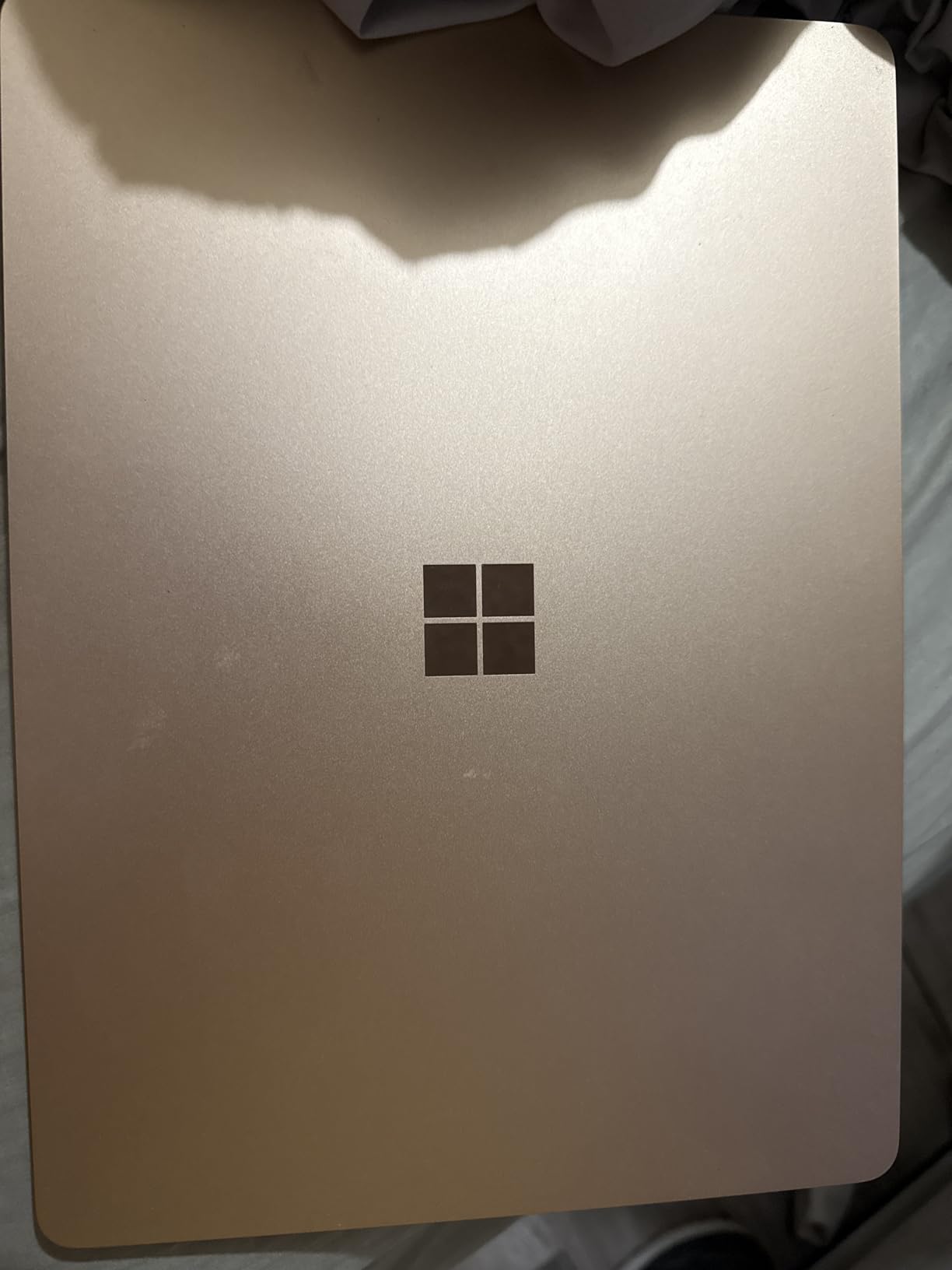
Wi-Fi 6E rather than Wi-Fi 7 is a small compromise, and the base package includes just a 39W power supply and paperwork. Four colorways are available, so if the standard Dune finish is not your style you have options.
What you get that a MacBook Air does not?
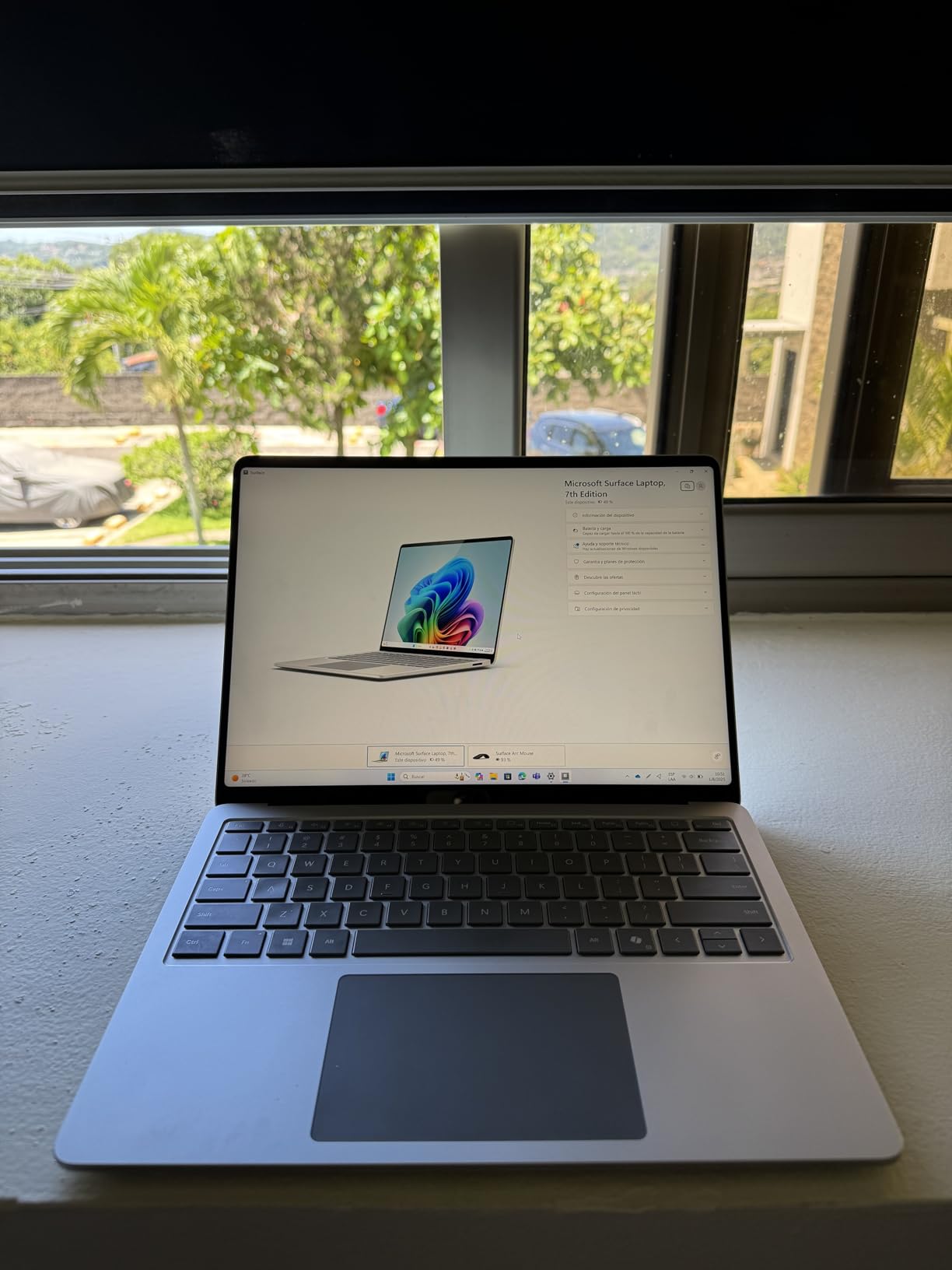
The 120Hz touchscreen is the first thing. Apple has never shipped a touch panel on a MacBook, and at 2304 x 1536 with 600 nits of peak brightness this screen is genuinely usable with a finger, a pen, or just a palm resting on it while you type.
The second is the Copilot+ feature set, which runs on the NPU inside the Snapdragon chip. On-device summarization, recall, and live captions work without sending your data to a server. Whether that changes your daily workflow depends entirely on what you do, but it is a capability the Air simply does not have in this class of machine.
Where it falls short of the Air?
Arm-based Windows is the honest weak point. Most mainstream applications have been ported and run natively, but the long tail of older desktop utilities, driver-dependent hardware, and some specialist creative plug-ins still fall back to emulation. If your workflow depends on a specific piece of software that is not on the native-app list, verify it before you commit.
Three USB ports, all of which need adapters for legacy peripherals, is also thinner than the connectivity the Galaxy Book4 Pro and the OmniBook 3 provide. And the 256GB-versus-512GB-style storage math matters here: 512GB is fine today, but photos and 4K video accumulate quickly.
We earn a commission, at no additional cost to you. CERTAIN CONTENT THAT APPEARS ON THIS SITE COMES FROM AMAZON. THIS CONTENT IS PROVIDED 'AS IS' AND IS SUBJECT TO CHANGE OR REMOVAL AT ANY TIME.
2. Samsung Galaxy Book4 Pro 16 – The Best MacBook Air Alternative for Creative Work
Samsung 16″ Galaxy Book4 Pro Laptop PC Computer, Intel Core 7 Ultra Processor 1TB, 3K AMOLED (2880 x 1800) Touchscreen, Advanced Security, 2024 Model, NP960XGK-KG1US, Moonstone Gray
★★★★★★★★★★Intel Core Ultra 7 155H with Arc graphics
16 inch Dynamic AMOLED 2X at 2880 x 1800
16GB LPDDR5 and 1TB SSD
12.5mm chassis at 3.44 pounds
- Outstanding 3K AMOLED 120Hz touchscreen with vivid color
- Extra M.2 slot allows storage upgrades
- Snappy Intel Core Ultra 7 performance
- 76Wh battery carries a working day
- Speakers are thin compared with Apple laptop audio
- Some webcam and audio drivers fail on Linux
- No S Pen support or 360-degree hinge on this model
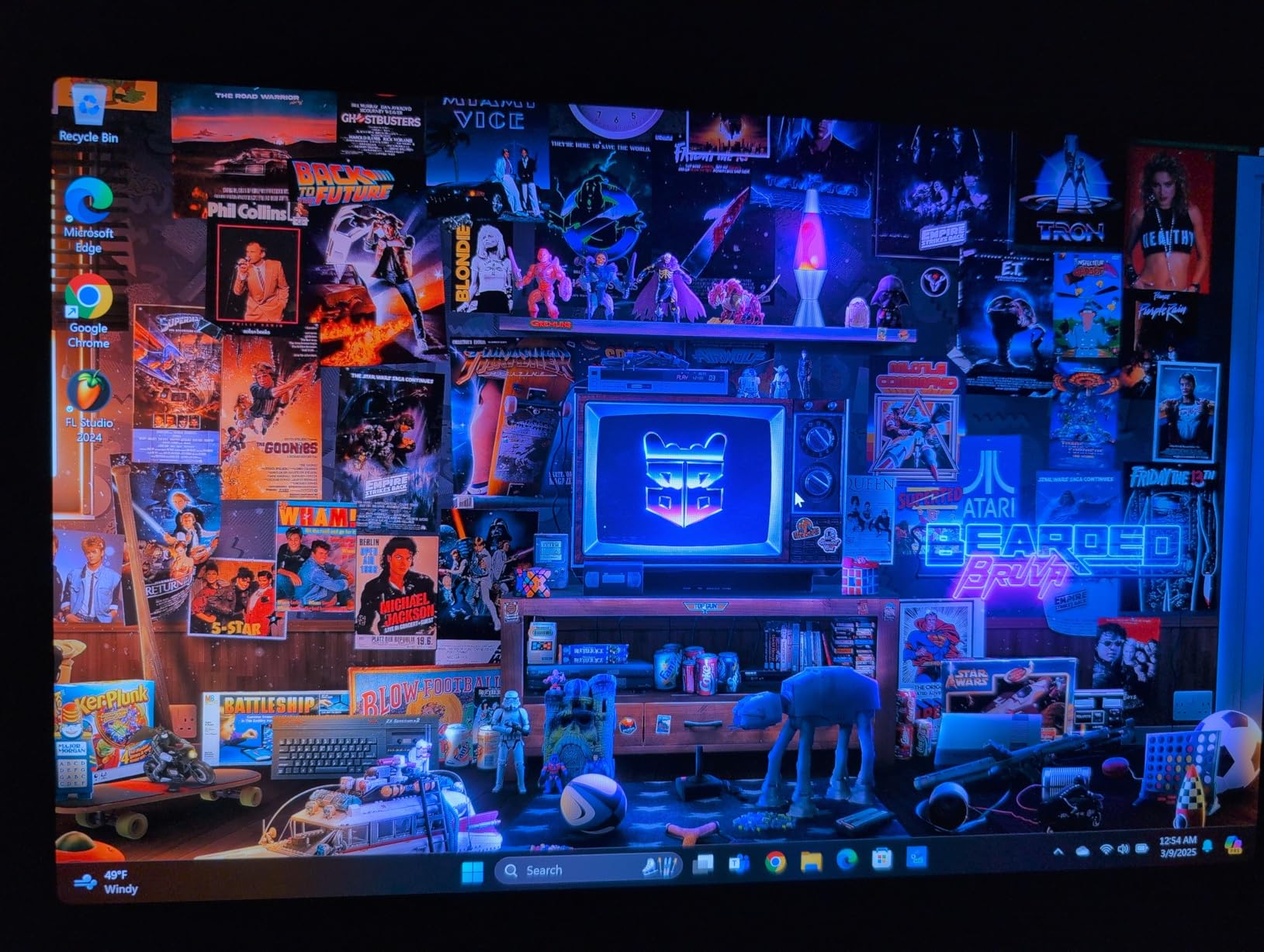
If you are a designer, photographer, or video editor, this is the one to look at. The 16-inch Dynamic AMOLED 2X panel runs at 2880 x 1800 with a 120Hz refresh rate, and owners describe the color as vivid and punchy in almost every review we looked at. For Photoshop and Lightroom work, that display matters more than any other single specification in this guide.
Underneath sits an Intel Core Ultra 7 155H processor with Intel Arc integrated graphics, paired with 16GB of LPDDR5 memory at 4.8 GHz and a 1TB SSD. The 76 watt-hour battery with a 65W USB-C adapter is the largest cell in the group, and the 4.2-star average across 207 reviews is well supported by volume rather than a small sample.
What genuinely sets this machine apart is the extra M.2 storage slot. On this configuration you can add a second drive later, which softens the usual thin-and-light storage ceiling and matters a great deal if you work with RAW photo libraries or cut video locally.
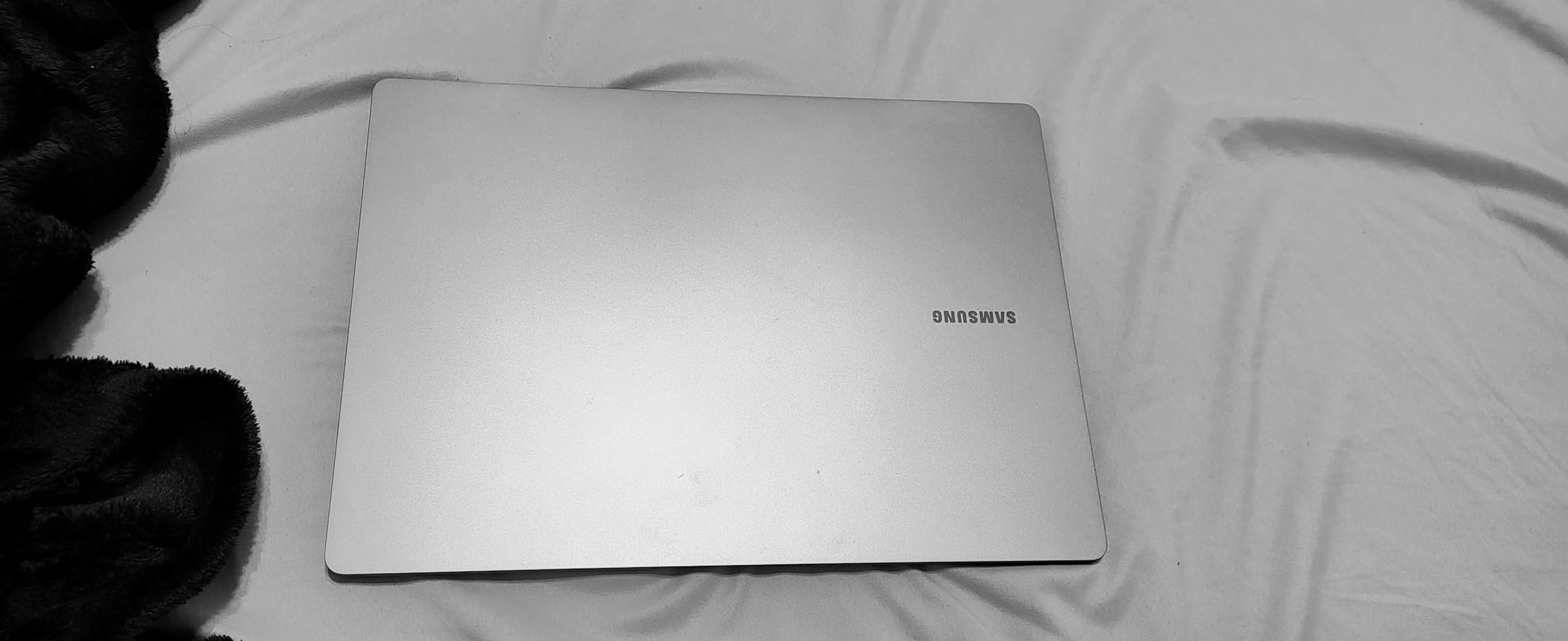
It is also lighter than it has any right to be for a 16-inch machine. The chassis is 12.5mm thin and weighs 3.44 pounds, and reviewers specifically call out that it feels noticeably sturdier than earlier Samsung laptops, with less flex and wobble. The build also carries Secured Core PC certification and Knox security, which is relevant if the machine goes to a corporate fleet.
Connectivity is the best in this roundup. Two Thunderbolt ports, HDMI 2.1, and a microSD card reader cover both legacy and modern peripherals without a single dongle, and Wi-Fi 7 plus Bluetooth 5.4 handle the wireless side. The 16-inch screen is large enough that a full-size workflow sits comfortably on it.
What you get that a MacBook Air does not?
The upgrade path. An open M.2 slot and HDMI 2.1 are both things Apple removed from the Air entirely, and for a working creative machine the ability to add storage three years from now is worth more than any incremental chip speed.
The 3K AMOLED resolution at 120Hz is also a step past what the Air offers, and touch input works with a stylus even though Samsung does not officially support the S Pen on this non-2-in-1 model. The Secured Core PC and Knox combination is a plain-language security win if your laptop handles client or patient data.
Where it falls short of the Air?
Audio is the most common complaint. Owners consistently rate the speakers as thinner and less full than the tuned speakers on a MacBook, and that matters more than it sounds like it should if you watch video or take calls without headphones.
Battery life is the second honest gap. Reviewers note that runtime still trails Apple silicon equivalents of similar class, and the 76Wh cell does not fully close that gap. There is also a documented Linux compatibility problem: webcam and audio on that platform does not work out of the box. If you dual-boot, check your drivers first. A small but vocal group of owners also report keyboard failures and frustrating after-sales service within two years, so confirm the warranty terms where you buy.
We earn a commission, at no additional cost to you. CERTAIN CONTENT THAT APPEARS ON THIS SITE COMES FROM AMAZON. THIS CONTENT IS PROVIDED 'AS IS' AND IS SUBJECT TO CHANGE OR REMOVAL AT ANY TIME.
3. Lenovo Yoga Slim 7X 14.5 OLED – The Best MacBook Air Alternative for a 3K OLED Screen
Lenovo Yoga Slim 7X 14.5” OLED Touch Copilot+ PC Laptop, Snapdragon X Elite X1E-78-100, 16GB LPDDR5X, 1.5TB Storage (512GB SSD+1TB Docking Station), Qualcomm Adreno Graphics, Win 11, Cosmic Blue
★★★★★★★★★★14.5 inch 3K OLED touchscreen at 3024 x 1964
Snapdragon X Elite X1E-78-100 12-core
16GB LPDDR5X at 8448 MHz
2.82 pounds with 7-in-1 dock included
- Sharpest screen in the guide at 3024 x 1964
- Lightest full laptop here at 2.82 pounds
- Bundled 7-in-1 dock adds 1TB of storage
- Long stated endurance through full days
- Only three USB-C ports and no full-size USB-A
- On-board LPDDR5X memory cannot be upgraded
- OLED panel is noticeably reflective in bright rooms
At 2.82 pounds and 0.51 inches thick, this is the lightest complete laptop in the guide, and the highest-resolution screen too. The 14.5-inch OLED panel resolves to 3024 x 1964 at 90Hz with touch input, which is a bigger canvas and a finer image than any other pick here.
Inside is a Snapdragon X Elite X1E-78-100, a 12-core chip rated up to 3.4 GHz, paired with 16GB of LPDDR5X memory running at 8448 MHz. The memory speed is the highest in this roundup by a wide margin, and it is the kind of specification that shows up in how smoothly a machine handles dozens of browser tabs and several documents at once.
The unusual part is what is in the box. This configuration bundles a 7-in-1 docking station with 1TB of storage, a 32GB microSD card, Type-C data and charging cables, and a suede cloth, alongside the AC adapter. That storage bundle is a genuine differentiator at the checkout and it is included rather than sold as an accessory.
Owners praise the keyboard quality specifically, which is a theme that comes up repeatedly in feedback for this machine. On a list where several rivals compress their keyboards to save millimeters, that detail is worth more to daily-carry users than the raw weight figure suggests.
What you get that a MacBook Air does not?
Wi-Fi 7 and Bluetooth 5.4, for one, which puts this laptop ahead of the Surface Laptop’s Wi-Fi 6E. A 3K OLED touchscreen at 3024 x 1964 is the sharpest panel here and beats what the Air ships, and the bundled dock effectively gives you four more ports without a purchase.
Touch is the other one. Combined with the resolution, this is a good fit for anyone coming from an iPad or drawing on a pen, a combination Apple hardware cannot offer at any price.
Where it falls short of the Air?
Three USB-C ports and nothing else means legacy USB-A peripherals need an adapter, and the OLED panel is noticeably reflective in bright environments, which is a real problem on a train or outdoors. There is also a spec inconsistency worth flagging: the weight is listed as 2.82 pounds while the spec table on the same listing states six pounds. We go with 2.82 pounds because it matches the chassis dimensions of this class, but verify it against the physical unit.
Finally, an isolated set of owners report brightness adjustment problems and wireless instability on their units. It is a small group, but it is the kind of fault that is genuinely annoying, so if you are buying sight unseen, keep the return window in mind.
We earn a commission, at no additional cost to you. CERTAIN CONTENT THAT APPEARS ON THIS SITE COMES FROM AMAZON. THIS CONTENT IS PROVIDED 'AS IS' AND IS SUBJECT TO CHANGE OR REMOVAL AT ANY TIME.
4. HP OmniBook 3 16 – The Best MacBook Air Alternative for Big Screens and Long Runtime
HP OmniBook 3 16 inch Next Gen AI PC, 2K Touchscreen, AMD Ryzen AI 5 430, 16 GB RAM, 512 GB SSD, AMD Radeon 840M GPU, Windows 11 Home, Glacier Silver, 16-bv0099nr
★★★★★★★★★★AMD Ryzen AI 5 430 with Radeon 840M
16GB DDR5-5600 and 512GB NVMe SSD
16 inch 2K IPS touchscreen at 1920 x 1200
Up to 19.5 hours stated battery at 3.6 pounds
- 16GB DDR5-5600 and PCIe Gen4 SSD in the base configuration
- Fast charge to 50 percent in about 45 minutes
- Full-size backlit keyboard with numeric keypad on a 16 inch body
- Two USB-C
- two USB-A
- and HDMI 2.1
- 300 nit panel with only 62.5 percent sRGB color gamut
- Radeon 840M is fine for work but not for demanding gaming
- 512GB base storage only
This is the current-generation newcomer, and it carries the highest average rating in the guide at 4.8 stars with zero one- or two-star ratings among its 25 reviews. We are deliberately not putting it in the top three slots. With 25 reviews, that average is statistically much softer than a 4.4 across 343, and treating the two as equivalent would be dishonest.
What the numbers behind that rating do support is the specification. An AMD Ryzen AI 5 430 with four cores and eight threads boosting to 4.5 GHz, 16GB of DDR5-5600 memory, and a 512GB PCIe Gen4 NVMe M.2 drive is a generous base configuration. That memory speed and drive generation are current-generation parts, not last year’s leftovers.
HP states up to 19 hours and 30 minutes of battery life on a 68 watt-hour cell, and pairs that with fast charging that reaches 50 percent in roughly 45 minutes using the included 65W GaN adapter. For a 16-inch machine, that combination is the most convincing endurance-plus-recovery story here.
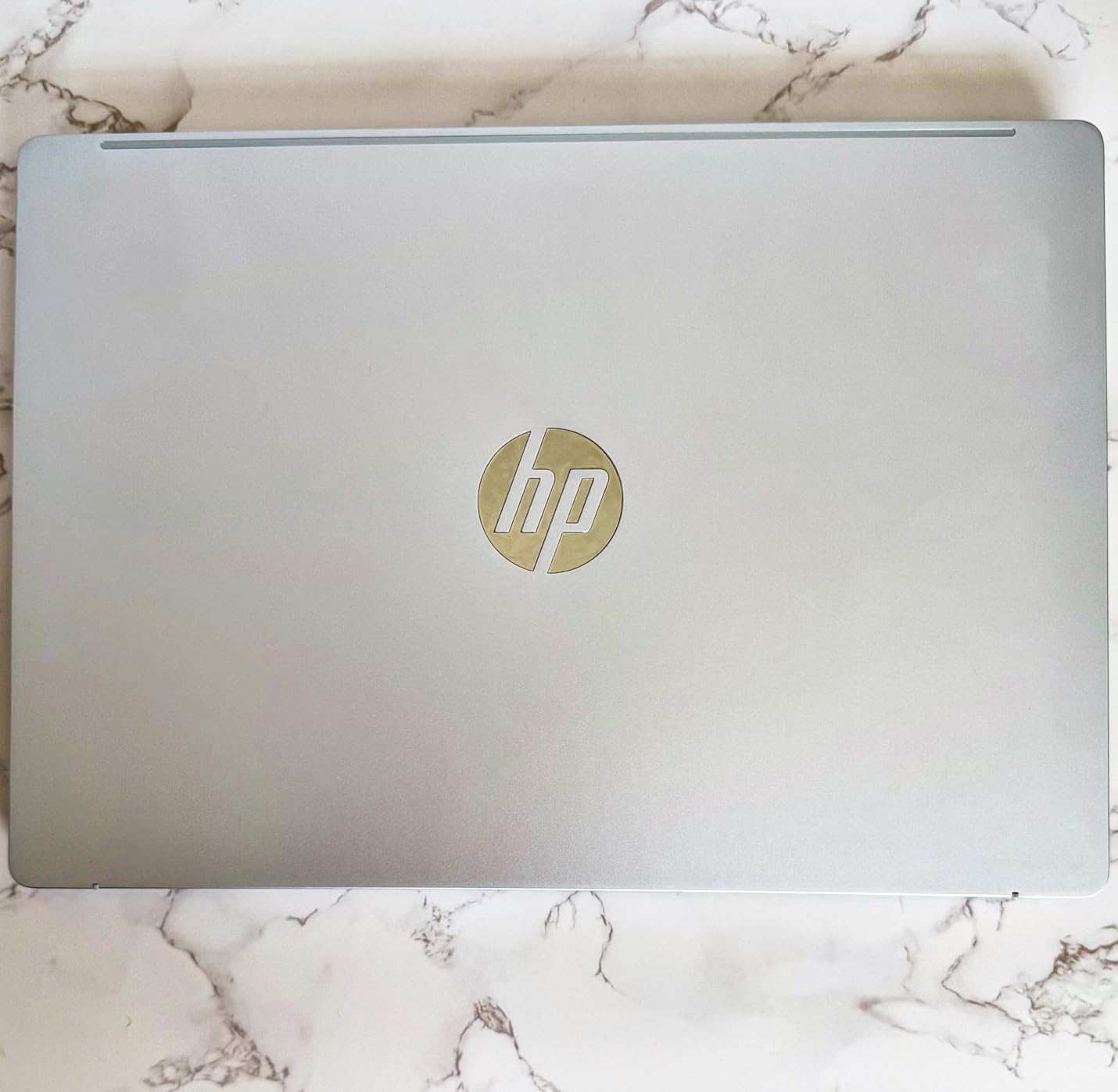
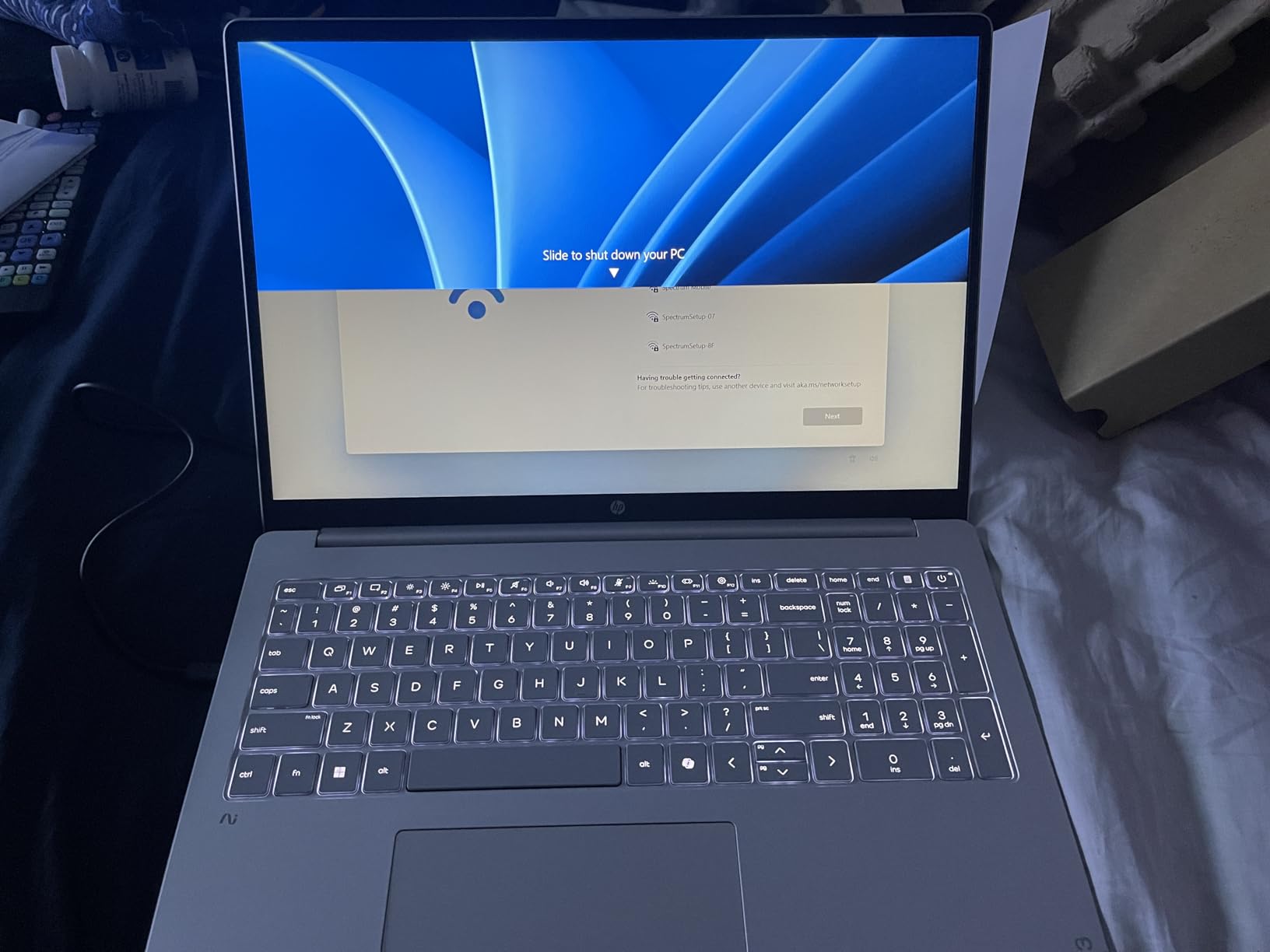
The port selection is the best argument for this laptop. Two USB-C 10Gbps with DisplayPort 1.4 and sleep-and-charge, two USB-A 5Gbps, HDMI 2.1, and a headphone and microphone combo. Add a full-size backlit keyboard with a numeric keypad, a 1080p IR camera with HDR auto-switch, and an HP Imagepad touchpad, and this is a machine built for a desk as much as a bag.
It is also the only pick in the guide carrying EPEAT Silver Climate+ registration and ENERGY STAR certification, which matters if sustainability is part of your purchasing criteria or your employer’s policy.
What you get that a MacBook Air does not?
The full-size keyboard with a numeric keypad is the standout. Anyone who types numbers regularly will find the 16-inch layout far more comfortable, and a backlit keyboard at this specification level is not a given. The port array, including two USB-A ports, removes the adapter problem entirely.
Wi-Fi 6 with a MediaTek MT7920 card and Bluetooth 5.4 round out a connectivity package that is unremarkable on paper and completely adequate in practice.
Where it falls short of the Air?
The screen is the clear compromise. A 1920 x 1200 IPS micro-edge panel at 300 nits with 62.5 percent sRGB coverage is a step down from the 3K AMOLED panels on the Galaxy Book4 Pro and the Yoga Slim 7X, and it is the first thing you will notice if you have been using a Retina-class display.
Radeon 840M integrated graphics handle everyday work and hardware-accelerated video encoding without trouble, but they are not a gaming or 3D-rendering solution. At 3.6 pounds this is also the heaviest machine in the guide, and the 16-inch footprint is a step up in bulk from a 13-inch Air. For most buyers the real question is whether a number pad and a big screen are worth that extra size, and the answer depends on how you work.
We earn a commission, at no additional cost to you. CERTAIN CONTENT THAT APPEARS ON THIS SITE COMES FROM AMAZON. THIS CONTENT IS PROVIDED 'AS IS' AND IS SUBJECT TO CHANGE OR REMOVAL AT ANY TIME.
5. Microsoft Surface Pro 13 OLED – The Lightest MacBook Air Alternative
Microsoft Surface Pro 2-in-1 Laptop/Tablet (2024), Windows 11 Copilot+ PC, 13″ Touchscreen OLED Display, Snapdragon X Elite (12 Core), 16GB RAM, 256GB Storage, Black, Amazon Exclusive
★★★★★★★★★★Snapdragon X Elite 12-core with NPU
13 inch PixelSense OLED at 2560 x 1600
16GB LPDDR5 and 256GB SSD
895 g detachable design
- Lightest device in the guide at 895 g with a built-in kickstand
- 1M to 1 contrast OLED panel for media and drawing
- Converts between tablet
- laptop
- and sketchbook modes
- About 14 hours stated battery
- Keyboard cover sold separately and needed for a real laptop experience
- Only 256GB of storage with no microSD slot
- 60Hz panel trails the 120Hz screens elsewhere here
At 895 grams this is the lightest device in the guide by a wide margin, and it reaches that weight by removing the keyboard from the equation entirely. The 13-inch PixelSense OLED panel resolves to 2560 x 1600 with a 1 million-to-1 contrast ratio, and it runs on a Snapdragon X Elite 12-core Copilot+ processor with 16GB of LPDDR5 memory and a 256GB SSD.
The detachable design is the point. The built-in kickstand holds the tablet at a workable angle, and the device moves between being a laptop, a tablet, and a sketchbook without anyone deciding which one it is that day. For an illustrator, that flexibility is genuinely hard to replicate in a conventional clamshell.
Owners rate it 4.2 stars across 197 reviews, with about 70 percent giving five stars. The enthusiasm centers on the display and the portability, and the most common complaint by far is about the keyboard, which leads directly to the section below.
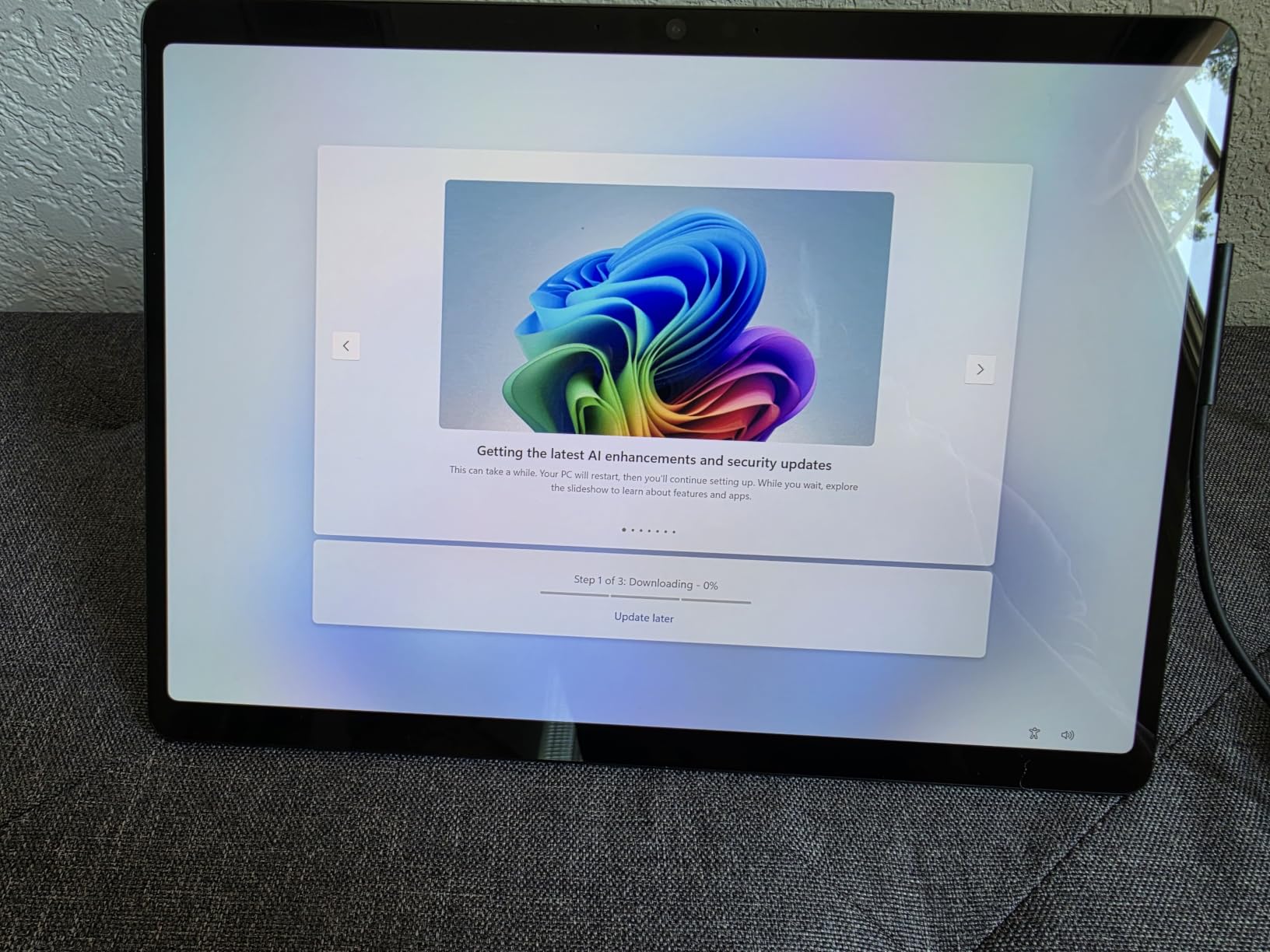
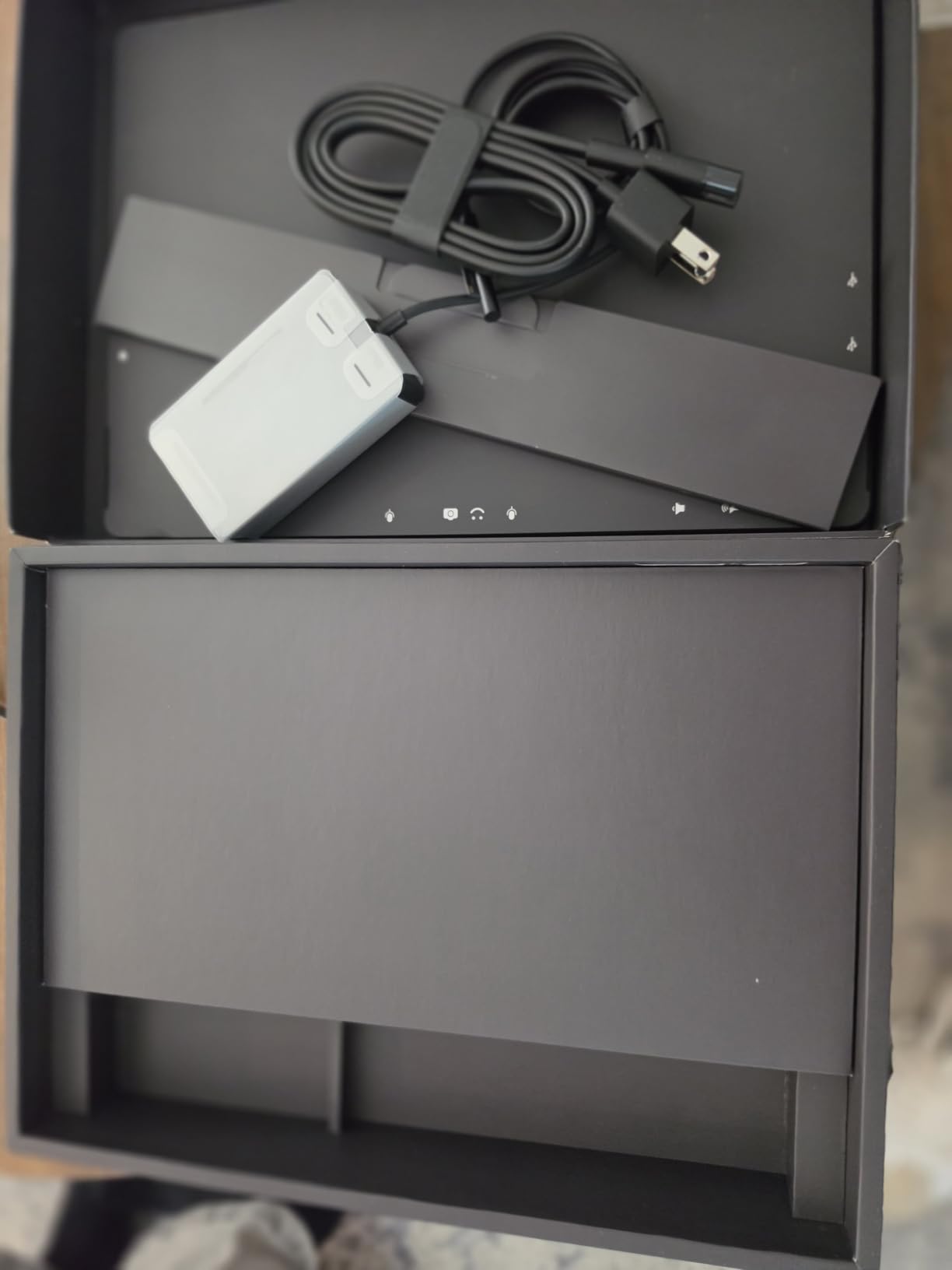
Microsoft states up to 14 hours of battery on a 47.67 watt-hour cell, with 65W fast charging through Surface Connect or USB-C. The device includes the power supply, a quick start guide, and warranty documents, in Black, with Sapphire, Platinum, and Dune also available in LCD or OLED panel options.
This is the only pick in the guide that is a tablet first and a laptop second, and that framing matters for how you read the rest of the specification. It is the right answer for a specific person and the wrong answer for everyone else.
What you get that a MacBook Air does not?
The 2-in-1 convertible is the obvious one, and no MacBook offers anything close. Beyond that, the 1M-to-1 contrast OLED panel is genuinely better for watching video and drawing than most laptop LCDs, and the option of a Surface Pen turns the screen into a drawing surface at a moment’s notice.
The kickstand means the device stands up on its own for video calls or reference material while you type on the accessory keyboard, which is a genuinely useful mode that a laptop cannot replicate.
Where it falls short of the Air?
The Surface Pro Flex Keyboard is sold separately, and many owners consider it a requirement before the device functions as a laptop rather than an expensive tablet. Add that cost to the purchase and you are comparing a two-piece setup against a single clamshell, which changes the value calculation substantially.
There is also a single USB-C port, 256GB of storage with no microSD slot to expand it, and a 60Hz refresh rate that is visibly less smooth than the 120Hz panels on the Surface Laptop and the Galaxy Book4 Pro. Older desktop applications and some peripherals have limited compatibility on the ARM platform, so check your software list first.
We earn a commission, at no additional cost to you. CERTAIN CONTENT THAT APPEARS ON THIS SITE COMES FROM AMAZON. THIS CONTENT IS PROVIDED 'AS IS' AND IS SUBJECT TO CHANGE OR REMOVAL AT ANY TIME.
6. HP Envy x360 14 – The Best Budget MacBook Air Alternative
HP Envy x360 2-in-1 14″ FHD Touchscreen Laptop, Intel i7-1355U, 16GB RAM, 1TB SSD, Backlit Keyboard, 5MP Camera, Fingerprint Reader, Wi-Fi 6E, Win 11, Silver
★★★★★★★★★★Intel Core i7-1355U 10-core with Iris Xe
16GB DDR4 and 1TB PCIe SSD with open M.2 slot
14 inch FHD IPS touchscreen with 360-degree hinge
3.35 pounds with fingerprint reader
- 16GB RAM and a 1TB SSD
- the best specification-per-dollar in the guide
- 360-degree hinge converts it into a tablet
- Fingerprint reader and backlit keyboard at this price
- Good port selection including HDMI 2.1 and microSD
- FHD 1920 x 1080 panel at 250 nits is the dimmest here
- Reports of audio problems
- crashes
- and instability on some units
- 13th gen Intel and DDR4 memory trail current Copilot+ chips
Spec for spec, this is the value pick. Sixteen gigabytes of DDR4 memory paired with a 1TB PCIe SSD, with a 13th-generation Intel Core i7-1355U 10-core processor and Iris Xe integrated graphics, is a configuration that would have cost meaningfully more two years ago. That memory and storage pairing is the single strongest argument for this machine, and reviewers consistently single it out.
The 360-degree hinge folds the 14-inch IPS touchscreen into a tablet, which is the same flexibility people want from a 2-in-1 without the detachable design’s two-piece cost. At 3.35 pounds it is light enough to carry every day, and 0.75 inches thick it stays within the Air’s envelope.
Two features you rarely find at this price level are a backlit keyboard and a fingerprint reader, and the 5MP IR camera with an 88-degree field of view is a genuine upgrade for video calls over a typical 720p laptop webcam. Bang and Olufsen tuned dual speakers are fitted as well, though owners report audio problems and playback glitches on some units.
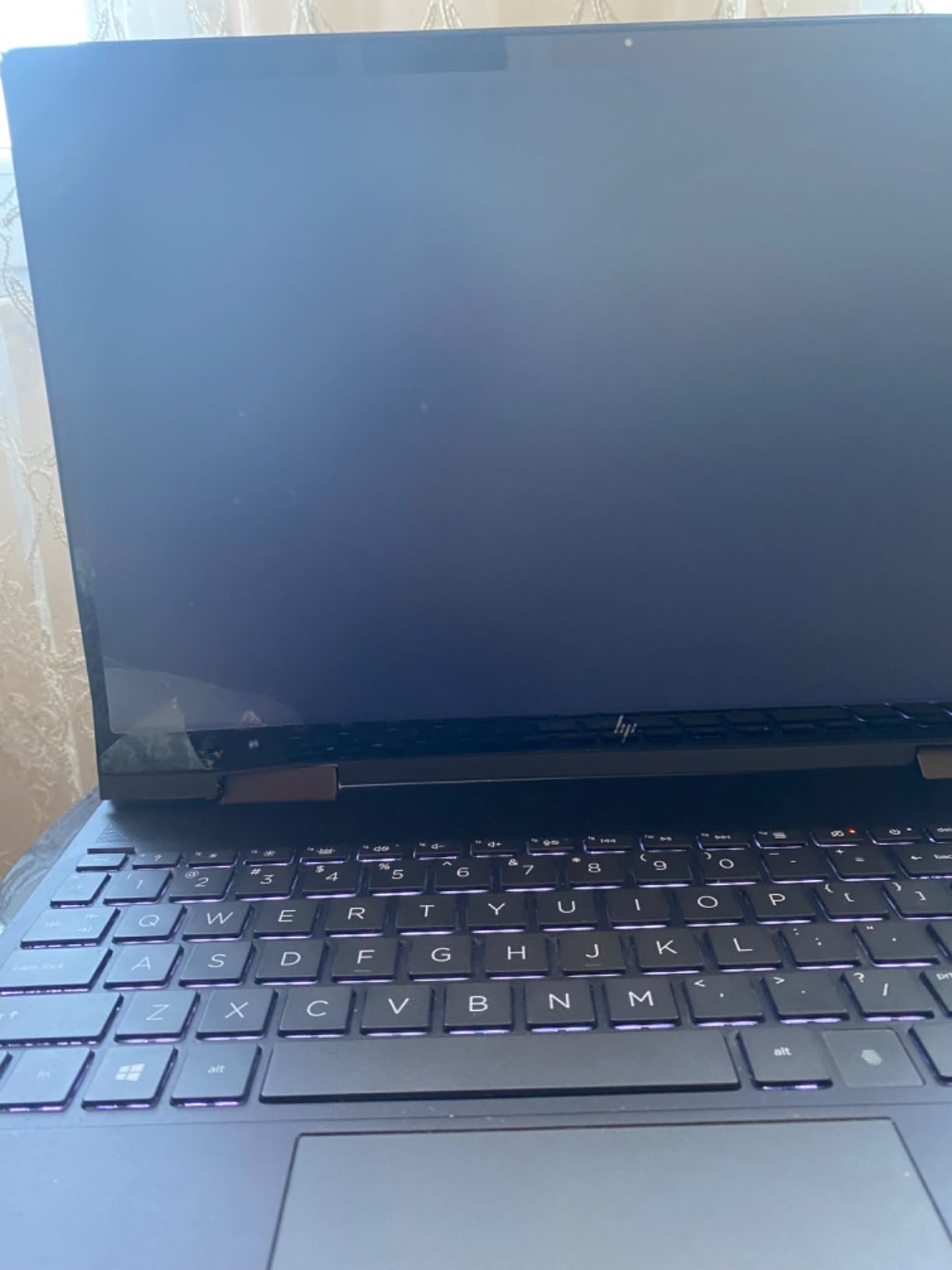
Connectivity is where the value really shows. Two USB-A 3.0 ports, one USB-C 3.2, HDMI 2.1, a headphone jack, and a microSD card reader. That is more legacy-friendly than any other pick in this guide, and for a first-time laptop buyer moving from an older machine with a drawer full of USB-A peripherals, it removes the most common friction point.
Wi-Fi 6E and Bluetooth 5.3 are current-generation, and there is one open M.2 slot for expansion later. The 4.1-star average across 141 reviews sits at the bottom of this group, with a higher share of one-star ratings than the machines above it, and the reasons are specific rather than general.
What you get that a MacBook Air does not?
The 2-in-1 hinge, the touchscreen, the backlit keyboard, the fingerprint reader, and the port selection including HDMI 2.1, USB-A, and a microSD reader. No MacBook offers any of those, and taken together they explain why this machine appeals to buyers who want more hardware for their money.
The open M.2 slot also means the storage is upgradeable, which answers the repairability complaint that comes up constantly in MacBook Air discussions.
Where it falls short of the Air?
The display is the biggest gap: 1920 x 1080 at 250 nits with anti-glare is the dimmest and lowest-resolution screen in this guide. If your current laptop has a high-resolution panel, the step down will be noticeable every day.
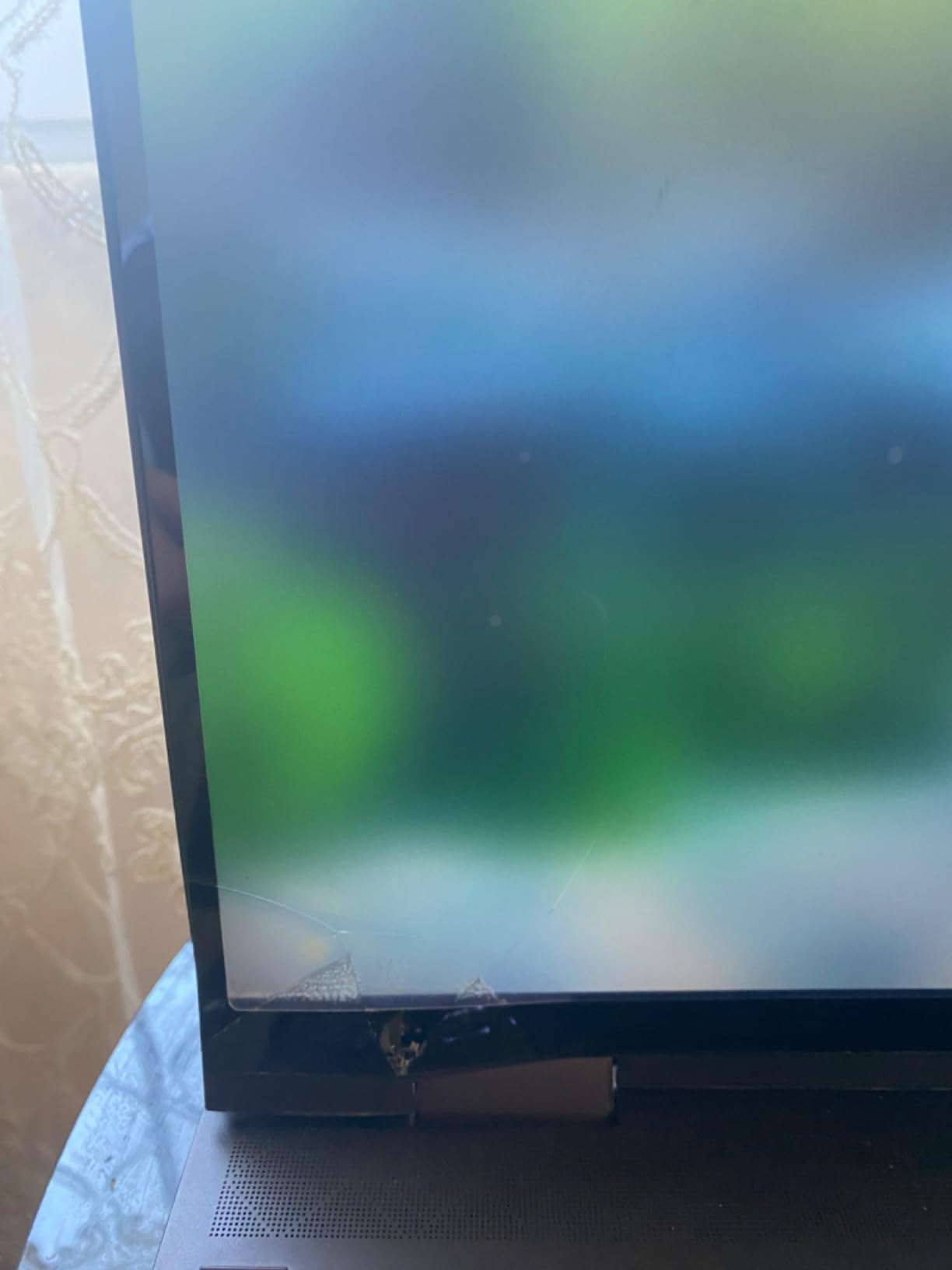
Underneath, the 13th-generation Core i7 and DDR4 memory are a generation behind the Copilot+ chips in the other five picks, and the 45 watt-hour battery is listed at 12 hours, the shortest stated figure in the group. There are also reported system crashes and instability on some units, and some first-time users found the initial Windows setup process unintuitive. A 15 percent share of one-star reviews is high enough that we would keep a close eye on the return window.
We earn a commission, at no additional cost to you. CERTAIN CONTENT THAT APPEARS ON THIS SITE COMES FROM AMAZON. THIS CONTENT IS PROVIDED 'AS IS' AND IS SUBJECT TO CHANGE OR REMOVAL AT ANY TIME.
Why People Look Beyond the MacBook Air?
The Air is an excellent laptop, so the reasons people walk away from it are specific rather than general. Understanding them is the fastest way to work out which of these six machines actually fits, and which problem you are really trying to solve.
Price. The Air occupies a price tier that puts it out of reach for student budgets, and the most common forum question in this category is a simple one: what is the cheapest machine that does the same job. That is why two of our six picks are here primarily on value. It is the same substitution logic we use in every value-driven guide we publish, from our picks for the best Peloton alternatives to the budget picks in this list.
Memory and storage are fixed. The Air’s memory is soldered and its storage is not user-replaceable. If you want a machine you can add storage to in three years, the Galaxy Book4 Pro and the Envy x360 both offer an open M.2 slot.
No touch, no convertible, no stylus. Apple has never shipped a touchscreen MacBook. For illustrators, students, and anyone who draws, that is not a preference, it is a capability gap. Every pick in this guide has a touchscreen, and two fold into tablets.
Port selection. Two Thunderbolt ports is the entire selection on an Air. If you use legacy USB-A peripherals, an external display, or an SD card regularly, that becomes a daily friction point and a docking-station line item.
What a MacBook Air Alternative Has to Beat?
The most common question in this category is simply: what is comparable to a MacBook Air? The answer depends on which Air you are replacing, and the screen size is the first fork in the road. Apple sells 13.6-inch and 15-inch models, and those map onto different Windows machines.
Replacing a 13.6-inch Air: the Surface Laptop 13.8 and the Envy x360 14 are the direct size matches. Both are within a few tenths of an inch of the Air’s footprint, and the Surface Laptop is thinner while the Envy folds into a tablet.
Replacing a 13.6-inch Air with a better screen: the Yoga Slim 7X at 14.5 inches resolves to 3024 x 1964, which is a step up in sharpness from anything Apple ships in this class.
Replacing a 15-inch Air: the Galaxy Book4 Pro and the OmniBook 3 are both 16-inch machines. The Galaxy Book4 Pro is the one for color-critical work, with 3K AMOLED; the OmniBook 3 is the one for keyboard comfort, ports, and stated battery runtime.
Replacing a 15-inch Air with maximum portability: the Surface Pro 13 goes the other direction entirely at 895 g, though as a tablet with an optional keyboard rather than a laptop.
On weight, the spread across this list runs from 895 g for the Surface Pro to 3.6 pounds for the OmniBook 3. Apple’s 13-inch Air sits in roughly the same band as the Surface Laptop and the Envy x360, so if weight is your hard constraint, those two are the closest matches.
Switching From macOS to Windows: What Breaks and What Doesn’t?
This is the objection that comes up most often in buyer forums and the one almost no competitor page addresses, so we want to be direct about it. Moving from macOS to Windows is a real change, but most of what people worry about does not materialize.
What does not break. Adobe Photoshop, Illustrator, Lightroom, Premiere, and After Effects all run natively on Windows, and they are, if anything, the better-supported platform for third-party plug-ins. Microsoft Office, Slack, Spotify, Chrome, Zoom, and every major browser behave identically. USB-C and USB-A peripherals work the same way.
What changes. Keyboard shortcuts move, window management behaves differently, and Mac-exclusive software simply does not exist on Windows. If you rely on Final Cut Pro, Logic Pro, or Pages and Numbers specifically, no laptop on this page solves that. The iCloud ecosystem, AirDrop, and iPhone mirroring have no direct Windows answer, though third-party tools cover parts of it.
What to check before you switch. If you own specialized hardware, drivers, or software, verify compatibility first. On the two Arm-based Snapdragon machines in this guide, the long tail of older desktop software is where problems appear. If your workflow is browser-based, Office, or Adobe-standard, the switch is largely uneventful.
One practical note on migration: keep your existing Mac until the new machine is set up and your files are migrated. Buy the accessory you need rather than the bare device if a tablet-plus-keyboard is a two-part purchase, and give yourself a month before selling anything.
How to Choose a MacBook Air Alternative?
We evaluate these machines in a fixed order, and you should too. Work down this list and the right pick usually becomes obvious before you reach the price.
1. Screen size and resolution first. Decide between a 13-to-14-inch machine you carry everywhere and a 16-inch machine you use at a desk. Then look at resolution and brightness, not just the number. A 1920 x 1200 panel at 300 nits is a different experience from a 3K AMOLED at 600 nits, and the gap is obvious side by side.
2. Battery, with skepticism. Manufacturer figures are maximums measured under light loads. Rank by the numbers but assume 20 to 30 percent less in real use, and pay attention to the watt-hour capacity behind them. Fast charging matters more than people credit: a machine that reaches 50 percent in 45 minutes is far less stressful to own than one that needs two hours to recover.
3. Weight before anything else. If you commute daily, weight is not a preference. Every pick here is between 895 g and 3.6 pounds, which is a wider spread than the specifications suggest. The 13-inch-class machines cluster between 2.82 and 3.35 pounds; the 16-inch machines sit at 3.44 and 3.6.
4. The processor, in plain language. You do not need benchmark numbers. You need to know there are three families here. Intel Core Ultra chips such as the 155H in the Galaxy Book4 Pro run the full x86 software library with no compatibility caveats. AMD Ryzen AI chips sit in the same boat with strong battery behavior. Qualcomm Snapdragon X chips are Arm-based, which brings better efficiency and the NPU, along with a longer tail of software that needs checking. If you are not certain about your software, the x86 options are the lower-risk choice.
5. Memory: 16GB is the floor. This is the single most important specification on the page. Current thin-and-light laptops still ship with 8GB in some configurations, and 8GB is not enough for heavy browser use, large photo libraries, or a multi-year ownership horizon. Every pick here has 16GB. There is no pick here with 8GB, and we would decline any 8GB machine regardless of the rest of the sheet.
6. Storage, and whether you can add more. 512GB is the practical minimum in 2026. Beyond that, ask whether the machine has an open M.2 slot. Two picks here do, which makes them meaningfully more future-proof than the rest.
7. Ports, against your actual desk. Count what you plug in. If it is a monitor, a wired keyboard, and a wired mouse, three USB-C ports plus DisplayPort output will serve you. If you still use USB-A flash drives or a camera, prioritize the OmniBook 3 or the Envy x360, which have two USB-A ports each.
8. Operating system longevity. Buyers who want five or more years of service should buy current-generation silicon with 16GB, not the newest display. Windows 11 support timelines mean a machine bought this year has more runway than one bought three years ago, which is part of why the older Envy x360 sits at the bottom of this list despite its strong specification.
What to stay away from. Skip any laptop with 8GB of memory. Be cautious of panels under 300 nits or below full HD, since a dim screen is the complaint owners cannot work around. Treat soldered memory as a permanent decision rather than a temporary one. Watch for review samples with a high share of one-star ratings, which usually signals a hardware fault or a weak support experience rather than a dislike. And check for weight inconsistencies in the listing, which we found on one machine in this roundup.
One last piece of practical planning. Laptop refreshes tend to be batched with other household upgrades, so if you are replacing more than one thing at once, our best air tools, best air mattresses, and best air scrubbers roundups cover the other purchases people research in the same sitting.
When the MacBook Air Is Still the Right Call?
We would not be doing you a service if we only wrote the other half of this. Some of you should buy the Air, and here is the honest version of why.
If your work depends on Mac-only software, no alternative here solves it. If you have an iPhone, an iPad, and a Mac already, the ecosystem integration is real and it is not replicated. If you want the longest possible ownership with the least configuration risk, Apple’s silicon and macOS combination is still the most efficient match of hardware and software available, and the 15-inch Air’s battery life is unmatched by the 16-inch machines on this page.
There is also value in buying the thing you already know. A Windows first-time buyer is more likely to hit a settings problem, a driver issue, or an unfamiliar recovery mode in the first month than a Mac owner is. If you are not sure which platform you want to live in, that friction is a legitimate reason to stay where you are.
Frequently Asked Questions
What laptop is comparable to a MacBook Air?
The Microsoft Surface Laptop 13.8 is the closest overall match: 3 pounds, 0.69 inches thick, a 13.8-inch 120Hz touchscreen, and up to 20 hours of stated battery life. For a 15-inch Air, the Samsung Galaxy Book4 Pro 16 or the HP OmniBook 3 16 are the size equivalents, and the Lenovo Yoga Slim 7X at 2.82 pounds is the closest match to a 13.6-inch Air in pure portability.
What is the best Windows laptop competitor to the MacBook Air?
The Microsoft Surface Laptop 13.8 takes the overall spot. It pairs a 0.69-inch chassis with the highest volume of owner feedback at 4.4 stars across 343 reviews, a 120Hz touchscreen, and up to 20 hours of stated battery life. The HP OmniBook 3 16 has a higher raw rating at 4.8, but that comes from only 25 reviews, so we treat it as the less proven pick.
Is Mac or Windows better right now?
For most productivity work the two are close. Windows gives you touchscreens, 2-in-1 convertibles, stylus support, more ports, and cheaper memory and storage configurations, while macOS gives you better battery efficiency, stronger audio, longer support on current hardware, and far tighter integration with iPhone and iPad. Choose Windows if you want the hardware options and value, and choose macOS if your software or devices lock you in.
Which laptop is the most future-proof?
Future-proofing depends more on memory and silicon generation than on the display. Every pick in this guide has 16GB, which is the practical floor for a five-year ownership horizon. The Samsung Galaxy Book4 Pro and the HP Envy x360 both have an open M.2 storage slot, so they can be expanded later, and the Galaxy Book4 Pro runs a current Intel Core Ultra 7 with a full x86 software library.
What laptop should you stay away from?
Avoid any laptop shipping with 8GB of memory, and be cautious of panels below 300 nits or lower than full HD resolution. Treat soldered memory as a permanent choice rather than a temporary one. On this list specifically, the HP Envy x360 carries the highest share of one-star ratings at 15 percent, so we would use the return window carefully, and the HP OmniBook 3 has a dim 300 nit screen despite its strong battery specification.
The Verdict
The Microsoft Surface Laptop 13.8 is our pick for the best MacBook Air alternative in 2026. At 3 pounds and 0.69 inches it matches the Air’s core promise, its 4.4-star rating rests on 343 real owner reviews, and the 120Hz touchscreen is a capability Apple does not offer at all. If you want more screen, the Galaxy Book4 Pro 16 handles creative work with an upgradeable drive, and the OmniBook 3 16 wins on ports and stated runtime.
If you are still undecided, the honest test is simple. If you want Apple’s ecosystem, buy the Air. If you want touch, ports, memory you can add later, and more machine for the money, any of the six above will serve you well, and the Surface Laptop is where we would start.