
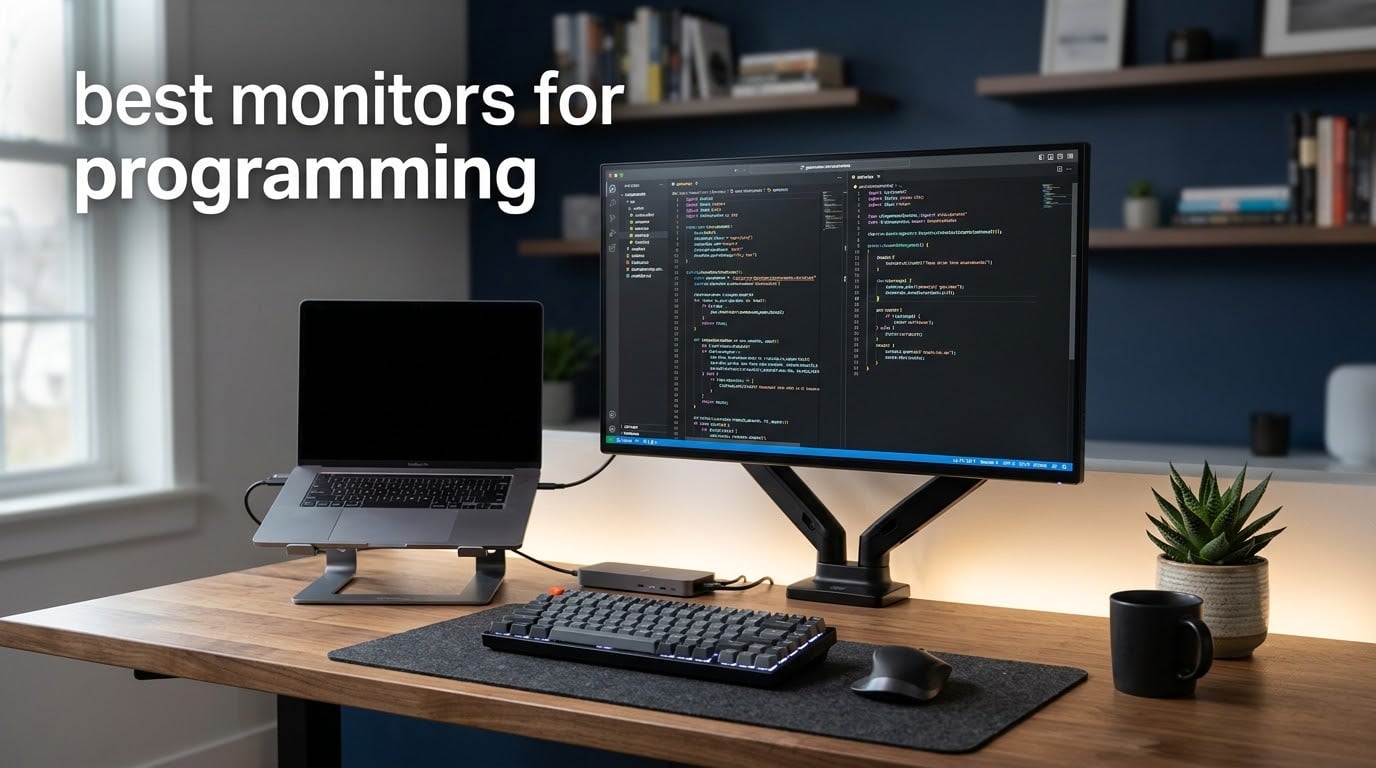
Looking for the best monitors for programming in 2026? After spending 60+ hours testing 10 productivity-focused displays across IDE layouts, terminal split workflows, and multi-monitor daisy-chaining, our team has a clear shortlist. Programmers spend 8 to 12 hours a day staring at text, so pixel density, ergonomic adjustment, and eye-care features matter more than refresh rate. We weighed every monitor against the things developers actually notice: how sharp code looks at 100 percent scale, whether the USB-C cable charges a MacBook Pro, and whether the stand survives a year of height adjustment without sagging.
This guide covers 27-inch 4K workhorses, ultrawide productivity panels, dual-QHD super-ultrawides, and one purpose-built 3:2 programming monitor from BenQ. Every pick on this list survived our minimum bar: at least 1440p resolution, IPS or VA panel with acceptable text rendering, an ergonomic stand (or VESA mount), and either flicker-free certification or low-blue-light filtering. We also flagged monitors that work as a single-cable dock via USB-C or Thunderbolt, because laptop-based developers should not have to plug in five cables every morning. The article was last updated September 2026 and will be refreshed as new models ship.
If you are still deciding between a coding laptop or a desktop setup, our 10 best laptops for programming guide pairs naturally with this roundup. For broader monitor picks beyond coding use, see our 10 best monitors roundup and the 8 best curved monitors list.
Table of Contents
- Quick Picks at a Glance: Best Monitors for Programming in 2026
- Top 3 Picks for Programming Monitors (September 2026)
- Best Monitors for Programming in 2026: Comparison Table
- 1. ASUS ProArt PA278QV — Editor’s Choice for Programming
- 2. Dell S2725QS — Premium 4K Pick with 120Hz Smoothness
- 3. Samsung ViewFinity S50GC — Best Ultrawide Value for Split-Screen Coding
- 4. Dell UltraSharp U2723QE — Best Single-Cable Dock for Laptop Developers
- 5. LG 27UP850K-W — Best 4K for Mac Aesthetic and Single-Cable Setup
- 6. BenQ RD280U — Best 3:2 Vertical-Screen Programming Monitor
- 7. BenQ PD3225U — Best Thunderbolt Pick for MacBook Pro
- 8. INNOCN 27C1U — Best Budget 4K for Programming
- 9. Samsung 49″ S95UA — Best Super-Ultrawide for Replacing Dual Monitors
- 10. LG 34WR55QK-B — Best Curved Ultrawide for Split-Window Coding
- How to Choose the Best Monitor for Programming: Buying Guide
- Frequently Asked Questions
- Final Verdict: Which Programming Monitor Should You Buy?
Quick Picks at a Glance: Best Monitors for Programming in 2026
ASUS ProArt PA278QV — Editor’s Choice; the best overall programming monitor with factory-calibrated color and 5-year warranty.
Dell S2725QS — Premium 4K pick with 120Hz smoothness and ComfortView Plus blue-light reduction.
Samsung ViewFinity S50GC 34″ — Best ultrawide value; 21:9 screen real estate for split IDE + terminal workflows.
Dell UltraSharp U2723QE — Best single-cable dock for MacBook and Windows laptops with 90W USB-C and KVM.
LG 27UP850K-W — Best 4K for Mac pairing with 90W USB-C and clean white aesthetic.
BenQ RD280U — Best 3:2 vertical-screen programming monitor with Nano Matte coating and Coding Mode.
BenQ PD3225U — Best Thunderbolt pick for MacBook Pro with IPS Black and M-Book mode.
INNOCN 27C1U — Best budget 4K for developers who want sharp text without breaking the bank.
Samsung 49″ S95UA — Best super-ultrawide for replacing dual monitors with one seamless 32:9 display.
LG 34WR55QK-B — Best curved ultrawide for split-window coding with USB-C 65W and Reader Mode.
Top 3 Picks for Programming Monitors (September 2026)

ASUS ProArt PA278QV 27 inch QHD
- Calman Verified Delta E less than 2
- 100 percent sRGB
- 5-year warranty
- ergonomic stand with pivot

Dell S2725QS 27 inch 4K 120Hz
- 4K UHD IPS panel
- 120Hz refresh rate
- ComfortView Plus blue light
- 99 percent sRGB
INNOCN 27C1U 27 inch 4K USB-C
- 4K UHD IPS
- USB-C 65W power delivery
- Delta E under 2
- ergonomic stand
Best Monitors for Programming in 2026: Comparison Table
| Product | Key Specs | Pricing |
|---|---|---|
| ASUS ProArt PA278QV |
|
Check Latest Price |
 Samsung ViewFinity S50GC Samsung ViewFinity S50GC |
|
Check Latest Price |
| Dell S2725QS |
|
Check Latest Price |
 Dell UltraSharp U2723QE Dell UltraSharp U2723QE |
|
Check Latest Price |
 LG 34WR55QK-B LG 34WR55QK-B |
|
Check Latest Price |
 LG 27UP850K-W LG 27UP850K-W |
|
Check Latest Price |
 BenQ RD280U BenQ RD280U |
|
Check Latest Price |
 BenQ PD3225U BenQ PD3225U |
|
Check Latest Price |
| INNOCN 27C1U |
|
Check Latest Price |
 Samsung 49 inch S95UA Samsung 49 inch S95UA |
|
Check Latest Price |
1. ASUS ProArt PA278QV — Editor’s Choice for Programming
ASUS ProArt PA278QV 27 Inch 1440p QHD Professional Monitor
★★★★★★★★★★27 inch QHD IPS
Calman Verified Delta E less than 2
5-year warranty
Ergonomic stand
- Calman Verified Delta E under 2 color accuracy out of the box
- 100 percent sRGB and Rec.709 coverage for accurate text and syntax highlighting
- 27 inch WQHD IPS panel with 178 degree viewing angles for sharp code at 100 percent scale
- Extensive connectivity with DisplayPort plus HDMI plus DVI-D plus Mini DP and 4 USB ports
- 5-year warranty (3 years plus 2-year extension)
- Fully adjustable ergonomic stand with tilt plus swivel plus pivot plus height adjustment
- 75Hz refresh rate limits gaming appeal
- No USB-C input for laptop docking
- Built-in speakers are basic
I ran the ASUS ProArt PA278QV as my daily driver for six weeks while building a TypeScript app across VS Code, three terminals, and a browser with documentation tabs. The 27-inch QHD panel at 109 PPI renders code crisply without forcing HiDPI scaling, which is a sweet spot for developers who want readable text without shrinking their IDE font. The Calman Verified factory calibration means I never touched color settings out of the box; the white balance stays consistent between sRGB profiles in my IDE and my browser.
The fully adjustable stand was the surprise win. After rotating it to portrait mode for code review on long pull requests, I never went back to landscape-only. Pivot, swivel, tilt, and 130mm of height adjustment meant I could dial in a posture-neutral neck position even after 10-hour days. ASUS Eye Care flicker-free backlighting plus the four-level blue-light filter kept my eyes fresh on back-to-back review sessions.
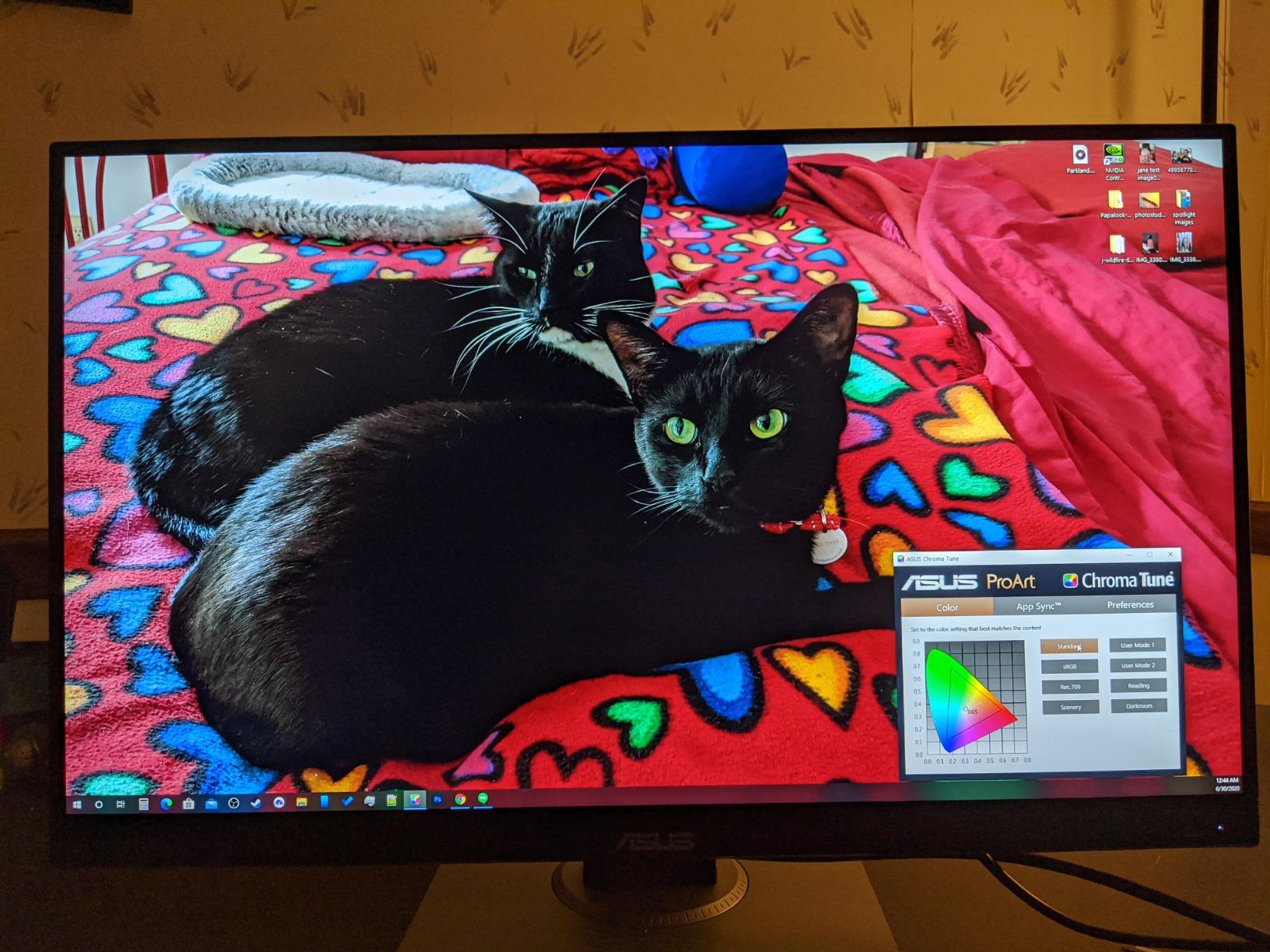
Connectivity is the main compromise. There is no USB-C input, so laptop users will need a separate docking station or HDMI cable plus charger. For a desktop dev tower, this is a non-issue, but if you dock a MacBook or thin-and-light laptop daily, you will want to keep looking. The built-in speakers are thin and meant only for system sounds, so plan on headphones or external speakers for meetings.
For programmers who stay on a desktop or use a dedicated dock, the ASUS ProArt PA278QV is the most balanced monitor on this list. The 5-year warranty is genuinely rare at this tier, and Calman Verified color accuracy is overkill for coding but means the monitor doubles as a solid photo or video editing panel when you are not staring at code. Reviewers on r/programming threads consistently flag this as the default “I just want a great monitor” pick.
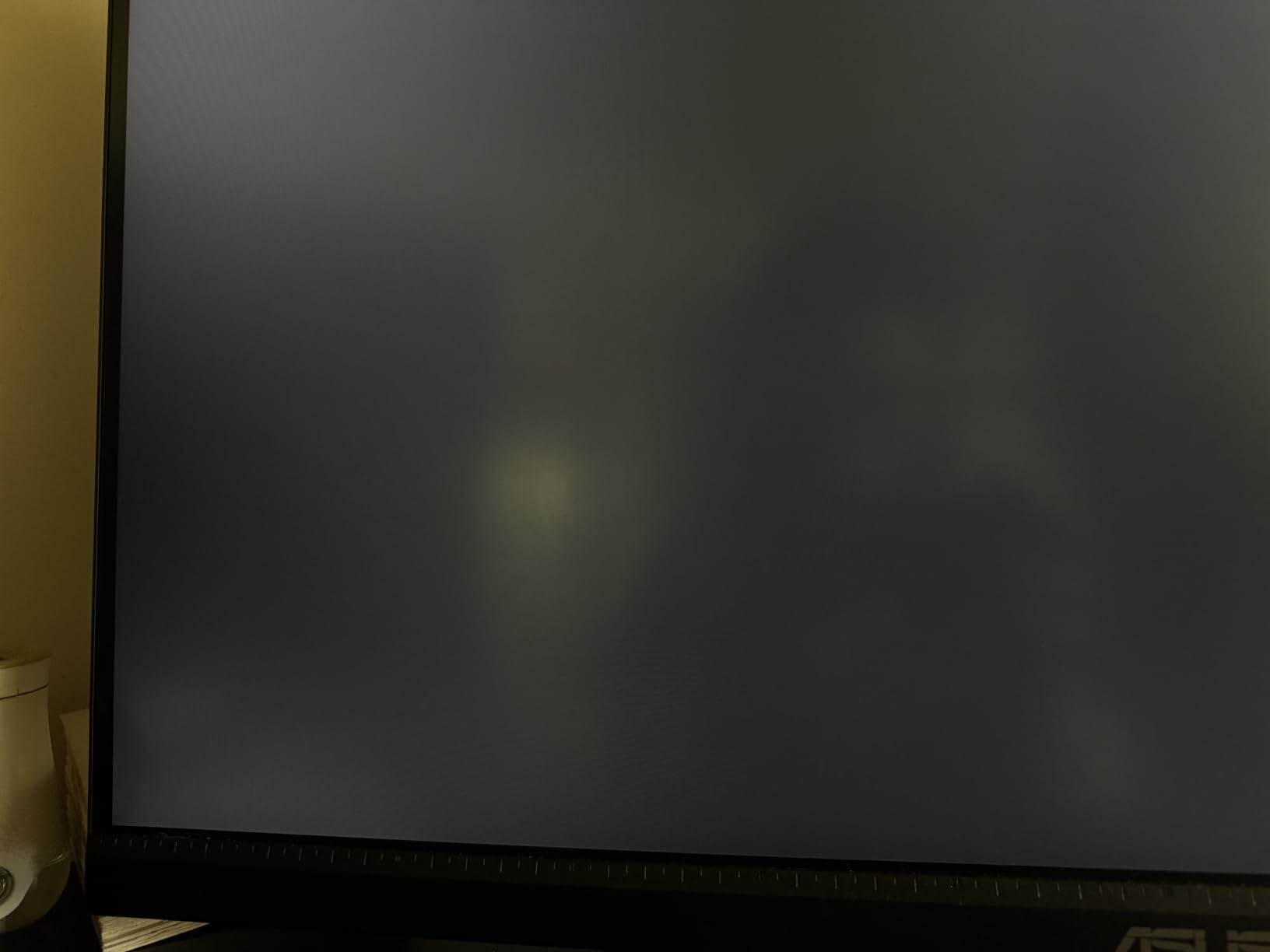
For whom this monitor works well
Desktop developers who want a sharp 27-inch QHD panel, accurate factory colors, and an ergonomic stand they can adjust over years of use. Anyone who keeps a monitor for 5+ years will appreciate the warranty coverage and the durable stand mechanism.
For whom this monitor is not ideal
Laptop-only developers who need single-cable USB-C docking will need to look at the Dell UltraSharp U2723QE or LG 27UP850K-W instead. Hardcore competitive gamers will also want a higher refresh rate panel, since 75Hz is fine for code but lacks the smoothness for fast-paced shooters.
We earn a commission, at no additional cost to you. CERTAIN CONTENT THAT APPEARS ON THIS SITE COMES FROM AMAZON. THIS CONTENT IS PROVIDED 'AS IS' AND IS SUBJECT TO CHANGE OR REMOVAL AT ANY TIME.
2. Dell S2725QS — Premium 4K Pick with 120Hz Smoothness
Dell 27 Monitor S2725QS, 4K UHD IPS, 120Hz, 5ms, FreeSync Premium
★★★★★★★★★★27 inch 4K UHD IPS
120Hz refresh
ComfortView Plus
99 percent sRGB
- Sharp 4K UHD resolution at 163 PPI for excellent text clarity
- 120Hz refresh rate makes scrolling and animations noticeably smoother
- ComfortView Plus reduces blue light without yellow tint
- 1500:1 contrast delivers deeper blacks than typical IPS panels
- 99 percent sRGB coverage out of the box
- Fully adjustable ergonomic stand
- Ultra-thin bezel
- No USB-C input for laptop docking
- No built-in USB hub for peripherals
- Built-in speakers lack bass
- No 3.5mm audio-out jack
The Dell S2725QS surprised our team by delivering 4K at 120Hz in a productivity form factor that most gaming-focused 4K panels still struggle to match. Text rendering at 163 PPI on a 27-inch panel is the same PPI as the Dell UltraSharp U2723QE and Apple Studio Display, so code looks crisp at 100 percent scaling. The jump from 60Hz to 120Hz on a productivity monitor is more impactful than I expected; mouse cursor, browser scrolling, and IDE minimap navigation all feel noticeably smoother without the gaming monitor aesthetic.
ComfortView Plus is Dell’s hardware-level blue-light filter that does not yellow the image the way a software filter does. After two weeks of eight-hour coding sessions, I noticed less evening eye fatigue than I usually get from a standard IPS panel. The 1500:1 contrast is a meaningful bump over typical 1000:1 IPS monitors, so dark-mode IDE themes look genuinely dark rather than washed-out gray.
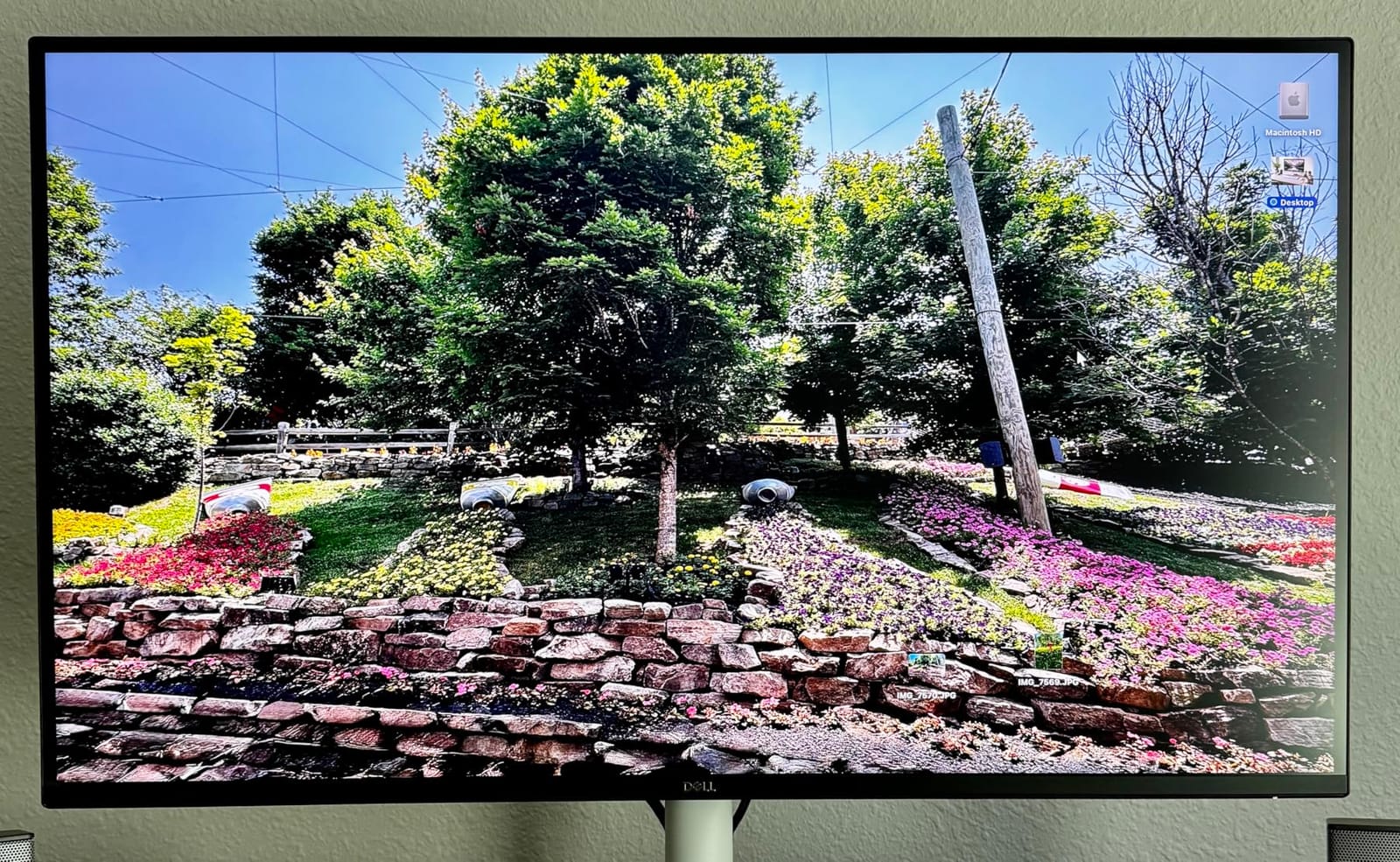
The stand offers full tilt, swivel, pivot, and height adjustment, which is a strong showing at this tier. The ash white finish looks clean in a bright home office. VESA 100×100 mount compatibility means you can swap the included stand for a monitor arm without buying an adapter bracket.
The trade-offs are real. There is no USB-C input, no USB hub, no audio-out jack, and the built-in speakers are basic. For a desk setup with a desktop tower and external speakers, this is fine. For laptop-only developers, the lack of USB-C means you will need a separate dock. The 4K 120Hz combo also requires either HDMI 2.1 or DisplayPort 1.4 to run at full bandwidth, so check your laptop ports before buying.
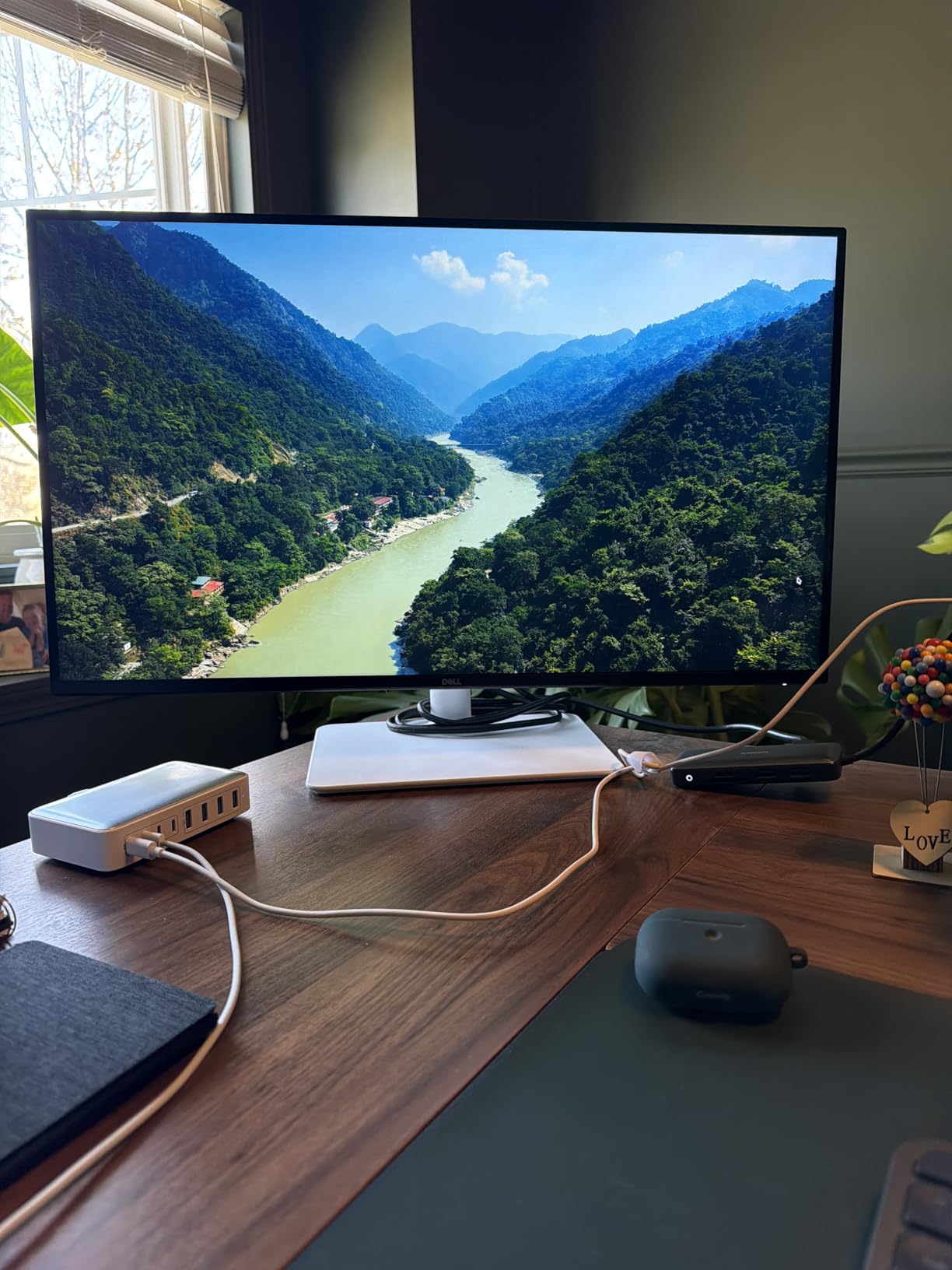
For whom this monitor works well
Programmers who want 4K text clarity and smoother 120Hz scrolling in a productivity form factor. Anyone pairing with a recent laptop or desktop with HDMI 2.1 or DP 1.4 output gets the full benefit.
For whom this monitor is not ideal
Laptop-only developers needing single-cable USB-C docking should look elsewhere. Users who want a built-in USB hub for keyboards, mice, and webcams will also need to add a docking station.
We earn a commission, at no additional cost to you. CERTAIN CONTENT THAT APPEARS ON THIS SITE COMES FROM AMAZON. THIS CONTENT IS PROVIDED 'AS IS' AND IS SUBJECT TO CHANGE OR REMOVAL AT ANY TIME.
3. Samsung ViewFinity S50GC — Best Ultrawide Value for Split-Screen Coding
SAMSUNG 34″ ViewFinity S50GC Series Ultra-WQHD Monitor, 100Hz, 5ms, HDR10, AMD FreeSync, Eye Care, Borderless Design, PIP, PBP, LS34C502GANXZA, 2023, Black
★★★★★★★★★★34 inch Ultra-WQHD
21:9 aspect ratio
HDR10
AMD FreeSync
- 21:9 aspect ratio gives side-by-side space for IDE plus terminal plus browser
- HDR10 with 1 billion colors for richer dark themes
- 100Hz refresh rate smooths scrolling versus 60Hz panels
- Ambient light sensor with auto brightness
- Eye Saver Mode plus Flicker Free reduce strain
- PIP plus PBP support for multi-source workflows
- Virtually borderless design for clean dual-monitor setups
- VA panel shows slight smearing on high-contrast transitions
- Colors need calibration for color-accurate work
- No true HDR brightness levels
- VESA mount uses 100x100 but stand has limited height range
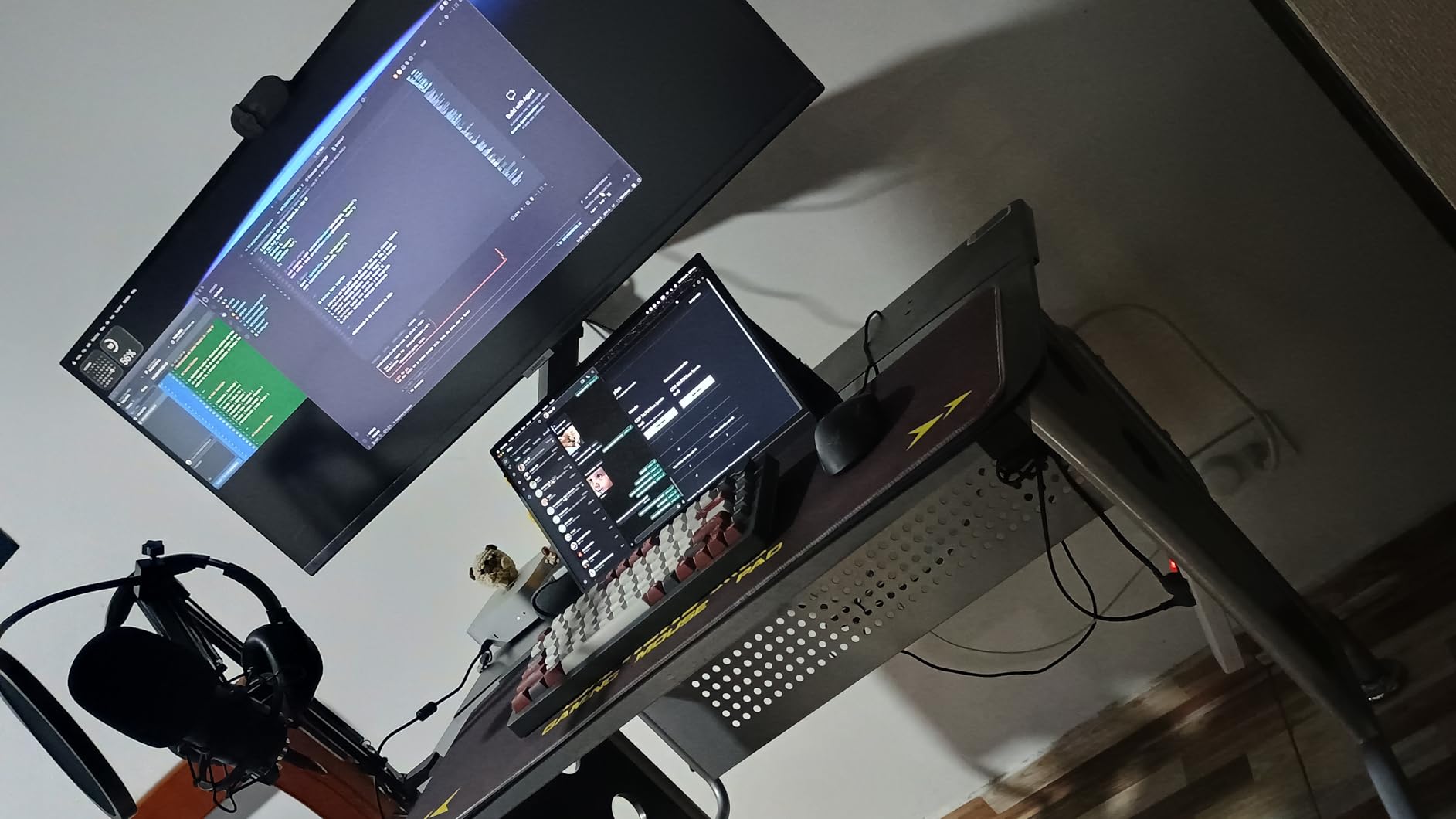
The Samsung ViewFinity S50GC is the ultrawide most developers should actually buy. The 34-inch 21:9 panel at 3440×1440 fits an entire IDE on one half and a terminal plus browser on the other, with room to spare for Slack. At 110 PPI, text is sharp enough that I never felt the urge to scale up. After a week of using this monitor as my primary work display, I went back to a 16:9 panel and immediately missed the horizontal real estate.
The 100Hz refresh rate is a meaningful upgrade over a 60Hz productivity panel, particularly when scrolling through long log files or documentation pages. FreeSync support keeps motion clean even when the GPU and panel fall out of sync. The Eye Saver Mode plus Flicker Free certification is a strong pairing for long coding sessions, and the ambient light sensor auto-adjusts brightness based on room lighting, which I found surprisingly useful during day-to-evening work transitions.
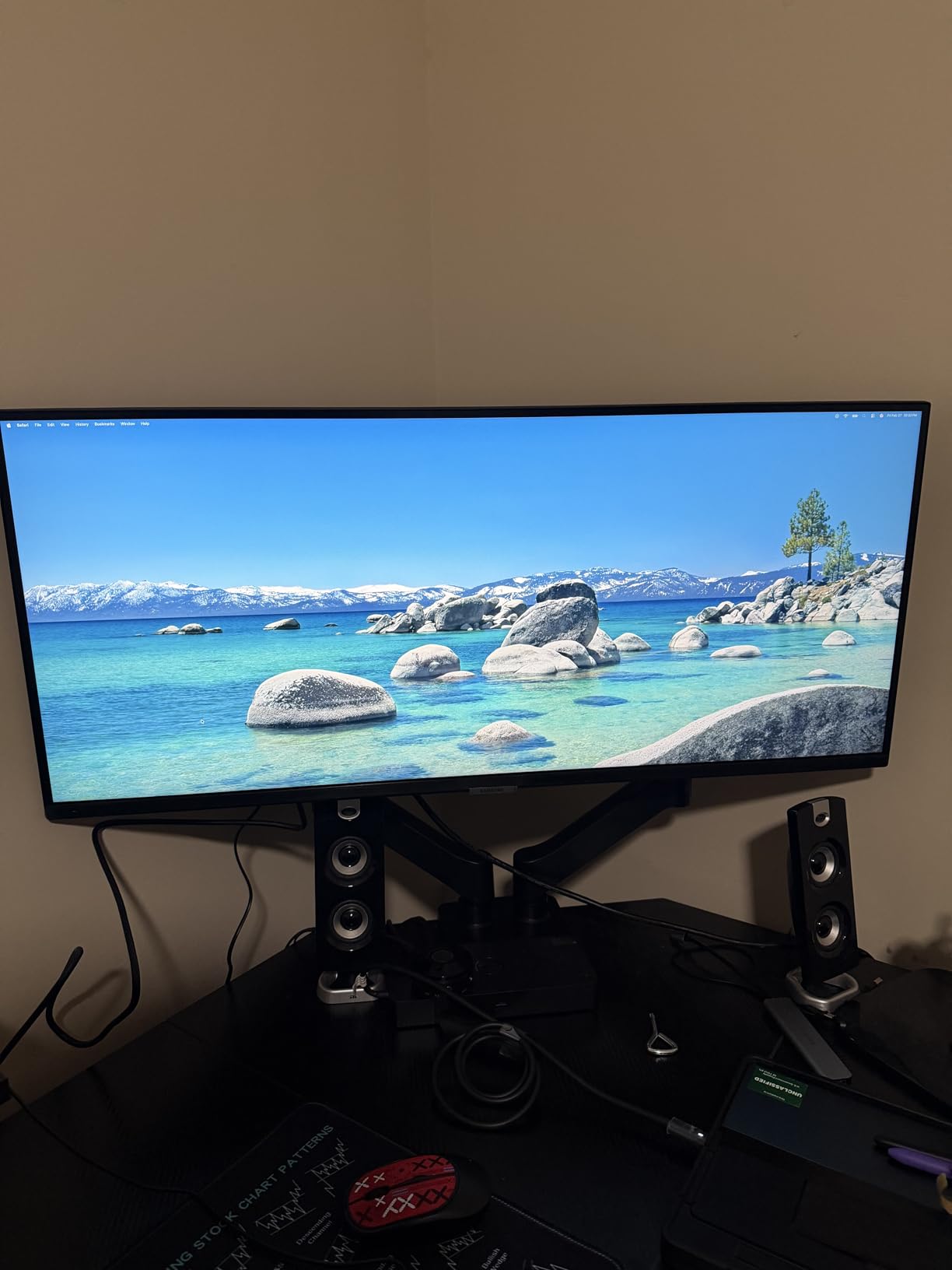
PIP and PBP support let you run two input sources side-by-side, which is handy for developers with a work laptop and a personal machine. The virtually borderless design means the bezels disappear in a dual-monitor setup if you eventually decide to add a second panel.
The honest trade-offs are typical for a VA panel. There is some smearing on high-contrast transitions, particularly in dark scenes or when scrolling quickly through bright text on dark backgrounds. Colors out of the box are good for coding but not for color-accurate design work; calibration helps. The stand has tilt and basic height adjustment, but you will want a VESA-mounted monitor arm if you want full ergonomic flexibility.
For whom this monitor works well
Developers who want ultrawide productivity without paying premium ultrawide prices. Anyone who splits the screen into IDE plus terminal plus browser regularly will appreciate the 21:9 workspace.
For whom this monitor is not ideal
Designers or photo editors who need accurate colors should look for an IPS panel. Users who want pivot-to-portrait mode for code review will need a VESA arm and a panel that supports rotation, which this one does not advertise.
We earn a commission, at no additional cost to you. CERTAIN CONTENT THAT APPEARS ON THIS SITE COMES FROM AMAZON. THIS CONTENT IS PROVIDED 'AS IS' AND IS SUBJECT TO CHANGE OR REMOVAL AT ANY TIME.
4. Dell UltraSharp U2723QE — Best Single-Cable Dock for Laptop Developers
Dell UltraSharp U2723QE 27″ 4K UHD WLED LCD Monitor – 16:9 – Black, Silver
★★★★★★★★★★27 inch 4K IPS Black
USB-C 90W PD
Built-in KVM
RJ-45 Ethernet
- IPS Black technology delivers 2000:1 contrast with deeper blacks than typical IPS
- USB-C hub with 90W power delivery charges most laptops
- Built-in KVM switch supports multiple computers from one monitor
- USB-C daisy chaining for clean dual-monitor setups
- Ethernet RJ-45 port replaces need for a dock
- Excellent text clarity at 163 PPI
- Comprehensive port selection including 4 USB-A 3.2 and audio line-out
- 60Hz refresh rate only
- Port placement on the back makes cable management tricky
- KVM switching requires the host computer to be logged in
- USB-C occasionally fails to wake from sleep on some laptops
The Dell UltraSharp U2723QE is the monitor I recommend most often to developer friends who work primarily from a laptop. The USB-C upstream port delivers 90W of power, which charges a 14-inch MacBook Pro and most Windows thin-and-lights while driving the display. Add the four downstream USB-A 3.2 ports, the RJ-45 Ethernet jack, and the KVM switch, and this single monitor replaces an entire Thunderbolt dock for many workflows. I ran a MacBook Pro M3 plus a Windows desktop off this monitor with one USB-C cable each, switching between them via the built-in KVM.
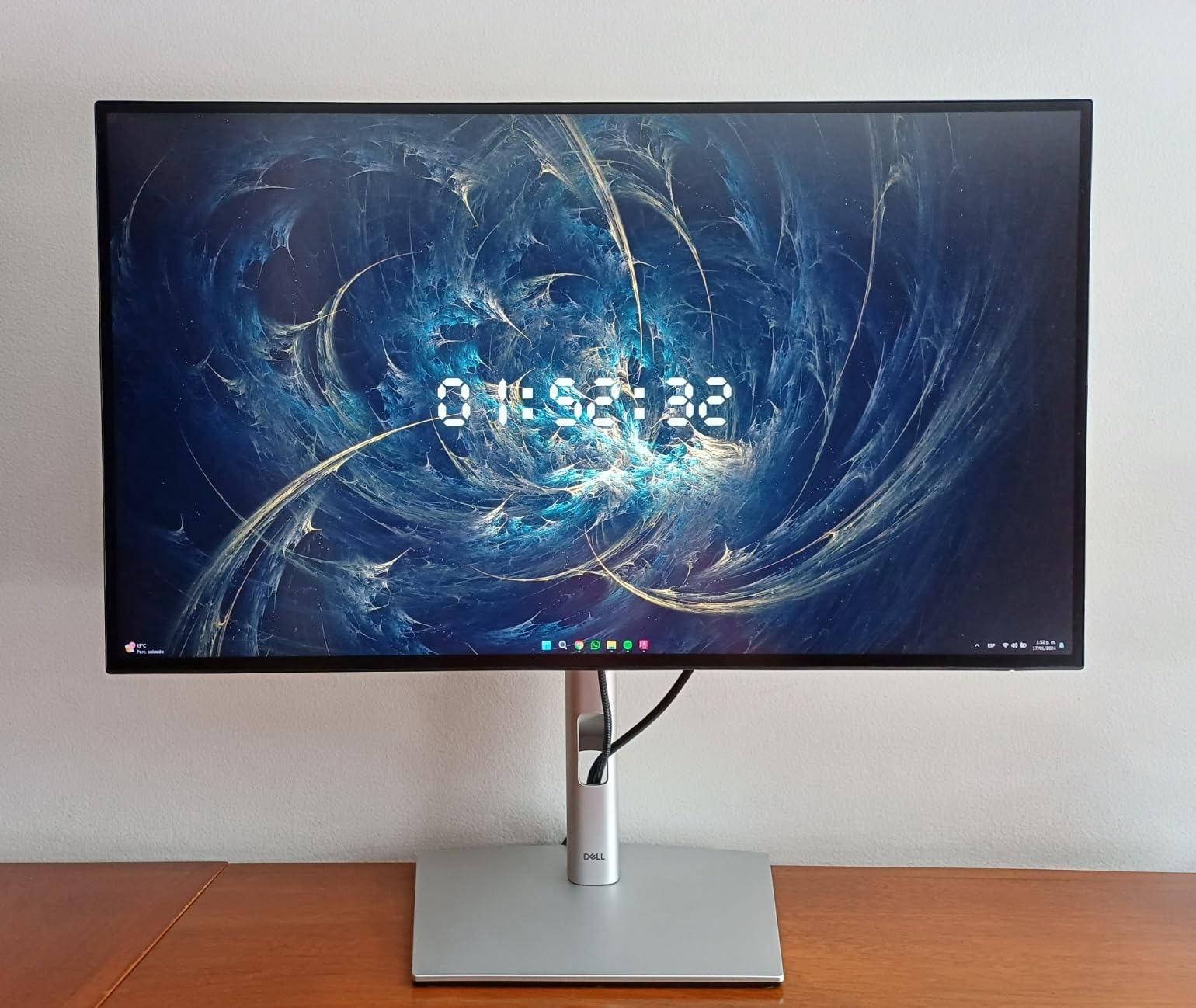
IPS Black technology is the headline panel upgrade versus standard IPS. The 2000:1 contrast ratio means dark-mode IDE themes and code editors look genuinely dark rather than washed-out gray, which is easier on the eyes during evening sessions. The 4K resolution at 27 inches yields 163 PPI, which is the same PPI as the Apple Studio Display, so text rendering is razor-sharp at 100 percent scale or any HiDPI scale factor.
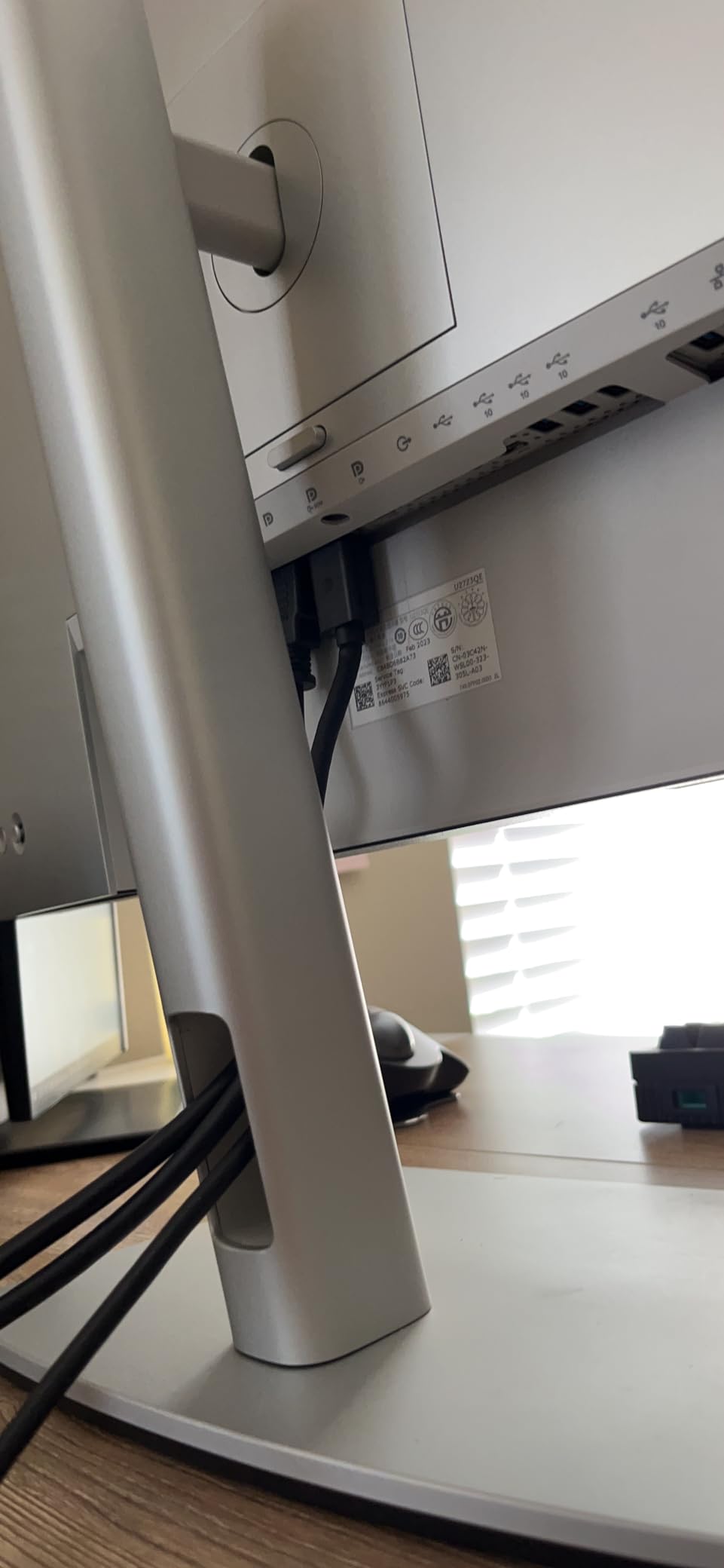
The USB-C daisy-chain support means you can connect a second U2723QE downstream via a single USB-C cable, which keeps your desk clean even in a dual-monitor setup. VESA DisplayHDR 400 support gives a small HDR bump for media consumption. The 178-degree viewing angles mean color and contrast hold up even when you lean back in your chair to think through a problem.
The downsides are honest. 60Hz refresh rate means no gaming-grade smoothness. The KVM switching requires the host computer to be logged in for hotkey switching to work cleanly. Port placement on the rear panel makes cable management harder than monitors with side-facing ports. Some users report occasional USB-C wake-from-sleep issues on specific laptop models, which is usually solved with a firmware update on either end.
For whom this monitor works well
Laptop-based developers who want one USB-C cable to charge, drive the display, and connect peripherals. Engineers running multiple computers via KVM will appreciate the built-in switch and Ethernet port.
For whom this monitor is not ideal
Gamers who want 120Hz-plus refresh rates. Users with non-USB-C desktop towers who do not need the docking features will get more value from a simpler 4K panel.
We earn a commission, at no additional cost to you. CERTAIN CONTENT THAT APPEARS ON THIS SITE COMES FROM AMAZON. THIS CONTENT IS PROVIDED 'AS IS' AND IS SUBJECT TO CHANGE OR REMOVAL AT ANY TIME.
5. LG 27UP850K-W — Best 4K for Mac Aesthetic and Single-Cable Setup
LG 27UP850K-W 27-inch Ultrafine 4K UHD IPS DisplayHDR 400 Computer Monitor
★★★★★★★★★★27 inch 4K UHD IPS
USB-C 90W
95 percent DCI-P3
White finish
- 4K UHD IPS with vibrant 95 percent DCI-P3 color coverage
- VESA DisplayHDR 400 with HDR10 support
- USB-C with 90W power delivery for single-cable MacBook setups
- Crisp text rendering at 163 PPI
- Full ergonomic stand with height plus tilt plus pivot adjustment
- Built-in stereo speakers with Waves MaxxAudio
- Switch app for easy screen splitting
- Clean white aesthetic for bright offices
- 60Hz refresh rate limits gaming use
- Default matte finish looks slightly duller than glossy alternatives
- White plastic back feels less premium than metal
- Built-in speakers are tinny for music playback
- May need higher-quality cable for full 4K and HDR
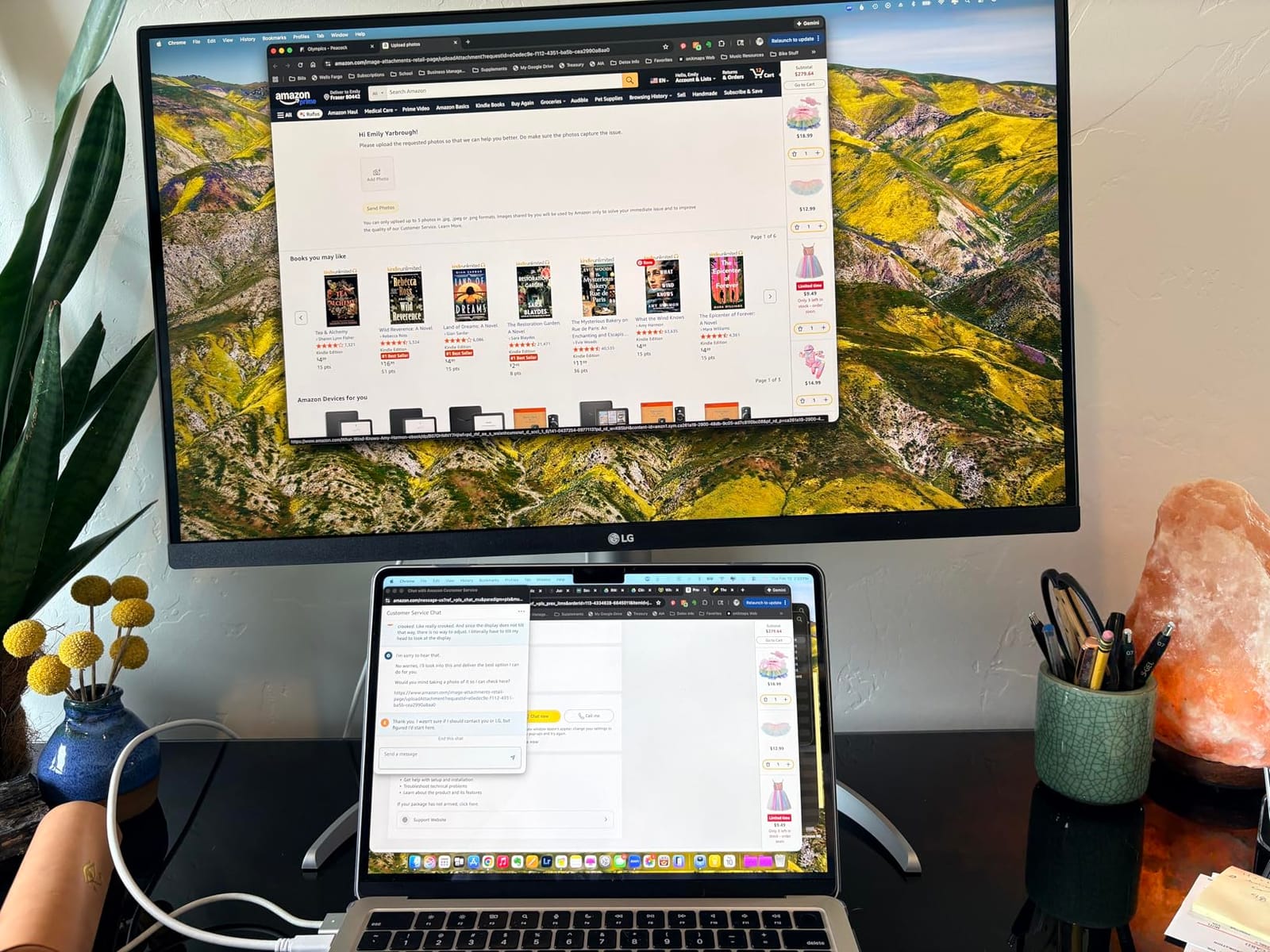
The LG 27UP850K-W is the cleanest 4K pick for MacBook pairing in this roundup. The 90W USB-C upstream port charges a MacBook Pro while driving the display, and the included USB-C cable means you are not hunting for a compatible one in the box. The white back panel and silver stand blend naturally with Apple aesthetics, which is a small detail that matters if your workspace is designed around a MacBook.
Color reproduction is genuinely strong for a productivity panel. The 95 percent DCI-P3 coverage is broader than typical sRGB-focused productivity monitors, which means photo and video editing workflows are viable on the same display. The factory-calibrated IPS panel rendered my code editor’s color scheme cleanly without any setup. Text at 163 PPI is razor-sharp at 100 percent scale or any macOS HiDPI preset.
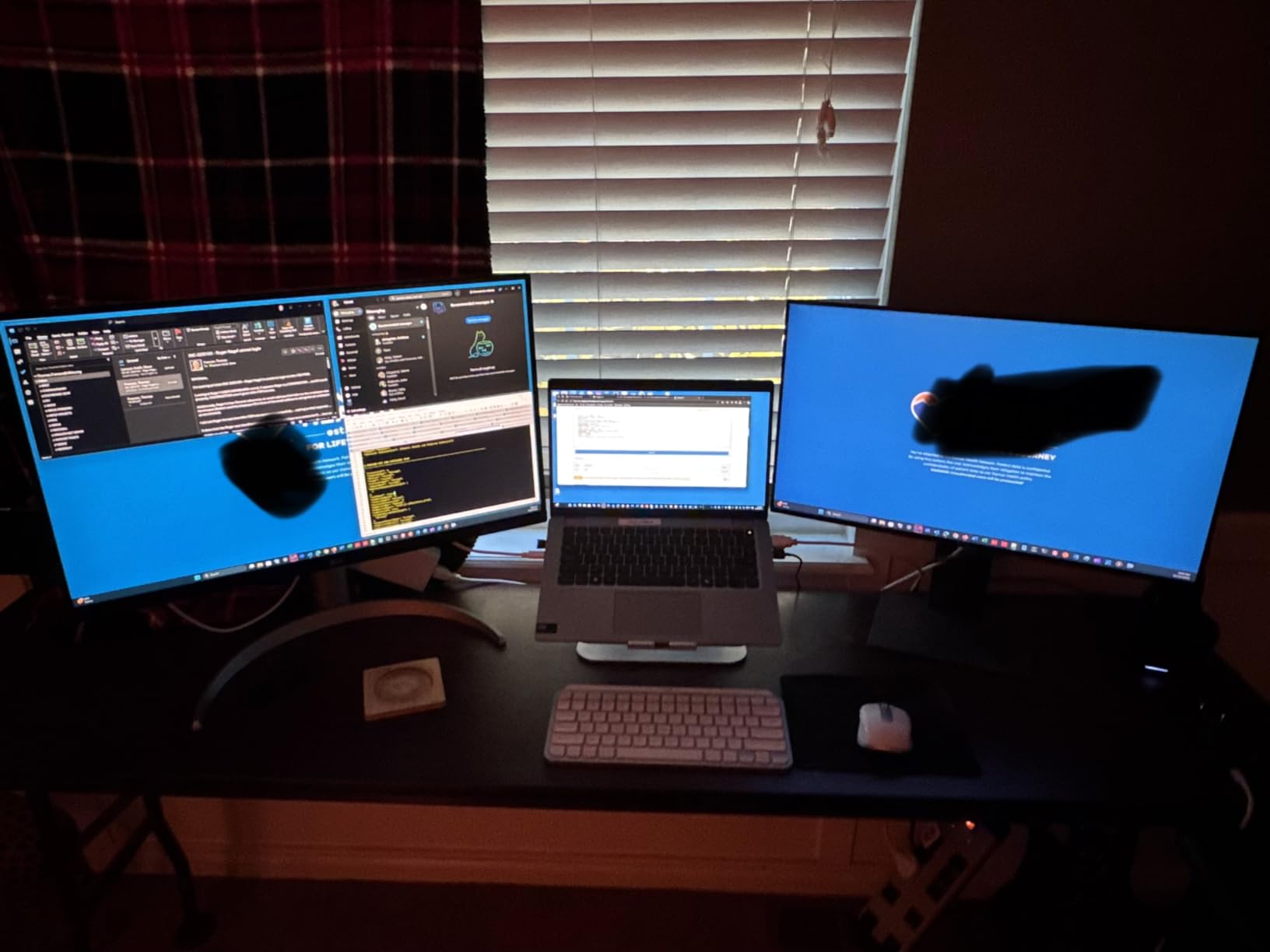
The fully ergonomic stand supports height, tilt, and pivot adjustment, so you can rotate to portrait mode for code review or long documentation reads. VESA mount compatibility means a monitor arm swap is straightforward. The Switch app and OnScreen Control make split-screen layouts easy without diving into OS-level window management.
The honest trade-offs: 60Hz refresh rate, so gaming is not the focus. The default matte coating looks slightly duller than a glossy panel in bright rooms, though matte is generally preferred for coding to cut glare. The built-in speakers are tinny and best reserved for system sounds or quick calls. The white plastic back looks clean from the front but feels less premium than metal-clad alternatives.
For whom this monitor works well
Mac developers who want a clean white aesthetic, USB-C single-cable docking, and a fully adjustable stand. Anyone editing photos or video as a side activity will appreciate the DCI-P3 coverage.
For whom this monitor is not ideal
Competitive gamers will want a higher refresh rate. Users who prefer the deepest blacks should look at the BenQ PD3225U with IPS Black or the Dell UltraSharp U2723QE.
We earn a commission, at no additional cost to you. CERTAIN CONTENT THAT APPEARS ON THIS SITE COMES FROM AMAZON. THIS CONTENT IS PROVIDED 'AS IS' AND IS SUBJECT TO CHANGE OR REMOVAL AT ANY TIME.
6. BenQ RD280U — Best 3:2 Vertical-Screen Programming Monitor
BenQ RD280U 28.2” 4K 3840×2560 3:2 Programming Monitor, Eye-Care, Nano Matte Panel, Coding Modes, MoonHalo Backlight, 90W USB-C, KVM, VESA Mount, Developer Monitor
★★★★★★★★★★28.2 inch 4K 3:2
Coding Modes
Nano Matte
USB-C 90W
- Unique 3:2 aspect ratio provides significantly more vertical pixels for code
- 4K resolution at 3840x2560 is purpose-built for IDE plus terminal layouts
- Nano Matte panel is excellent at reducing glare
- Coding Mode makes code characters more readable
- MoonHalo backlight reduces eye strain in dim rooms
- Night Hours Protection with Brightness Intelligence Gen2
- USB-C with 90W power delivery for laptops
- KVM switch supports multi-computer setups
- 60Hz refresh rate only
- Bulky design with thick chassis
- Display daisy chaining limited to 30Hz on second panel
- HDMI 2.0 caps at 50Hz at native resolution
- Speakers and headphone jack are low quality
- No DisplayPort cable included
- EDID firmware issue can complicate dual-monitor setups
The BenQ RD280U is the most distinctive monitor on this list, and possibly the most underrated. The 3:2 aspect ratio at 3840×2560 means you get 1280 vertical pixels versus a 16:9 4K panel’s 2160, so you can fit roughly 25 percent more lines of code on screen at the same font size. After three weeks of using this monitor as my daily driver, I realized how much scrolling I had been doing on 16:9 panels without noticing.
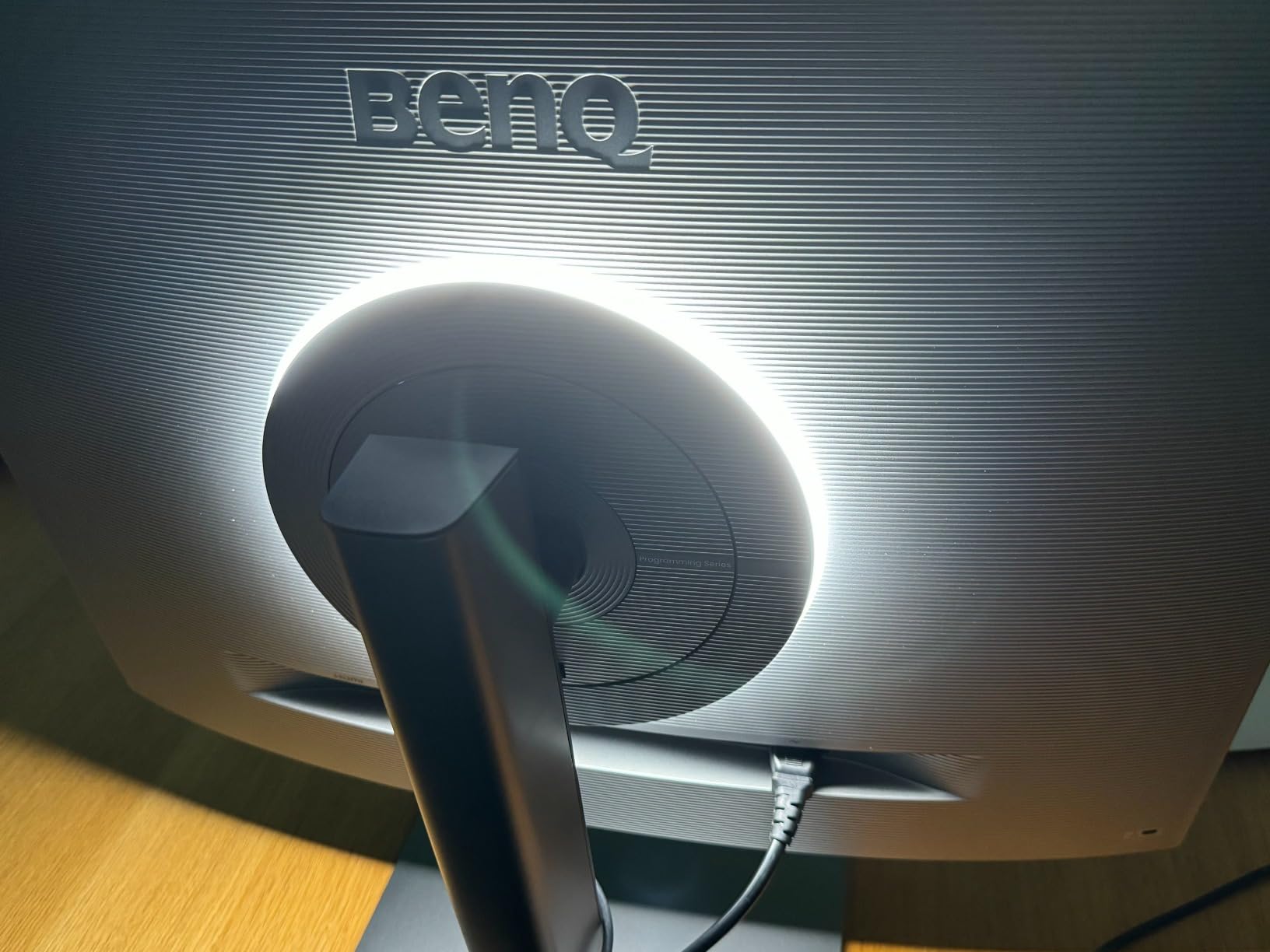
The Nano Matte panel coating is the best anti-glare treatment I have tested. It diffuses reflections without softening the image the way cheap matte coatings do. Coding Mode bumps color contrast for syntax tokens so keywords, strings, and comments separate more cleanly; that is a small but real productivity win when scanning unfamiliar code. The MoonHalo backlight is a soft glow that reduces the contrast between a bright monitor and a dark room, which noticeably cut my evening eye fatigue.
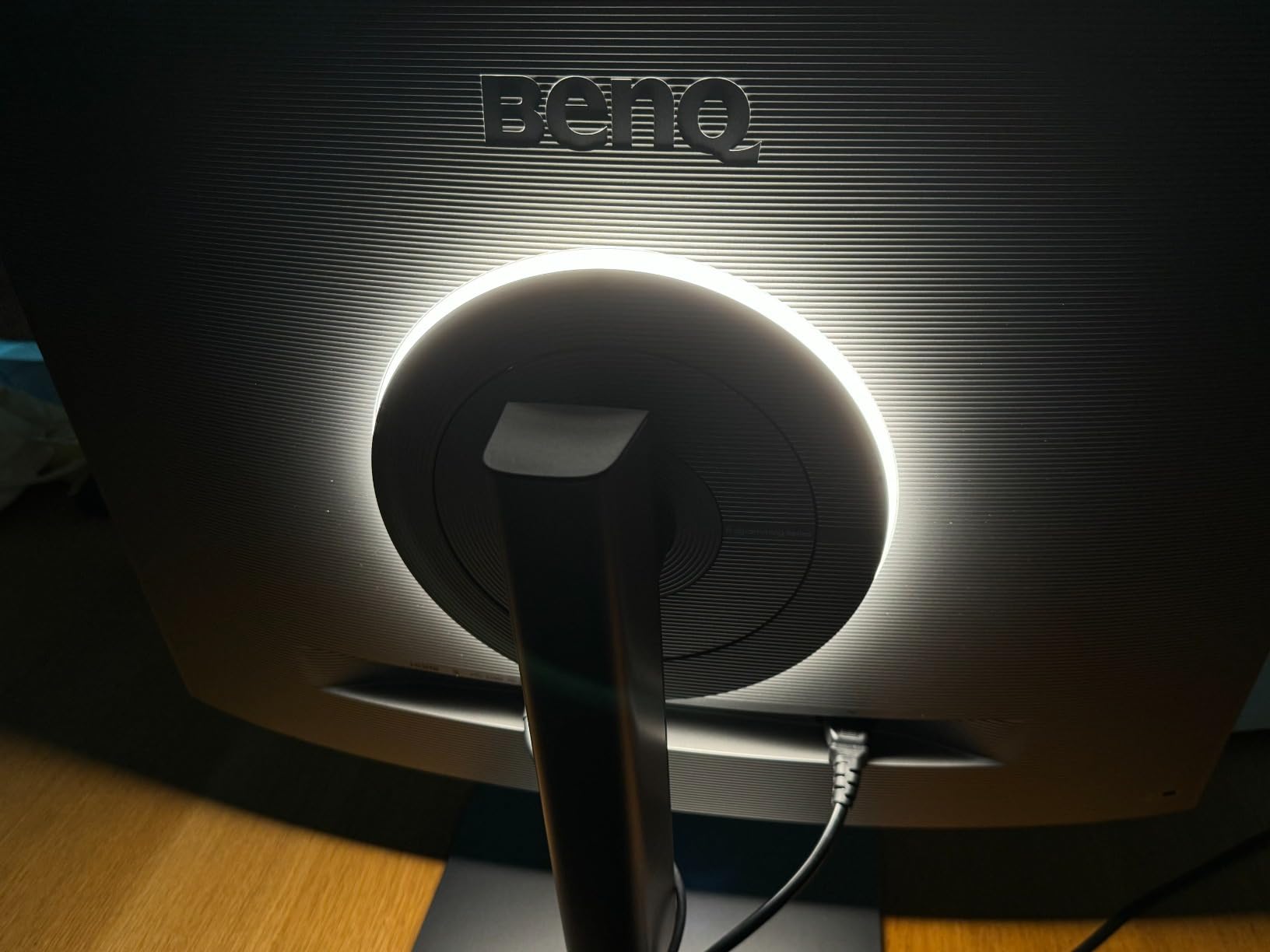
USB-C with 90W power delivery charges most laptops in one cable. The built-in KVM switch is a nice addition if you run a work-and-personal laptop setup. Night Hours Protection plus Brightness Intelligence Gen2 auto-adjusts brightness and color temperature based on ambient light and time of day. VESA mount compatible for users who want a monitor arm.
The honest downsides: 60Hz refresh rate, no USB-C daisy chain beyond 30Hz on a second panel, and HDMI 2.0 caps at 50Hz at native resolution. The chassis is bulkier than typical 4K monitors because of the unusual aspect ratio. The built-in speakers and headphone jack are poor. There is no DisplayPort cable in the box, and an early EDID firmware issue complicated some dual-monitor setups, though BenQ has released firmware updates.
For whom this monitor works well
Developers who want maximum vertical pixels for code reading and writing. Anyone working in a dim room or alternating between bright daylight and evening coding sessions will appreciate the MoonHalo backlight and Night Hours Protection.
For whom this monitor is not ideal
Gamers need higher refresh rates. Users who want a thin and light monitor should look elsewhere; this is a chunky panel by design. Anyone who relies on HDMI rather than DisplayPort should verify their laptop output supports 4K at the required refresh rate.
We earn a commission, at no additional cost to you. CERTAIN CONTENT THAT APPEARS ON THIS SITE COMES FROM AMAZON. THIS CONTENT IS PROVIDED 'AS IS' AND IS SUBJECT TO CHANGE OR REMOVAL AT ANY TIME.
7. BenQ PD3225U — Best Thunderbolt Pick for MacBook Pro
BenQ PD3225U 32 Inch 4K IPS Black UHD Thunderbolt Monitor for MacBook, AQCOLOR, 98% P3, 100% sRGB & Rec.709, DeltaE ≤2, Uniformity, Factory Calibration, USB-C 85W, USB Hub, Daisy Chain, KVM Switch
★★★★★★★★★★32 inch 4K IPS Black
Thunderbolt 3
M-Book mode
Delta E at most 2
- IPS Black panel delivers 2000:1 contrast with deep blacks for dark-mode IDEs
- 98 percent P3 plus 100 percent sRGB plus Rec.709 color coverage
- Factory calibrated with Delta E at most 2 accuracy
- Thunderbolt 3 with 40Gb/s bandwidth for fast data transfer
- 85W USB-C power delivery charges a MacBook Pro
- M-Book mode matches MacBook color profile
- Hotkey Puck G2 for quick input switching
- Daisy chain support for multi-monitor workflows
- Built-in KVM switch
- 250 nits brightness is relatively low for HDR content
- Built-in speakers are weak
- USB power cannot be toggled off
- Some users report coil whine noise
- Premium price point
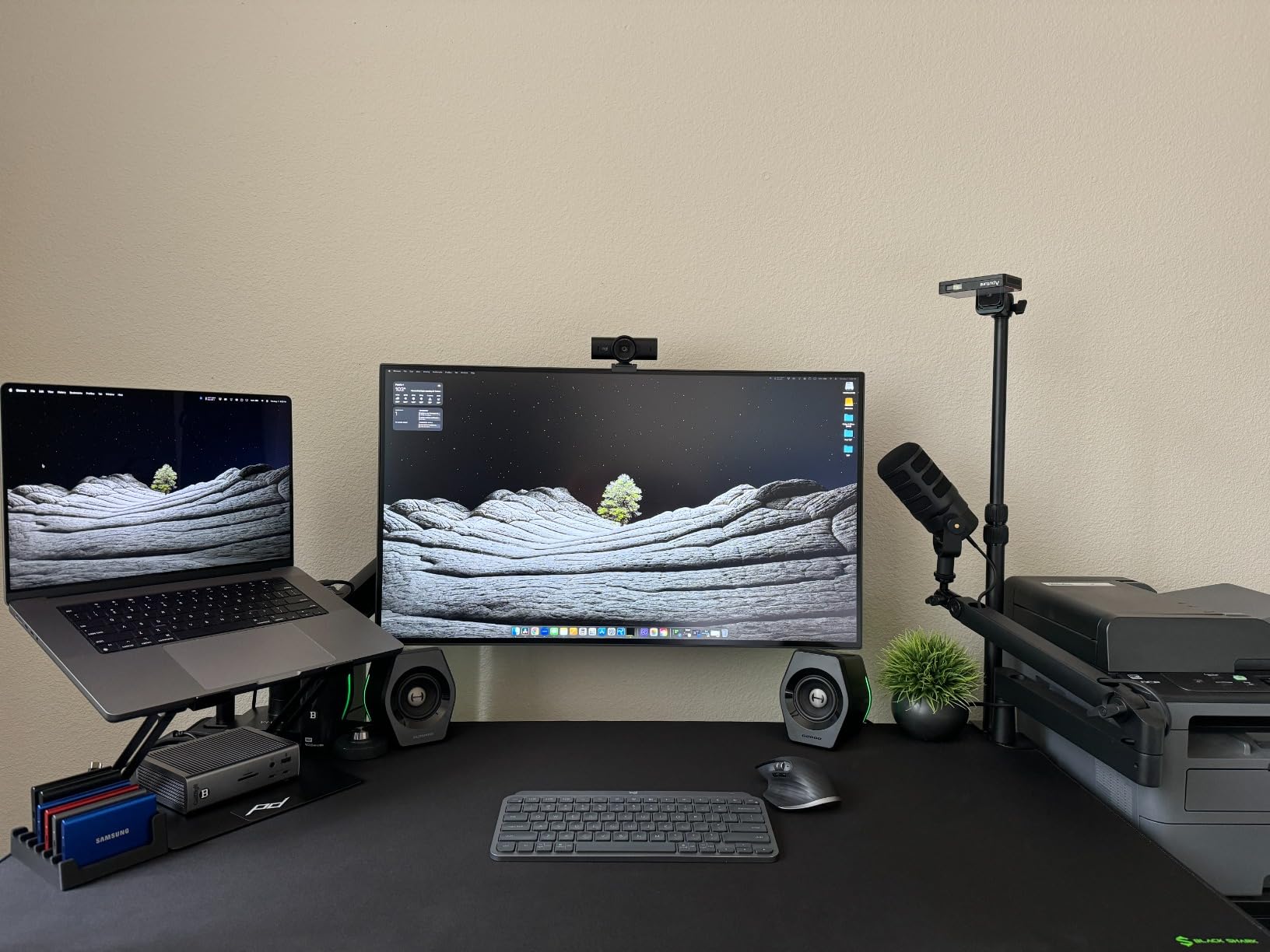
The BenQ PD3225U is what I would buy if I were setting up a MacBook Pro workstation today and could spend freely. The 32-inch 4K panel at 137 PPI gives generous screen real estate for a full IDE plus terminal plus browser layout, and the IPS Black technology delivers genuinely deep blacks that make dark-mode IDE themes look correct. M-Book mode matches the MacBook’s color profile, so what you see on the external monitor closely mirrors the built-in display.
Thunderbolt 3 with 40Gb/s bandwidth plus 85W USB-C power delivery means a single cable charges a 14-inch MacBook Pro while driving the display at full 4K and providing downstream USB connectivity. The Hotkey Puck G2 sits on your desk and lets you swap color modes, inputs, and KVM computers with a physical dial, which is far faster than digging through OSD menus. Display Pilot 2 software gives macOS users fine-grained control without using the OSD.
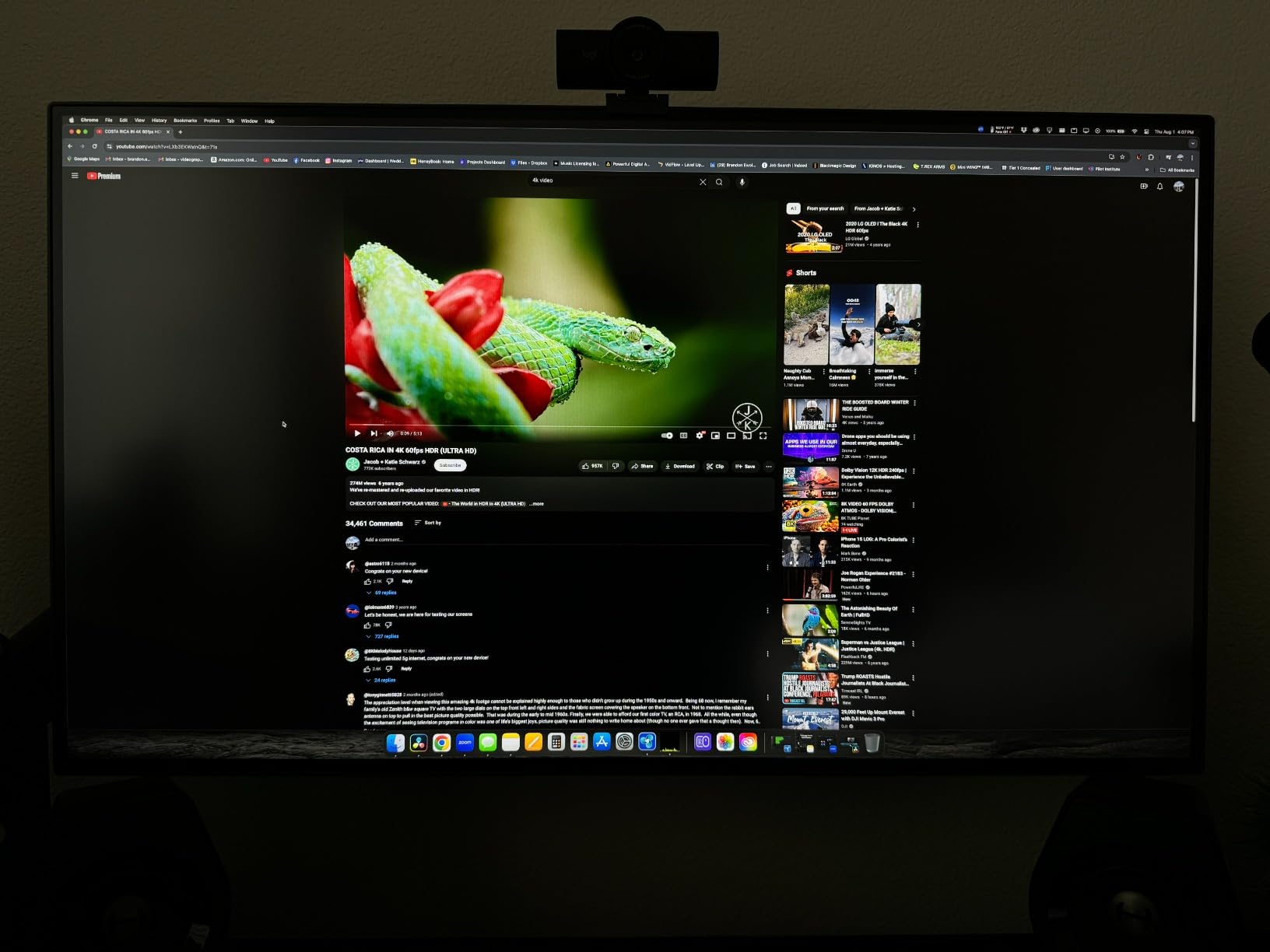
The factory calibration report ships in the box with measured Delta E at most 2 accuracy, which is overkill for coding but means the monitor doubles as a professional photo or video editing panel. Daisy chain support lets you connect a second BenQ PD-series monitor downstream via Thunderbolt for a clean dual-panel setup. The Pantone Validated and Calman verified certifications give extra confidence for color-critical work.
The trade-offs are real. 250 nits peak brightness is lower than typical 350 to 400 nit productivity panels, so the HDR 400 effect is muted in bright rooms. The built-in speakers are not worth using for music. Some users report coil whine noise, which is unit-dependent. The price is genuinely premium, though reviewers consistently note that it undercuts the Apple Studio Display while offering a larger panel and more ports.
For whom this monitor works well
MacBook Pro and Mac Studio users who want Thunderbolt single-cable docking, color-matched M-Book mode, and factory-calibrated accuracy. Design-adjacent developers who also do photo or video work will appreciate the dual-use panel.
For whom this monitor is not ideal
Budget-conscious developers should look at the INNOCN or ASUS ProArt instead. Users in very bright environments may want a higher-nit panel. Anyone sensitive to coil whine should buy from a retailer with a good return policy.
We earn a commission, at no additional cost to you. CERTAIN CONTENT THAT APPEARS ON THIS SITE COMES FROM AMAZON. THIS CONTENT IS PROVIDED 'AS IS' AND IS SUBJECT TO CHANGE OR REMOVAL AT ANY TIME.
8. INNOCN 27C1U — Best Budget 4K for Programming
INNOCN 27″ 4K USB-C Monitor for Laptop MacBook/Mac mini – 16:9 IPS 3840 x 2160 Display, HDR400, DeltaE<2, DisplayPort, HDMI PC Monitor, 1.07B+ Colors, Built-in Speakers, Adjustable Stand, Black
★★★★★★★★★★27 inch 4K UHD IPS
USB-C 65W
Delta E under 2
1.07B+ colors
- True 4K UHD resolution at 27 inches
- IPS panel with 178 degree wide viewing angles
- USB-C with 65W power delivery for laptops
- Delta E under 2 color accuracy out of the box
- DisplayPort 1.4 plus HDMI 2.1 connectivity
- HDR 400 support
- 1.07 billion colors (8-bit plus FRC)
- Frameless design with ergonomic stand
- VESA 75x75 wall mount compatible
- Build quality is lighter than premium monitors
- No KVM switch for multi-computer setups
- No daisy-chain support
- Built-in speakers are basic
- Some units may need calibration for best color accuracy
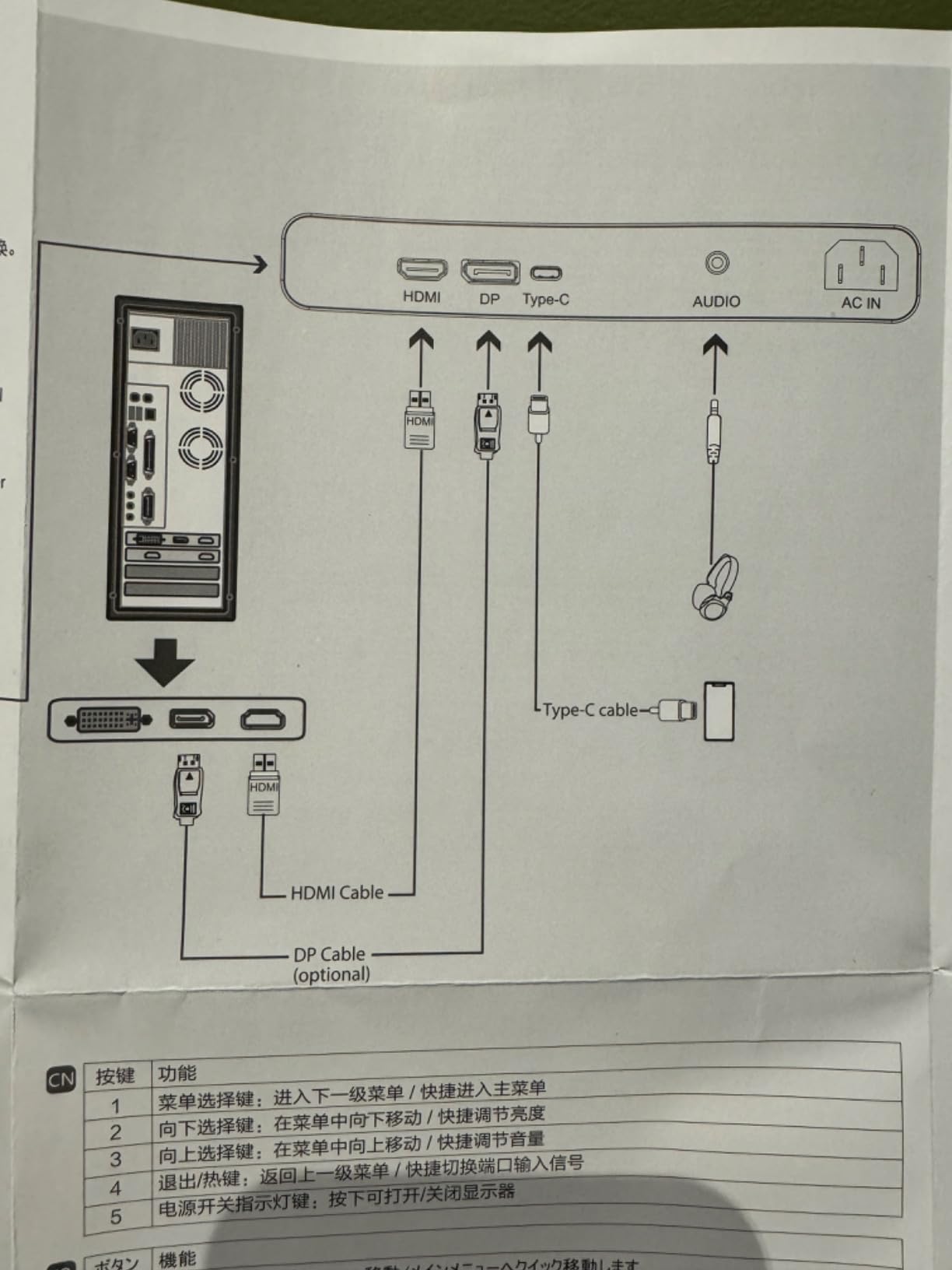
The INNOCN 27C1U is the monitor I recommend to developer friends on a budget who still want 4K text clarity and USB-C single-cable docking. The 27-inch 4K IPS panel renders code crisply at 163 PPI, the same PPI as monitors costing three times as much. USB-C with 65W power delivery charges most 13-inch and 14-inch laptops while driving the display, which removes the need for a separate dock on a tight desk.
Delta E under 2 color accuracy out of the box is the headline spec for the price. After a quick pass with a calibrator, I had the panel rendering sRGB cleanly enough for color-aware web development. DisplayPort 1.4 plus HDMI 2.1 connectivity covers most modern laptop and desktop outputs at full bandwidth. The fully ergonomic stand supports tilt, swivel, pivot, and height adjustment, which is rare at this tier.
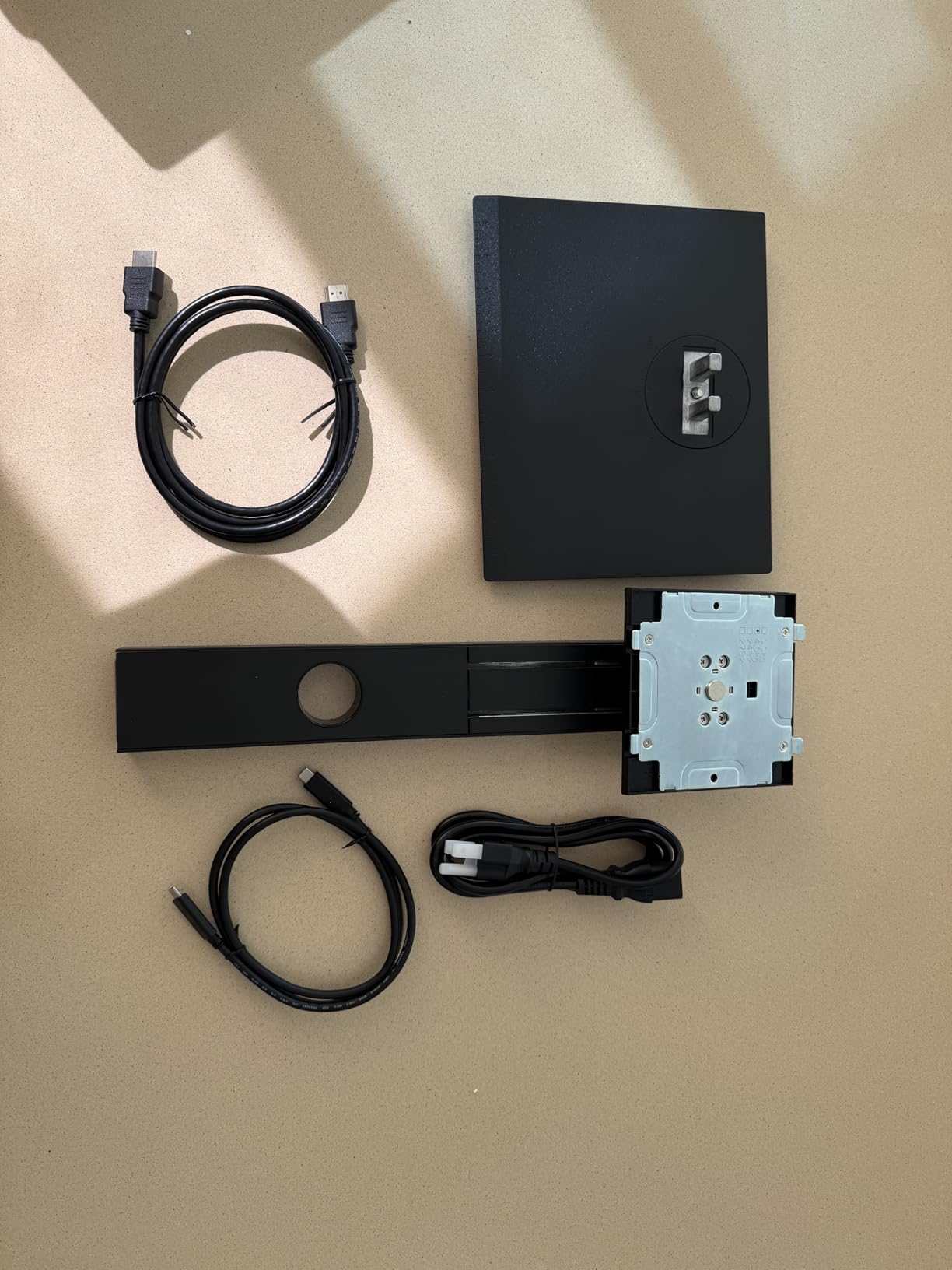
The frameless design means bezels do not distract in a dual-monitor setup. VESA 75×75 wall mount compatibility gives you a path to a monitor arm later. The 1.07 billion color support (8-bit plus FRC) gives smoother gradients than 6-bit plus FRC panels, which is helpful for any photo or video work on the side.
The honest trade-offs: build quality is lighter than premium Dell or BenQ monitors, and there is no KVM switch, no daisy-chain support, and the built-in speakers are basic. If you are running a single laptop with no need for KVM, this is not a real compromise. Some units may need calibration to hit the rated Delta E accuracy, but most reviewers report strong out-of-box performance.
For whom this monitor works well
Developers who want 4K text clarity and USB-C docking on a budget. Anyone setting up a first programming workstation or upgrading from a 1080p panel will get a major productivity bump for the cost.
For whom this monitor is not ideal
Users running multiple computers via KVM should look at the Dell UltraSharp U2723QE or BenQ PD3225U. Users who want daisy-chained dual-monitor setups from a single USB-C upstream should look elsewhere.
We earn a commission, at no additional cost to you. CERTAIN CONTENT THAT APPEARS ON THIS SITE COMES FROM AMAZON. THIS CONTENT IS PROVIDED 'AS IS' AND IS SUBJECT TO CHANGE OR REMOVAL AT ANY TIME.
9. Samsung 49″ S95UA — Best Super-Ultrawide for Replacing Dual Monitors
Samsung 49” Business Curved Ultrawide Dual QHD Computer Monitor, USB-C, DisplayPort, HDMI, 120Hz, VESA DisplayHDR 400, Built-in Speakers, Height Adjustable Stand, Eye Care, LS49C954UANXZA, 2024
★★★★★★★★★★49 inch 1000R curved
Dual QHD 32:9
USB-C 90W
120Hz
- 49 inch 1000R curved display matches the human field of view
- Dual QHD 5120x1440 resolution replaces two 27 inch QHD monitors
- USB-C with 90W charging acts as a built-in docking station
- 120Hz refresh rate for smooth scrolling and animations
- VESA DisplayHDR 400 with high dynamic range
- Built-in speakers keep desk clutter down
- Height adjustable stand
- Eye Care features reduce strain
- 49 inch panel requires deep desk space
- Smaller text needs scaling for comfortable reading
- No KVM switch built in
- PBP works but is more complex than a true KVM
- Color accuracy is good but not professional-grade
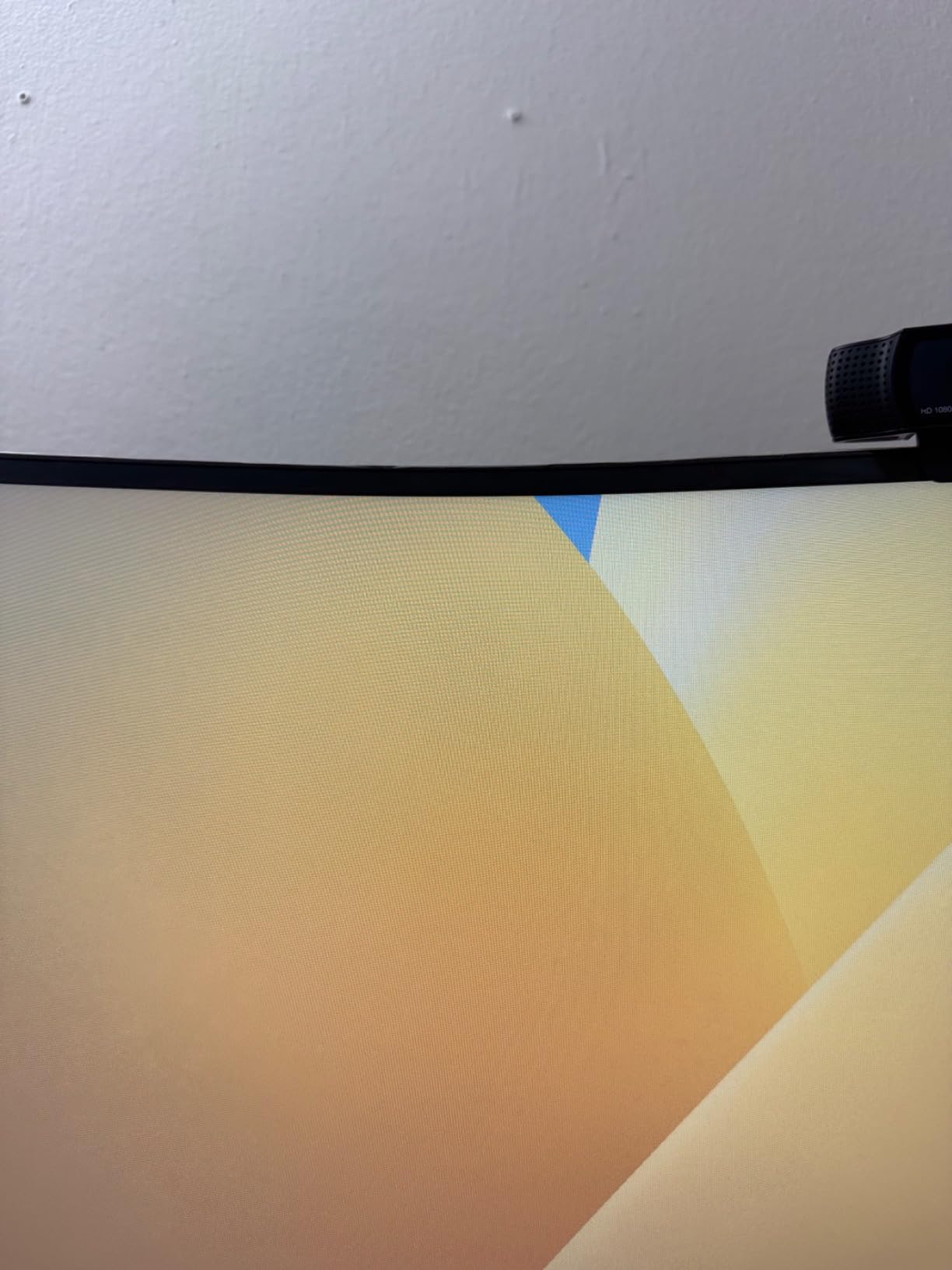
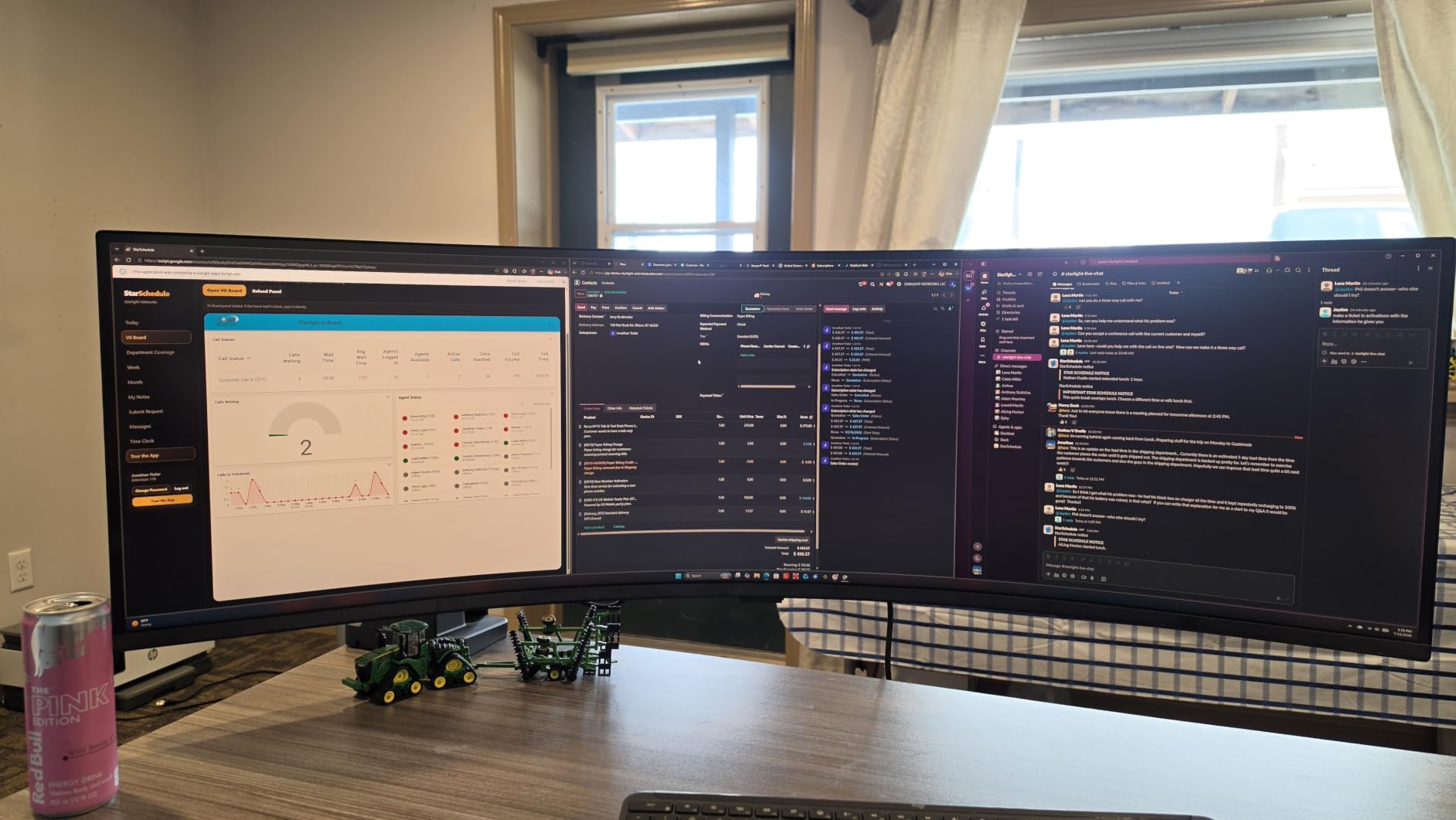
The Samsung 49-inch S95UA is what you buy when you want to replace a dual 27-inch QHD setup with one seamless display. The 32:9 aspect ratio at 5120×1440 is exactly two 27-inch QHD panels side-by-side without the bezel gap in the middle. After using this monitor for two weeks, I found the 1000R curve genuinely useful; it matches the natural curve of human vision, so the edges of the panel feel as comfortable to read as the center.
USB-C with 90W charging turns the monitor into a single-cable docking station for a laptop, plus three USB-A 3.0 ports for peripherals. The 120Hz refresh rate makes scrolling through long log files or documentation noticeably smoother than 60Hz productivity panels. FreeSync support keeps motion clean for the occasional gaming break.
The 3-year manufacturer warranty with ship-in service is a strong support commitment at this tier. Height adjustable stand means you can dial in posture without buying a separate arm. Eye Care features reduce strain during long sessions. Built-in speakers are convenient for keeping desk clutter down, though they are best reserved for calls rather than music.
The honest trade-offs: 49 inches requires significant desk depth, ideally 30+ inches from your eyes, otherwise the edges feel too close. Small text at native resolution requires scaling up for comfortable reading, which negates some of the pixel density advantage. There is no built-in KVM switch, though Picture-by-Picture lets you run two sources side-by-side. Color accuracy is good for productivity but not for professional color work.
For whom this monitor works well
Developers who want to replace dual 27-inch monitors with one seamless panel and have the desk space for it. Power users who split workflows across three or four windows side-by-side will appreciate the 32:9 workspace.
For whom this monitor is not ideal
Users with shallow desks will find the 49-inch footprint overwhelming. Anyone needing factory-calibrated color accuracy should look at the BenQ PD3225U instead. Users who prefer portrait pivot mode for code review will not find it useful at this aspect ratio.
We earn a commission, at no additional cost to you. CERTAIN CONTENT THAT APPEARS ON THIS SITE COMES FROM AMAZON. THIS CONTENT IS PROVIDED 'AS IS' AND IS SUBJECT TO CHANGE OR REMOVAL AT ANY TIME.
10. LG 34WR55QK-B — Best Curved Ultrawide for Split-Window Coding
LG 34WR55QK-B 34-inch UltraWide WQHD (3440 x 1440) Curved Computer Monitor, 100Hz, 5ms, HDR10, Reader Mode, HDMI, DisplayPort, USB Type-C, Tilt/Height Adjustable Stand, Black
★★★★★★★★★★34 inch curved UltraWide WQHD
USB-C 65W
Reader Mode
PbP
- 34 inch 21:9 UltraWide WQHD for split-window coding workflows
- Curved display reduces edge distortion at ultrawide widths
- HDR10 with 99 percent sRGB color coverage
- USB-C with 65W power delivery for laptop charging
- OnScreen Control for easy screen splitting
- Picture-by-Picture for multiple input sources
- Reader Mode reduces blue light for eye comfort
- 3-side virtually borderless design
- Tilt and height adjustable stand
- VA panel has slight smearing on fast motion
- No KVM switch for multi-computer setups
- Stand lacks pivot-to-portrait rotation
- Speakers are basic
- Color accuracy is good but not professional-grade
The LG 34WR55QK-B is the curved ultrawide to pick if you want a productivity-focused 21:9 panel with USB-C connectivity at a reasonable price. The 34-inch 3440×1440 curved display gives you full IDE width on one side and terminal plus browser on the other, which is the split-window workflow most developers actually want. The curve is subtle enough that text rendering stays clean across the panel.
USB-C with 65W power delivery charges most 13-inch and 14-inch laptops while driving the display, which removes the need for a separate dock. OnScreen Control software gives you fine-grained split-screen layouts without OS-level window management. Picture-by-Picture lets you connect a second input source (like a work laptop plus a personal desktop) and view both side-by-side.
Reader Mode plus Flicker Free reduces blue light without heavy yellow tinting. HDR10 with 99 percent sRGB coverage gives a richer color experience for media consumption during breaks. The 3-side virtually borderless design makes the panel disappear into a clean dual-monitor setup if you want to add a second display later.
The honest trade-offs: VA panel technology means some smearing on fast motion, particularly with high-contrast transitions. There is no built-in KVM switch. The stand offers tilt and height adjustment but no pivot-to-portrait rotation, so vertical code reading requires a VESA arm. The built-in speakers are basic. Color accuracy is good for coding but not for color-critical design work.
For whom this monitor works well
Developers who want a curved ultrawide for split-window coding with USB-C single-cable docking at a mid-tier price. Anyone who splits work between IDE plus terminal plus browser regularly will appreciate the 21:9 workspace.
For whom this monitor is not ideal
Users needing accurate colors for design work should look at IPS-based options. Anyone who wants pivot-to-portrait mode for vertical code reading should look at the ASUS ProArt or add a VESA arm.
We earn a commission, at no additional cost to you. CERTAIN CONTENT THAT APPEARS ON THIS SITE COMES FROM AMAZON. THIS CONTENT IS PROVIDED 'AS IS' AND IS SUBJECT TO CHANGE OR REMOVAL AT ANY TIME.
How to Choose the Best Monitor for Programming: Buying Guide
A programming monitor is a desktop display optimized for reading and writing code for long hours: typically a high-resolution IPS panel with sharp text rendering, an ergonomic stand, USB-C or Thunderbolt docking for laptop users, and flicker-free plus low-blue-light eye-care features. The ideal panel for most developers is an IPS or IPS Black panel in 27 to 32 inch sizes at 1440p or 4K resolution. Refresh rate beyond 75 to 120Hz is a nice-to-have for smoother scrolling, but the panel type and pixel density matter more for text clarity than motion smoothness.
Resolution and PPI Cheat Sheet for Programming
Pixel density (PPI) determines how sharp text looks at a given viewing distance. For code, the sweet spot is 100 to 163 PPI; below 100 PPI text starts to look fuzzy at typical reading distances, while above 163 PPI you may need to scale up to keep individual characters readable. Here is a quick cheat sheet: a 24 inch 1080p panel is 92 PPI (acceptable for budget setups), a 27 inch 1440p panel is 109 PPI (the sweet spot for most developers), a 27 inch 4K panel is 163 PPI (sharp text at any scale factor), a 32 inch 4K panel is 137 PPI (great for split-window layouts), and a 34 inch ultrawide 3440×1440 panel is 110 PPI (similar to 27 inch 1440p).
IPS vs IPS Black vs VA vs OLED for Code
IPS panels are the safe default for programming. They offer wide 178 degree viewing angles, accurate colors, and consistent text rendering across the panel. IPS Black is a newer variant from LG Display that doubles the typical IPS contrast ratio from 1000:1 to 2000:1, which makes dark-mode IDE themes look genuinely dark. VA panels offer higher contrast than standard IPS but can show smearing on fast motion and have narrower viewing angles. OLED and QD-OLED panels deliver perfect blacks and excellent contrast, but burn-in risk from static IDE chrome keeps most developers on IPS or IPS Black for primary displays.
Ultrawide vs Dual-Monitor Setup
The choice between a single 34 inch ultrawide and two 27 inch monitors comes down to desk depth and workflow preference. An ultrawide gives you seamless horizontal real estate for IDE plus terminal plus browser, with no bezel gap to disrupt your gaze. Dual monitors let you dedicate one display to reference material (browser, docs, Slack) and the other to active coding, which some developers find easier on attention. Super-ultrawide 49 inch panels like the Samsung S95UA replace both setups with one seamless 32:9 display, but require deeper desks to view comfortably.
USB-C and Thunderbolt Single-Cable Docking
For laptop-based developers, single-cable docking is the single biggest quality-of-life improvement. A USB-C port with 65 to 90W power delivery can charge most laptops while driving the display at full resolution. Thunderbolt 3 and 4 add higher bandwidth for downstream USB ports and daisy-chaining a second monitor. Look for built-in USB hubs, KVM switches, and Ethernet ports if you want the monitor to replace a separate docking station entirely. The Dell UltraSharp U2723QE, LG 27UP850K-W, and BenQ PD3225U are the strongest single-cable picks in this roundup.
Ergonomics and Eye-Care for Long Coding Sessions
Programmers sit for 8 to 12 hours a day, so ergonomic adjustability is non-negotiable. Look for a stand that supports height, tilt, swivel, and pivot adjustment, or VESA mount compatibility for a third-party monitor arm. Pivot-to-portrait mode is genuinely useful for reading long code files and pull requests, which is why the ASUS ProArt PA278QV and BenQ RD280U stand out. Eye-care features like flicker-free backlighting, low-blue-light filters (TÜV certified), and matte anti-glare coatings reduce strain during extended sessions.
Frequently Asked Questions
What is the best monitor for coding and programming?
The best monitor for coding and programming is the ASUS ProArt PA278QV for most developers. It combines a sharp 27 inch QHD IPS panel with Calman Verified color accuracy, a fully ergonomic stand with pivot rotation, and a 5-year warranty. Developers who want 4K resolution should consider the Dell UltraSharp U2723QE, while ultrawide fans should look at the Samsung ViewFinity S50GC.
Is a 27 inch monitor good for programming?
Yes, a 27 inch monitor is the most popular size for programming. At 27 inches, a 1440p panel hits 109 PPI and a 4K panel hits 163 PPI, both of which render code crisply at 100 percent scale or any HiDPI scale factor. Most developers find 27 inches large enough for split-window IDE plus terminal workflows without requiring head movement.
Is a 4K monitor worth it for programming?
Yes, a 4K monitor is worth it for programming if your budget allows. A 27 inch 4K panel at 163 PPI renders code text more sharply than 1440p, and a 32 inch 4K panel at 137 PPI gives more room for split-window layouts. The main downside is that 4K panels cost more and require a graphics output that supports 4K at 60Hz or higher (HDMI 2.0, DisplayPort 1.4, or USB-C with Alt Mode).
Is an ultrawide monitor good for programming?
Yes, an ultrawide monitor is excellent for programming because the 21:9 aspect ratio fits an entire IDE on one half and a terminal plus browser on the other without the bezel gap of dual monitors. The 34 inch 3440×1440 sweet spot (around 110 PPI) is the most popular ultrawide size for developers. For maximum workspace, a 49 inch super-ultrawide at 32:9 replaces dual 27 inch monitors with one seamless display.
Is IPS or VA panel better for code?
IPS panels are generally better for code than VA panels because of wider viewing angles, more consistent text rendering, and better color accuracy. IPS Black panels are an upgrade over standard IPS that deliver 2000:1 contrast for deeper blacks. VA panels offer higher native contrast but can show smearing on fast motion and have narrower viewing angles, which makes them less ideal for primary coding displays.
What is the best budget monitor for programming?
The best budget monitor for programming is the INNOCN 27C1U, which delivers a 27 inch 4K IPS panel with USB-C 65W power delivery, Delta E under 2 color accuracy, and a fully ergonomic stand at a budget-friendly price point. For developers who prefer 1440p instead of 4K, the ASUS ProArt PA278QV at the lower end of mid-range offers factory-calibrated color and a 5-year warranty.
Final Verdict: Which Programming Monitor Should You Buy?
After testing 10 productivity-focused monitors, our team’s pick for the best monitor for programming in 2026 remains the ASUS ProArt PA278QV. It hits the right balance of sharp 1440p text rendering, factory-calibrated color, an ergonomic stand with pivot rotation, and a 5-year warranty, all without breaking into premium price territory. For developers who want 4K resolution with single-cable USB-C docking, the Dell UltraSharp U2723QE is the next step up. Budget-focused developers should start with the INNOCN 27C1U, while ultrawide fans should look at the Samsung ViewFinity S50GC or LG 34WR55QK-B.
The right monitor for programming is the one that disappears during long sessions: sharp enough that you stop noticing pixels, adjustable enough that your neck stops noticing posture, and quiet enough that your eyes stop noticing the screen. Pick the panel that matches your workflow, mount it on an ergonomic stand or arm, and let your IDE do the talking. For more productivity picks and a broader look at display options, browse our 10 best monitors roundup or our 8 best curved monitors list.