
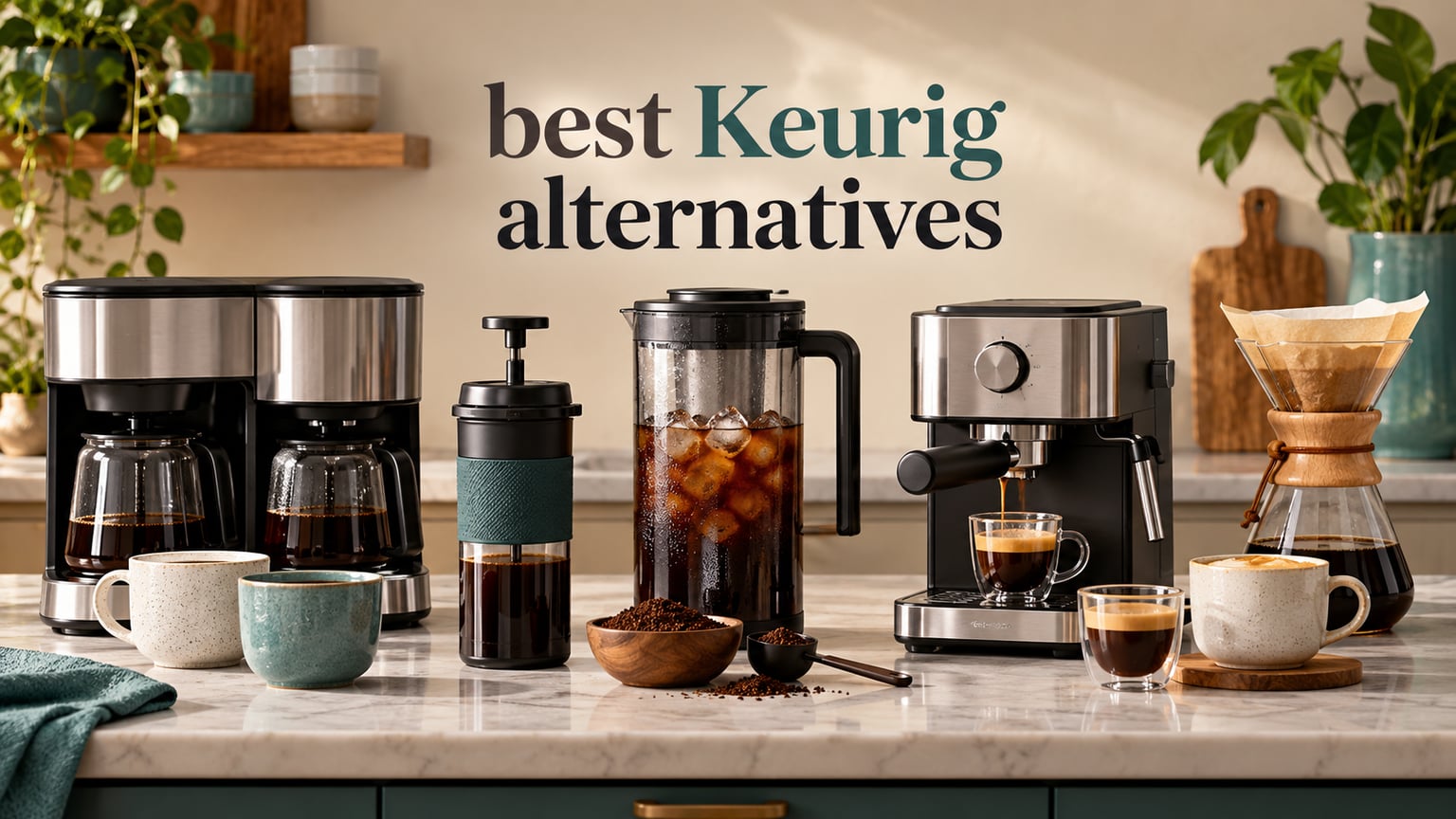
Most people who search for the best Keurig alternatives are not on a mission to trash a brand. They have a machine on the counter that stopped tasting like coffee, or they finally did the arithmetic on pods and felt a little ill. A few are simply done feeding a plastic cup into a slot every morning.
So here is the honest short answer to what to replace a Keurig with. If you drink one or two cups a day and want the same one-press routine, the fix is a capsule machine built on pressure and a different pod. If you want cheaper cups, better control, and no plastic at all, the fix is loose grounds and a permanent filter. If you want café-style drinks without a café, the fix is a machine with a frother and a concentrate mode.
We spent weeks putting eight of the strongest non-Keurig brewers through their paces, from a manual travel press to a full espresso setup, and we grouped them by the method each one actually uses. That framing matters, because the wrong method is the real mistake people make. A pod loyalist who buys a manual pour-over will be miserable in a week, and a grounds devotee who buys a capsule machine will be back on the pod site in a month.
Table of Contents
- Top 3 Best Keurig Alternatives (October 2026)
- Quick Overview of the Best Keurig Alternatives in 2026
- Why People Stop Using Keurig?
- 1. Hamilton Beach 2-Way Brewer: One Machine for One Cup or a Full Pot
- 2. AeroPress Go: The Best Non-Keurig Brewer for Travel and Small Spaces
- 3. Ninja Hot and Iced XL: The Best Pick for Iced Coffee Drinkers
- 4. Cuisinart 14-Cup Programmable: The Best Fit for a Full House
- 5. Cuisinart SS-10 Single Serve: The Best Choice for K-Cup Loyalists
- 6. Ninja DualBrew Pro: The Best Hybrid for Pods and Grounds in One Machine
- 7. Nespresso Essenza Mini: The Best Keurig Alternative for Espresso and Small Spaces
- 8. BLACK and DECKER Grind and Brew: The Best Pick With a Built-In Grinder
- How to Choose a Keurig Replacement That Fits Your Habits?
- Cost Per Cup and Upkeep Over the First Year
- Who Should Keep Their Keurig?
- Frequently Asked Questions
- The Verdict on the Best Keurig Alternatives in 2026
Top 3 Best Keurig Alternatives (October 2026)

Hamilton Beach 2-Way Brewer
- Single cup or a 12-cup pot in one unit
- Loose grounds with a reusable filter
- Programmable 24-hour timer

Ninja Hot and Iced XL
- Four brew styles including cold brew
- Eight brew sizes
- Cold brew in as little as 10 minutes

AeroPress Go
- Brews and cleans in under 2 minutes
- Packs into its own mug
- No electricity required
Quick Overview of the Best Keurig Alternatives in 2026
| Product | Key Specs | Pricing |
|---|---|---|
| Hamilton Beach 2-Way Brewer |
|
Check Latest Price |
| AeroPress Go |
|
Check Latest Price |
| Ninja Hot and Iced XL |
|
Check Latest Price |
 Cuisinart 14-Cup Programmable Cuisinart 14-Cup Programmable |
|
Check Latest Price |
 Cuisinart SS-10 Single Serve Cuisinart SS-10 Single Serve |
|
Check Latest Price |
 Ninja DualBrew Pro Ninja DualBrew Pro |
|
Check Latest Price |
 Nespresso Essenza Mini Nespresso Essenza Mini |
|
Check Latest Price |
 BLACK and DECKER Grind and Brew BLACK and DECKER Grind and Brew |
|
Check Latest Price |
Why People Stop Using Keurig?
The complaints that actually push people off the machine are consistent across owner forums, and they fall into three buckets: cost, taste, and hardware.
The per-cup math adds up faster than the sticker price suggests
A Keurig is not expensive. The ongoing cost is the problem, because the same coffee you can buy by the bag is sold to you one plastic pod at a time, and a pod machine adds a machine replacement to the equation whenever one fails early. Owners on r/keurig describe replacing machines at a year or two while running only one or two pods a day, which means the purchase price keeps repeating.
The math changes completely the moment you buy grounds. A bag of coffee that fills a permanent filter costs a small fraction of what a carton of pods does for the same number of cups, and the filter itself is a one-time buy rather than a per-cup line item.
Temperature and taste complaints from owners
The most common taste note in owner threads is that the coffee is weak or not hot enough. A K-Cup system pushes hot water through a small amount of ground coffee sealed inside plastic, which tends toward a thin cup compared with freely draining drip coffee or a pressure-driven espresso shot. Buyers who upgrade to a machine that brews from loose grounds frequently describe the change as the reason they never went back.
There is a counterargument worth hearing, and one r/Coffee poster put it well: the replacement machine they moved to is not unsafe, but it does not make the world’s best cup of coffee either. Convenience and quality are separate axes, and the machine that wins on one may not win on the other.
Plastic pods, machine lifespan and the universal-cup problem
Waste is the reason that rarely fits neatly in a review. A pod gives you three minutes of coffee and a piece of plastic for the rest of time, and switching to a machine with a permanent filter or an aluminium capsule removes that object from your life entirely. Owners also flag that Keurig discontinued universal-cup models, so when an older machine dies there is no like-for-like replacement to buy.
On durability, forum reports cluster around machines failing within about a year at modest daily use, and pod lock-in behaviour has been a long-running complaint among owners. None of that makes a Keurig unusable, but it does mean the true long-term cost is higher than the box suggests.
1. Hamilton Beach 2-Way Brewer: One Machine for One Cup or a Full Pot
Hamilton Beach 2-Way Brewer Coffee Maker, Single-Serve and 12-Cup Pot, Black/Stainless Steel(49980A), Carafe
★★★★★★★★★★Single cup to 14 oz or 12-cup pot
Loose grounds, reusable filter
24-hour timer
- Brews a single cup and a full 12-cup pot in one compact unit
- Uses loose grounds so there are no pods to buy or throw away
- Programmable up to 24 hours ahead
- Single-serve filter is a quick rinse
- Multi-year durability is widely reported
- Only one side brews at a time
- Single-serve side needs measured water and the right amount of coffee
- No audible signal when the pot is finished
This is the machine we keep coming back to, and it is the one we hand to a Keurig owner who is not ready to change any habits. You press a button for a single cup, or you set the carafe side going for a full household, and both are ground coffee through a reusable filter. Nothing about the morning routine changes except the cost of the coffee itself.
The included mesh scoop is the entire measuring system on the single-serve side, so you are not wrestling with pods or barcodes. Fill the scoop, drop it in, add water, press the button. Reviewers report the taste holds up as a genuine step up from pod coffee, and a bold setting on the carafe side is there when you want it stronger.
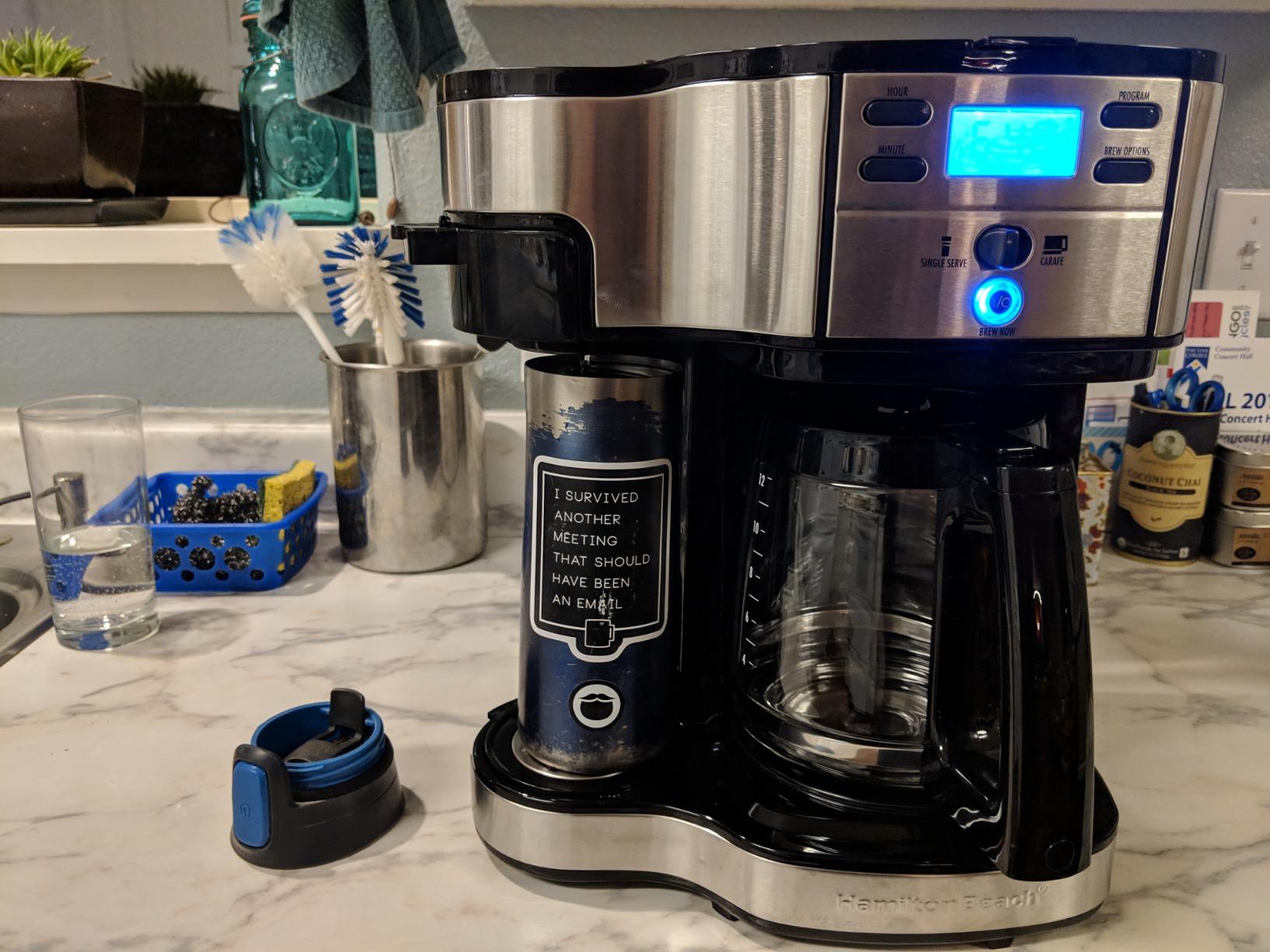
Two separate water reservoirs, one per brewing side, each with its own window, remove the guessing game at the sink. The carafe side also has AutoPause and Pour, so a first cup is available while the rest of the pot is still brewing, and a 24-hour timer means the coffee can be ready when you wake up.
Counter space is the trade-off. At roughly 11 by 12 inches with a 14-inch height, it is not a tiny appliance, though it is narrower than most 12-cup machines. The build is plastic-heavy and the one-year warranty is short compared with the Cuisinart 14-cup, but owners report this same model running for years at normal daily use.
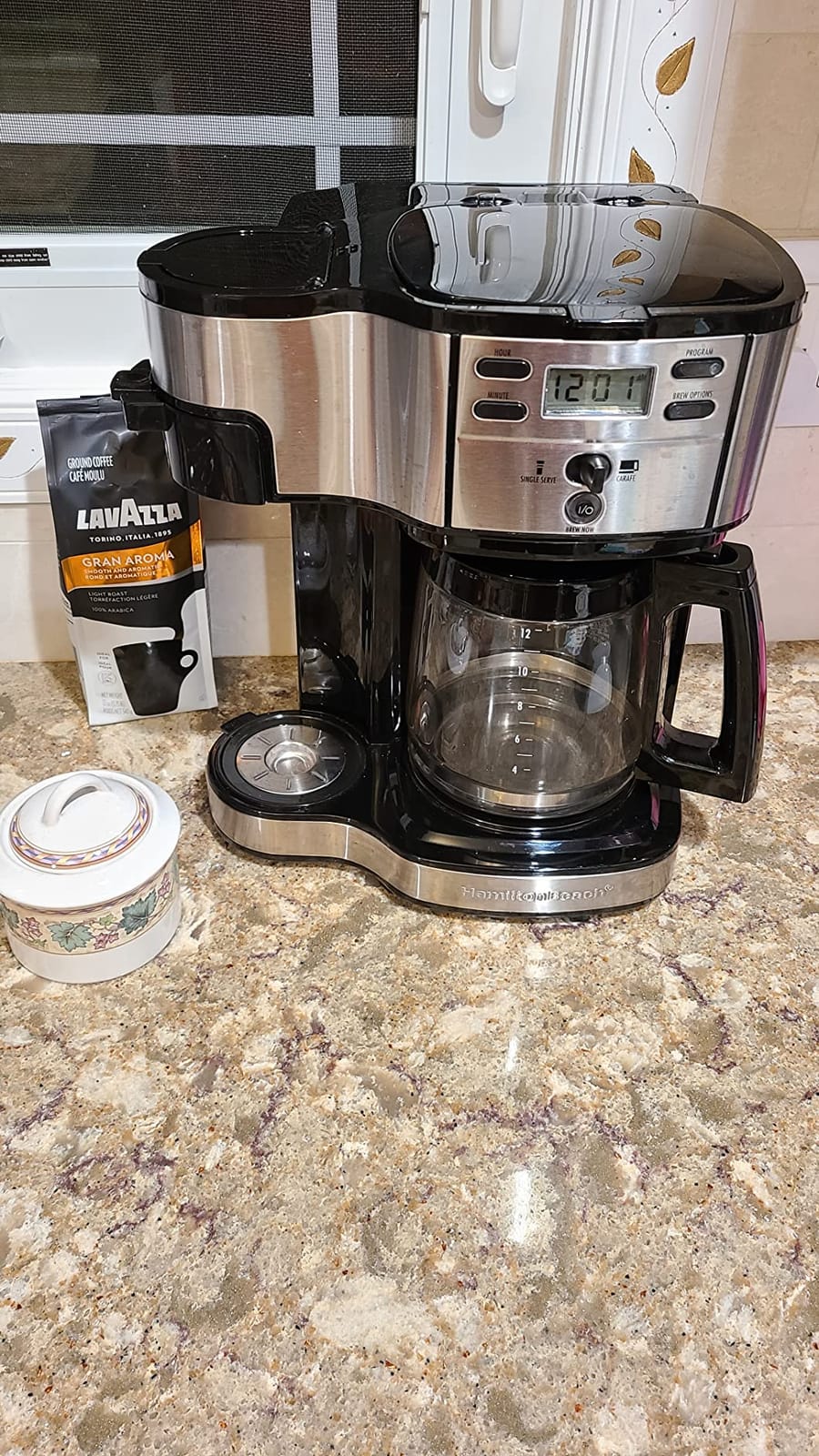
Who the 2-Way Brewer suits?
It suits a household of one or two who still want a one-push morning cup but hate per-pod pricing, and it suits a family that needs a full pot on weekends. The generous 14-ounce single-serve limit also means travel mugs are not a problem, which is where several pod machines struggle.
If you have a Keurig because the machine was a gift and you only ever make one cup, this is the lowest-friction swap available. Nothing about your routine changes beyond buying a bag of coffee instead of a box of pods.
Where the 2-Way Brewer falls short?
You can only use one side at a time, and starting the other side switches the first one off. That is rarely a real problem, but it does mean the machine is doing double duty rather than serving both at once.
The single-serve side has no built-in measurement, so the first few cups take trial and error on water volume and coffee amount. There is also no chime at the end of a carafe brew, so you learn to listen for the sputter. If you want a capsule option kept in reserve, this is not the machine for that, since it is grounds only.
We earn a commission, at no additional cost to you. CERTAIN CONTENT THAT APPEARS ON THIS SITE COMES FROM AMAZON. THIS CONTENT IS PROVIDED 'AS IS' AND IS SUBJECT TO CHANGE OR REMOVAL AT ANY TIME.
2. AeroPress Go: The Best Non-Keurig Brewer for Travel and Small Spaces
AeroPress Go Extra Small Portable Coffee Maker Kit
★★★★★★★★★★8 oz manual capacity
318 g, no electricity needed
Brews and cleans in under 2 minutes
- Highest average rating of the eight machines we reviewed
- Brews a smooth cup in under two minutes
- No electricity or outlet required
- Packs into its own mug
- Handles hot
- iced and cold brew
- Single-serving size only
- Manual plunging and cleaning every time
- Larger mug needed for anything beyond 8 ounces
The AeroPress is the simplest object in this article and the easiest to recommend. It is a manual brewer: coffee goes in, hot water goes in, you wait about thirty seconds, and you press the plunger down. The whole cycle finishes in under two minutes, and the machine does the dissolving work with air pressure and a micro-filter rather than a paper bag.
Taste is where it earns its 4.7 average. Reviewers consistently describe a full-bodied, sediment-free cup with no bitterness, and because you control grind size, water temperature and brew time, you can dial the result toward light, heavy or espresso-style. It is the only machine here that also does cold brew and iced coffee without a different attachment.
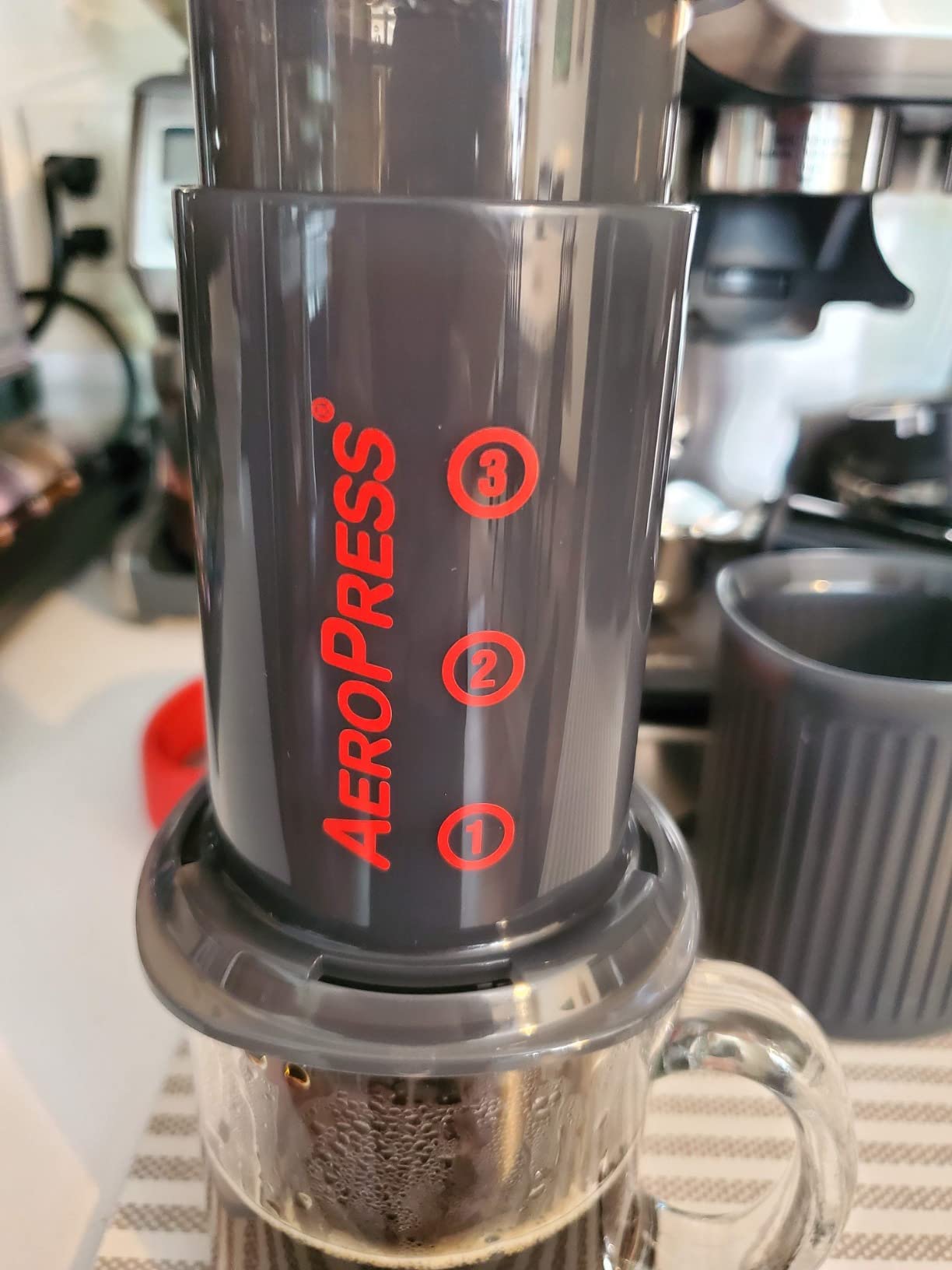
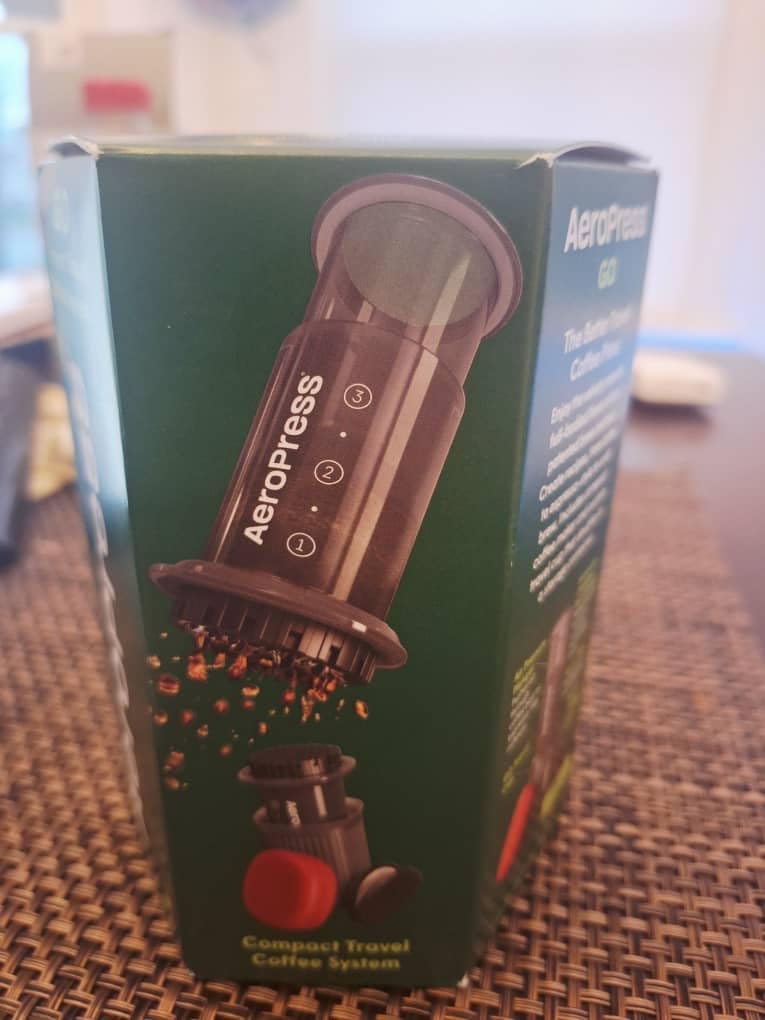
It also solves the travel problem completely. There is no power cord, and the brewer packs into the included microwaveable mug with a silicone lid, so the whole kit fits in a bag. That makes it a serious candidate if you want to replace a Keurig with something you can also take to work, to a hotel, or to a campsite with no hookups.
Physically it is 4.2 inches square and 7.3 inches tall at 318 grams, so counter space is a non-issue. The one-year warranty runs from the date of purchase through an authorized retailer, and the polypropylene body is unbreakable in the way a glass carafe is not.
Who the AeroPress Go suits?
It suits one person, one cup a day, and anyone who would rather not maintain an electric machine at all. Descaling is close to a non-issue because there is no heating element and no internal plumbing, so the total upkeep is rinsing a chamber and a filter.
It is also the sensible pick for anyone who finds strong coffee hard on their stomach, since you can adjust brew time and temperature to pull a gentler cup, and slow-steep the same grounds cold for a low-acidity result. A few owners use it as a second brewer beside a larger machine for exactly this reason.
Where the AeroPress falls short?
It makes one cup at a time, by hand, at 8 ounces. A household that drinks ten cups before leaving the house should look at a carafe brewer instead, because standing and pressing a plunger ten times is a different kind of morning.
It is also a manual chore. There is no timer, no auto shut-off, and nothing to program, which is precisely the appeal for some buyers and precisely the annoyance for others. If you want a machine that finishes a pot while you are in the shower, this is the wrong category entirely.
We earn a commission, at no additional cost to you. CERTAIN CONTENT THAT APPEARS ON THIS SITE COMES FROM AMAZON. THIS CONTENT IS PROVIDED 'AS IS' AND IS SUBJECT TO CHANGE OR REMOVAL AT ANY TIME.
3. Ninja Hot and Iced XL: The Best Pick for Iced Coffee Drinkers
Ninja Hot & Iced XL Coffee Maker with Rapid Cold Brew, Black, CM371
★★★★★★★★★★Four brew styles including cold brew
Eight brew sizes
Removable auto-metering reservoir
- Four brew styles in one machine including real cold brew
- Auto-metering reservoir removes measuring and refills
- 24-hour delay brew for scheduled mornings
- Includes a glass carafe
- permanent filter and Smart Scoop
- 15-inch body may not clear low cabinets
- Glass carafe is heavier and breakable
- Sits well above basic drip brewers
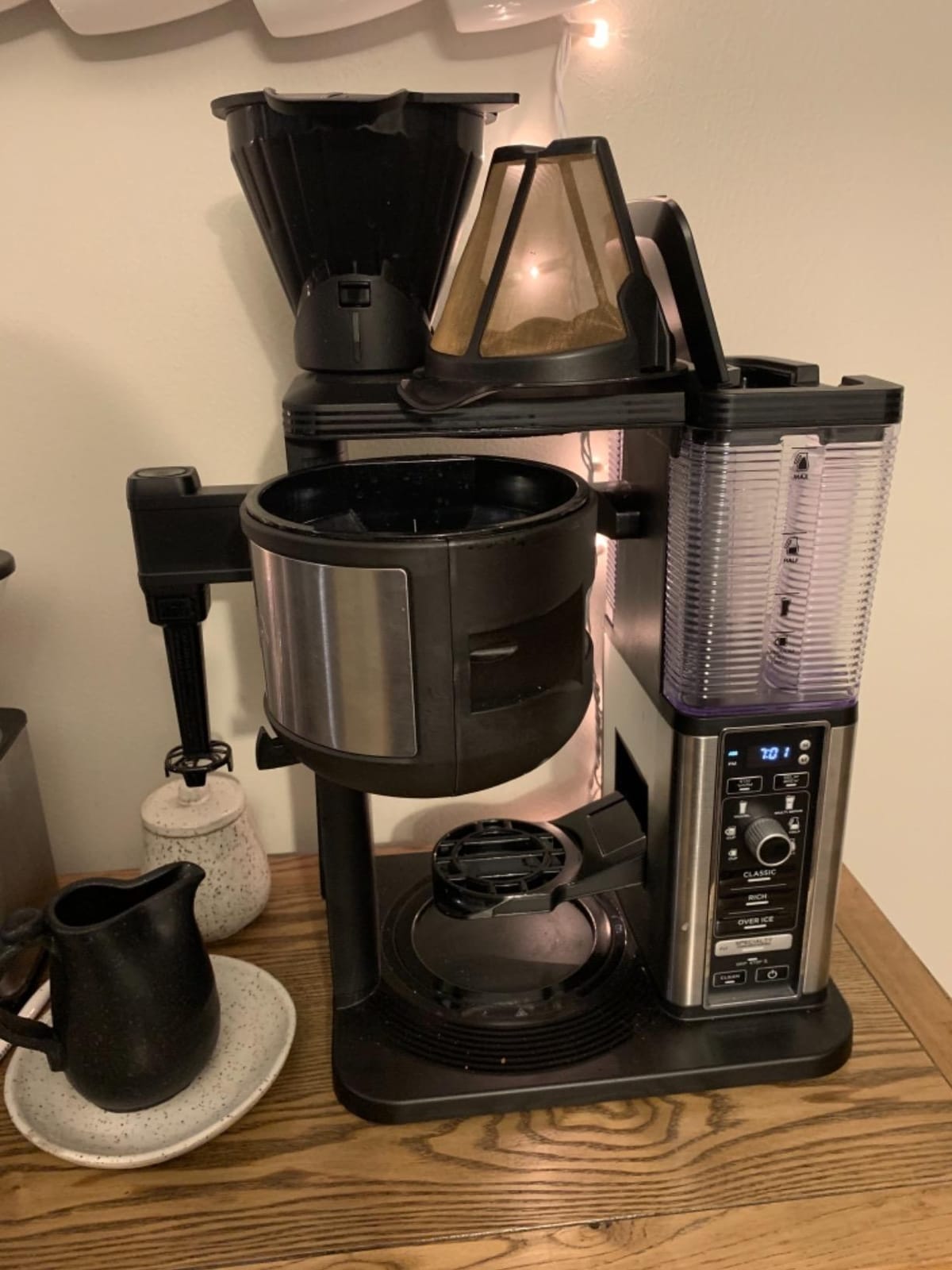
The Keurig alternative for people who drink coffee cold. This Ninja runs four brew styles, Classic, Rich, Over Ice and Cold Brew, and the cold brew cycle is ready in as little as ten minutes, which is short enough to run while you get dressed. Over Ice brews directly onto ice so the cup is not diluted into thin brown water.
Sizes run eight ways, from a small cup through an XL travel mug and then quarter, half or full carafe, so the same machine serves one person and a full pot. Owners highlight the output as consistently hot and flavorful even at the smaller sizes, which is the specific complaint most people bring with them from a pod machine.
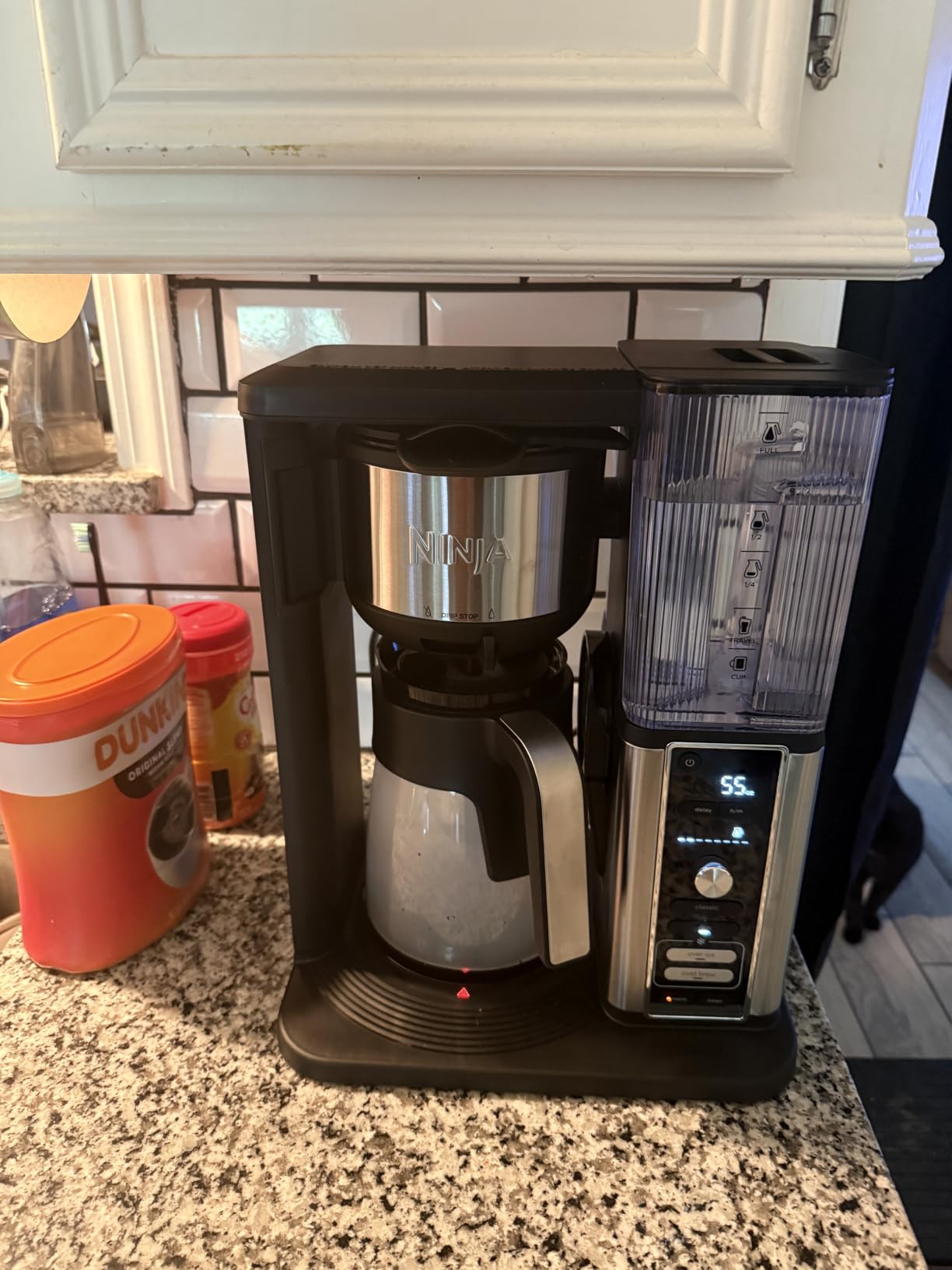
The removable reservoir senses how much water you put in, so you do not measure and do not keep topping it up mid-cycle. Thermal flavor extraction is the company’s term for how the water is distributed, and reviewers credit it with even saturation rather than a hollow cup with a strong finish.
A 24-hour delay brew covers the schedule-obsessed case, and the box includes a 12-cup glass carafe, a permanent filter and a Smart Scoop, so you are not buying accessories on day one. It draws 1550 watts, which is real power compared with a small pod brewer.
Who the Hot and Iced XL suits?
It suits iced and cold brew drinkers who currently dilute a hot pod cup with ice and ice water, and it suits anyone moving from single-serve to pot-sized brewing without giving up convenience. The auto-metering reservoir is a real upgrade for a household that refills twice a day.
If your old machine was a small pod brewer and your main complaint was temperature, this is a strong option because the thermal system is designed around even saturation across the full carafe as well as the single cup.
Where the Hot and Iced XL falls short?
Height is the practical problem. At 15.08 inches tall and 9.13 inches wide, it will not go under a standard low cabinet, and reviewers call this out as the most common complaint. Measure before you order.
The glass carafe is heavier and more breakable than a plastic pot, and the machine costs more than a basic drip brewer. It also stays in the grounds world, so if you want to keep using pods on the mornings you are in a hurry, you need a different machine.
We earn a commission, at no additional cost to you. CERTAIN CONTENT THAT APPEARS ON THIS SITE COMES FROM AMAZON. THIS CONTENT IS PROVIDED 'AS IS' AND IS SUBJECT TO CHANGE OR REMOVAL AT ANY TIME.
4. Cuisinart 14-Cup Programmable: The Best Fit for a Full House
Cuisinart Coffee Maker, Programmable, 14-Cup Glass Carafe, DCC-3200
★★★★★★★★★★14-cup glass carafe at about 5 oz each
1-4 cup setting for small batches
Three-year limited warranty
- Large 14-cup carafe in a compact footprint
- 1-4 cup setting brews a small batch without waste
- Three-year limited warranty
- Included gold permanent metal filter
- Long-term owners report 7-8 years from the same model
- New units can taste of plastic for the first few brews
- Reservoir is awkward to clean
- Carafe is unhinged and tricky to reseat
This is the volume answer. Fourteen cups, measured at about 5 ounces each, in a body that is only 9 inches wide, and a warming plate you can set to low, medium or high so a full pot does not sit cooking itself all morning. The 1-4 cup setting is the underrated part, because it lets a single person brew a small batch that tastes strong instead of heating a whole carafe for one cup.
Programming runs 24 hours ahead with a one-to-four cup option, an auto-off between 0 and 4 hours, and an optional ready alert tone for anyone who does not want to guess. A Brew Pause feature lets you pour mid-cycle, and a water window on the side makes filling exact.
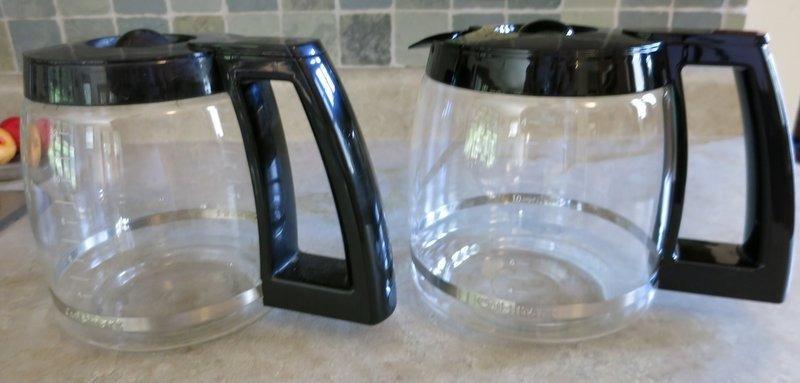
Durability is where this one separates itself. With a limited three-year warranty and long-term owners reporting seven or eight years from the same model, several of whom bought it twice, it is the machine here most likely to outlive the pod machine it replaced. A gold-tone permanent metal filter is included, so there are no paper filter purchases after the first week.
Taste is dependable rather than exciting. Reviewers describe consistent, good, hot coffee with the strength control doing useful work, which is exactly the brief for a household that wants a pot ready when everyone comes downstairs rather than a crafted single cup.
Who the Cuisinart 14-Cup suits?
It suits families, shared flats, and small offices where the pot runs out by mid-morning, and it suits anyone who is done replacing appliances every two years. The three-year warranty and the reported seven-year service life make it a low-frequency purchase in a way a pod machine is not.
The warming plate temperature control matters more than it sounds if you leave the pot sitting. Set it low and a second cup at 7 a.m. is still drinkable, which solves one of the classic full-pot complaints.
Where the Cuisinart 14-Cup falls short?
The most repeated complaint is an initial plastic taste on new units that fades after several water-only runs and wash cycles. If you are impatient and brew the first pot immediately, you will notice it. Descaling is a scheduled chore, and the reservoir is described as awkward to clean, with residue building over time.
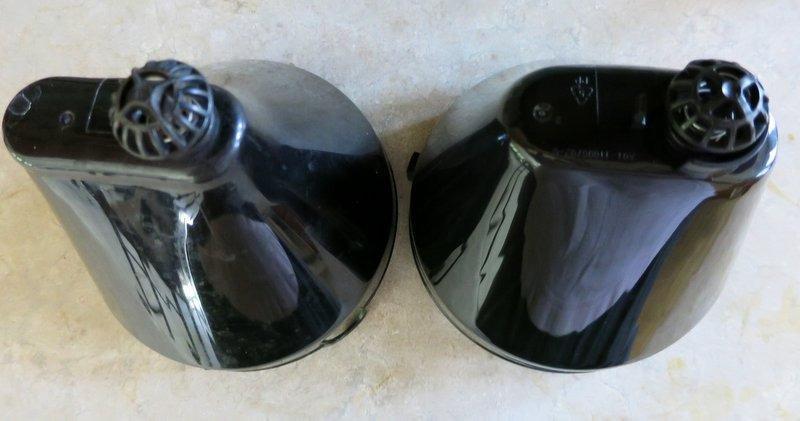
The carafe is unhinged rather than seated on a warming base, so it can be fiddly to remove and put back, and opening the lid can drip condensation down the back of the unit. Some units from certain batches also have a clock that runs fast, which is worth watching for in the first week.
We earn a commission, at no additional cost to you. CERTAIN CONTENT THAT APPEARS ON THIS SITE COMES FROM AMAZON. THIS CONTENT IS PROVIDED 'AS IS' AND IS SUBJECT TO CHANGE OR REMOVAL AT ANY TIME.
5. Cuisinart SS-10 Single Serve: The Best Choice for K-Cup Loyalists
Cuisinart Coffee Maker, Single Serve 72-Ounce Reservoir Pod Coffee Machine, Programmable Brewing & Hot Water Dispenser, 5 Cup-Size Settings, Stainless Steel, SS-10P1, Silver
★★★★★★★★★★Accepts K-Cup and K-Cup 2.0 pods
72 oz reservoir, five cup sizes
Hot water dispenser and auto-rinse
- Brews hotter and stronger than typical pod machines
- 72 oz reservoir covers about five large cups
- Also brews the included reusable ground-coffee pod
- Ready almost immediately with no tank heat-up cycle
- Three-year limited warranty
- Travel mugs do not fit under the brew head
- Some water splashes out of the cup
- A 10 oz brew fills a mug to the brim
This is the pick for the reader who is leaving Keurig but still has a cupboard of pods. It takes K-Cup and K-Cup 2.0 pods directly, and it also ships with a reusable ground-coffee pod, so you can start halving your pod use without changing anything else. Owners who moved to it from a Keurig frequently say the reason they switched was taste, and the claim that it brews hotter and stronger is the one that comes up most.
Cup sizes run from 4 to 12 ounces across five settings, and the 72-ounce reservoir is one of the larger ones, holding roughly five large cups before a refill. The auto-metering means you fill it and walk away, and the heating element runs water through a coil rather than a storage tank, which is why owners report almost instant readiness.
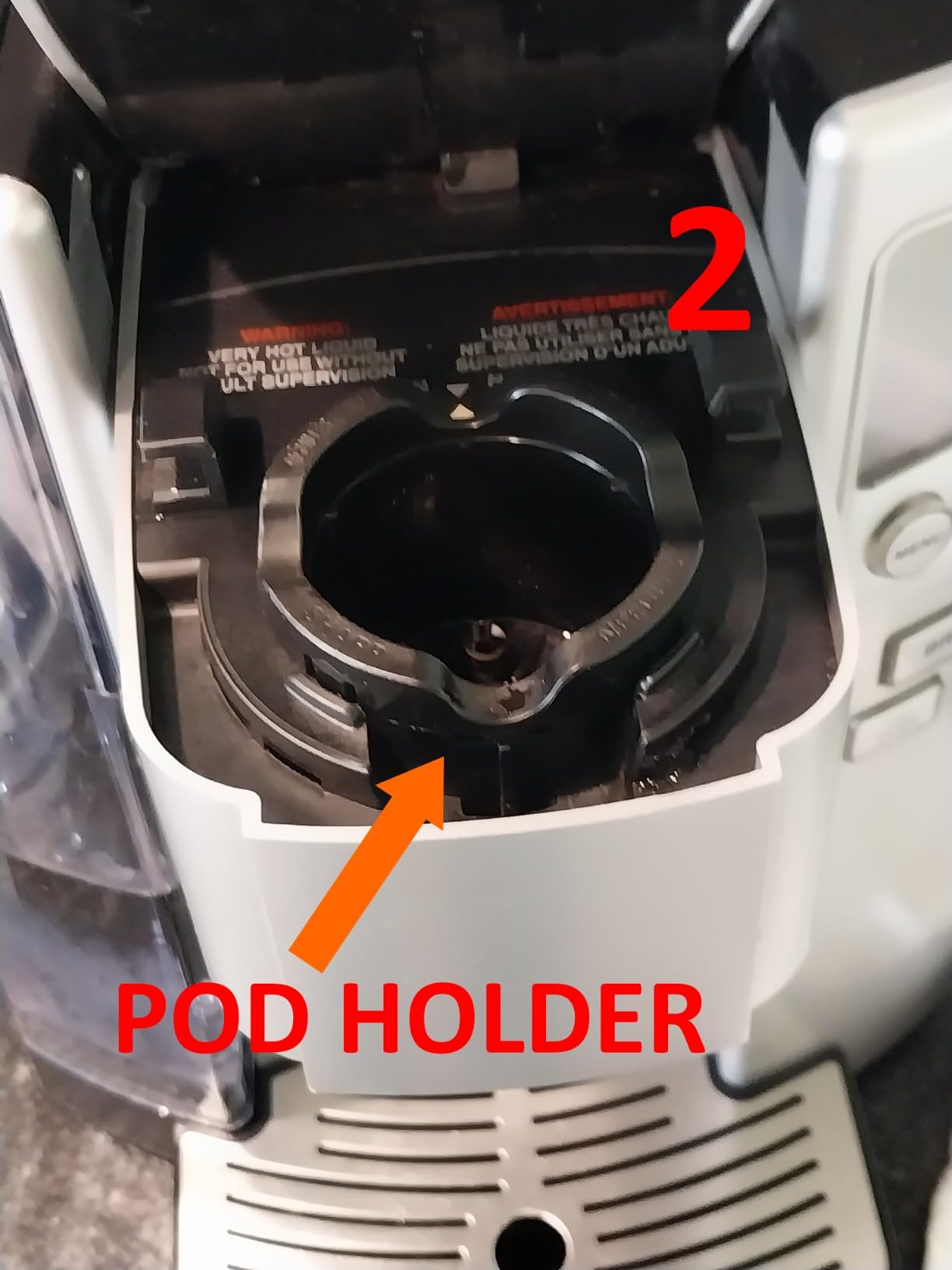
Two details make it more than a pod box. The hot water dispenser is a separate spout for tea, cocoa and instant foods, and an auto-rinse function flushes the brew chamber after use, which helps with the slime and residue buildup that pod owners complain about elsewhere. The backlit LCD handles programming and auto on and off, and the three-year limited warranty is longer than most machines in this category.
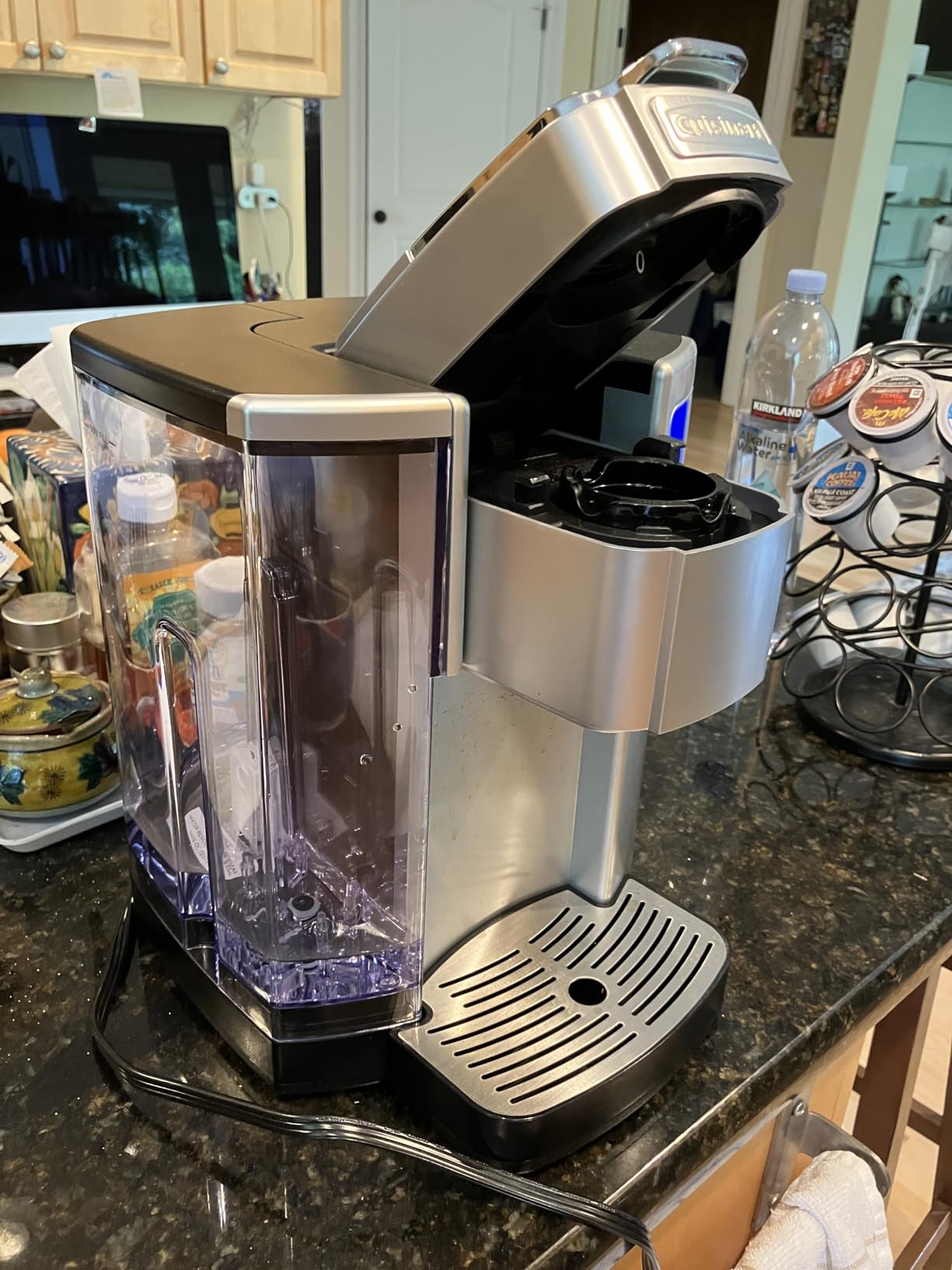
At 4.5 kilograms and 11 by 9 by 12 inches, it is a compact silver unit that suits a stainless kitchen. The design is polished rather than utilitarian, which matters more than it sounds if the machine lives on open counter.
Who the Cuisinart SS-10 suits?
It suits households of one or two who are not ready to give up pods entirely, and it suits anyone who wants a gradual transition. A reusable ground pod plus regular bagged coffee takes a meaningful bite out of the monthly pod habit without forcing a total change on day one.
It is also the best fit here for people who drink more than one drink type. The hot water side covers tea and cocoa on the same machine, which is hard to get from a pure capsule system at this size.
Where the Cuisinart SS-10 falls short?
Travel mugs do not fit under the brew head. You have to brew into a regular mug first and pour, which is annoying for anyone who lives out of a large insulated cup. Water also splashes out of the cup during brewing for some users, and a 10-ounce brew fills an average mug to the brim with no room for milk.
It is louder and slower than competing pod brewers, and there is one genuinely awkward detail. The water sensor tablet that sits in the reservoir is not explained in the manual, and owners report people throwing it out during a clean, which then leaves the machine unhappy. Keep it in place.
We earn a commission, at no additional cost to you. CERTAIN CONTENT THAT APPEARS ON THIS SITE COMES FROM AMAZON. THIS CONTENT IS PROVIDED 'AS IS' AND IS SUBJECT TO CHANGE OR REMOVAL AT ANY TIME.
6. Ninja DualBrew Pro: The Best Hybrid for Pods and Grounds in One Machine
Ninja Specialty Drip Coffee Maker, DualBrew Pro, Black, CFP301
★★★★★★★★★★Brews K-Cup pods and loose grounds
Specialty concentrate for lattes
Fold-away milk frother
- Brews both K-Cup pods and loose grounds in one unit
- Specialty mode makes real concentrate for lattes
- Separate hot water system with no coffee cross-contamination
- Shower head gives even saturation
- Thirteen brew sizes across grounds and carafe
- Largest footprint here at 15.5 inches tall
- Carafe coffee can come out lukewarm
- Filter is not included and must be bought separately
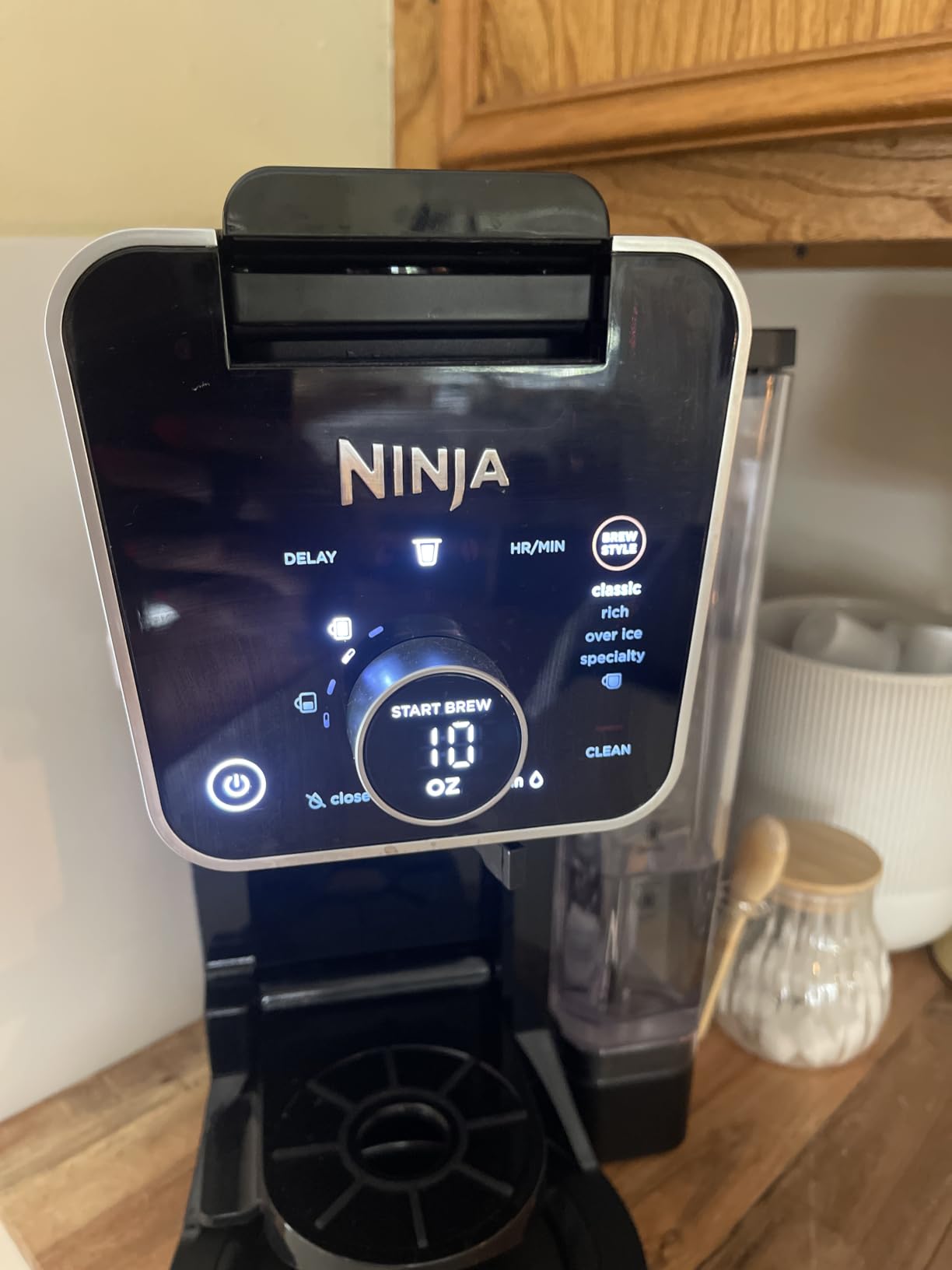
The most requested idea in Keurig owner threads is a machine that takes both pod formats so nobody wastes a cupboard of pods on day one. This is that idea, and it goes further by adding a full carafe. It brews K-Cup pods through an included one-hole adapter and loose grounds at the same time, in one body, with 13 sizes split across five grounds options, four carafe options and four pod options.
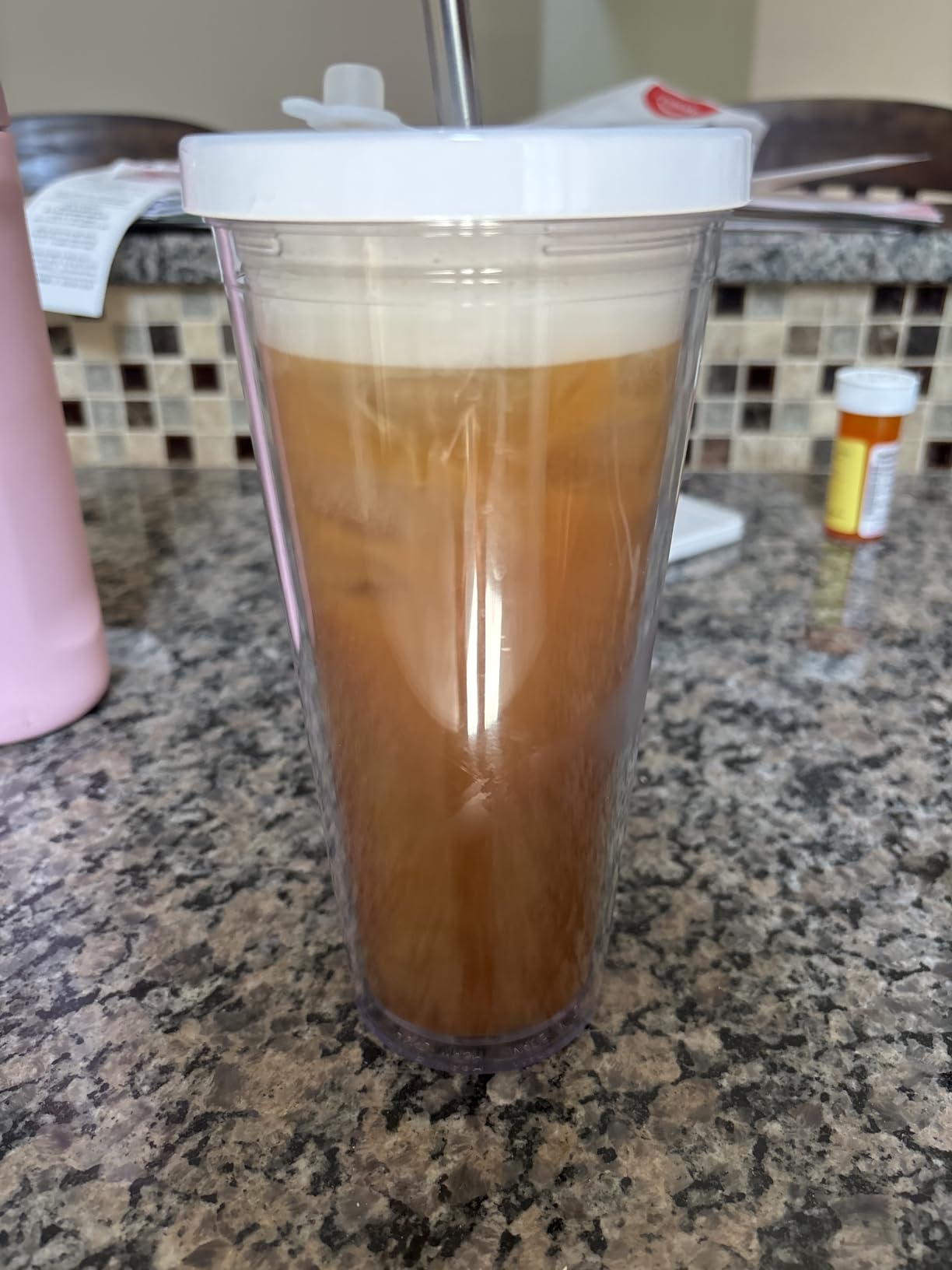
The Specialty mode is the reason latte drinkers stop shopping. Instead of forcing thin hot water through a pod, it brews a concentrated shot-style coffee that you steam with the built-in fold-away frother to make lattes, macchiatos and cappuccinos. The frother lifts out for cleaning, and the shower head distributes water evenly so no grounds end up in the cup.
The independent hot water system is a detail other machines skip. It is a separate dispenser with hot and boil settings, so making tea or instant noodles does not push water through coffee grounds first, which owners specifically praise as clean-tasting tea.
The 60-ounce reservoir mounts on the side or the rear depending on your counter, and the box includes a smart scoop, the fold-away frother, the K-Cup adapter and a 12-cup glass carafe. The one-year limited warranty is the shortest here, which is the one part of this package that lags behind the feature list.
Who the DualBrew Pro suits?
It suits people who want to leave pods behind but finish their existing stock first, and it suits households that split between quick single cups and a full pot on weekends. If you make café-style drinks at home, the concentrate mode plus the frother covers that without a separate espresso setup.
For a buyer who has already owned a pod machine, this is the smoothest upgrade path. You keep the same one-press gesture, but you gain strength, volume, and drinks you could not make before.
Where the DualBrew Pro falls short?
It is the largest machine in this roundup at 15.54 inches tall and just over 9 pounds, and the price reflects the feature set, so this is a planned purchase rather than an impulse replacement. Measure the space under your cabinets and the gap beside the sink before committing.
Carafe coffee can come out lukewarm, and the heated mug option is not intuitive to find. The keep warm function only engages at 28 ounces or larger, the delay brew has to be re-armed each night rather than left set, and the paper filter is not included. Owners also note that startup is fast but the machine is doing more work per cup than a simple drip model.
We earn a commission, at no additional cost to you. CERTAIN CONTENT THAT APPEARS ON THIS SITE COMES FROM AMAZON. THIS CONTENT IS PROVIDED 'AS IS' AND IS SUBJECT TO CHANGE OR REMOVAL AT ANY TIME.
7. Nespresso Essenza Mini: The Best Keurig Alternative for Espresso and Small Spaces
Breville Nespresso Original Essenza Mini Espresso Machine
★★★★★★★★★★19 bar pump pressure
25-second heat up
4.3 inches wide, capsule machine
- Espresso much closer to a traditional Italian machine
- Extremely compact at 4.3 inches wide
- Shots in under 40 seconds after a 25-second heat up
- Works with cheaper third-party and reusable capsules
- Aluminium capsules are fully recyclable
- Small reservoir and tiny drip tray need constant attention
- Water pools in the base and can spill
- Espresso volume runs larger than a standard 25 ml shot
If the reason you are leaving Keurig is taste, this is the machine with the strongest case. At 19 bar pump pressure it produces a short, dense, crema-topped espresso, and reviewers consistently rate the result closer to a traditional Italian machine than any pod competitor we tested. The capsules are pressed at real pressure rather than gently steeped, and the flavour difference from a K-Cup is immediate rather than marginal.
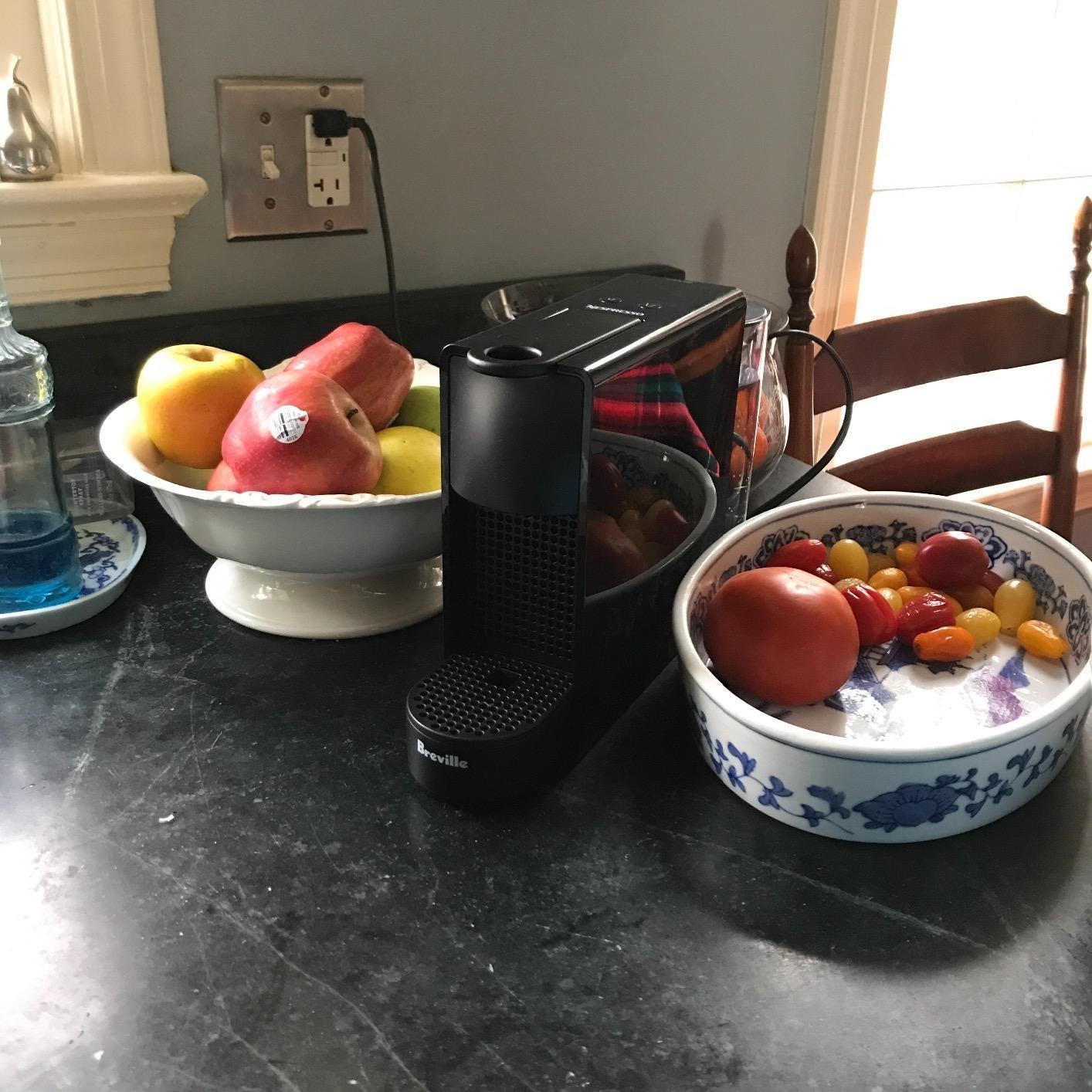
It is also the smallest machine here by a wide margin, at 4.3 inches wide and 12.8 inches tall, so it fits a counter that cannot take a carafe brewer. Heat up takes 25 seconds and shots come through in under 40, with automatic energy-saving shut off when you leave it alone.
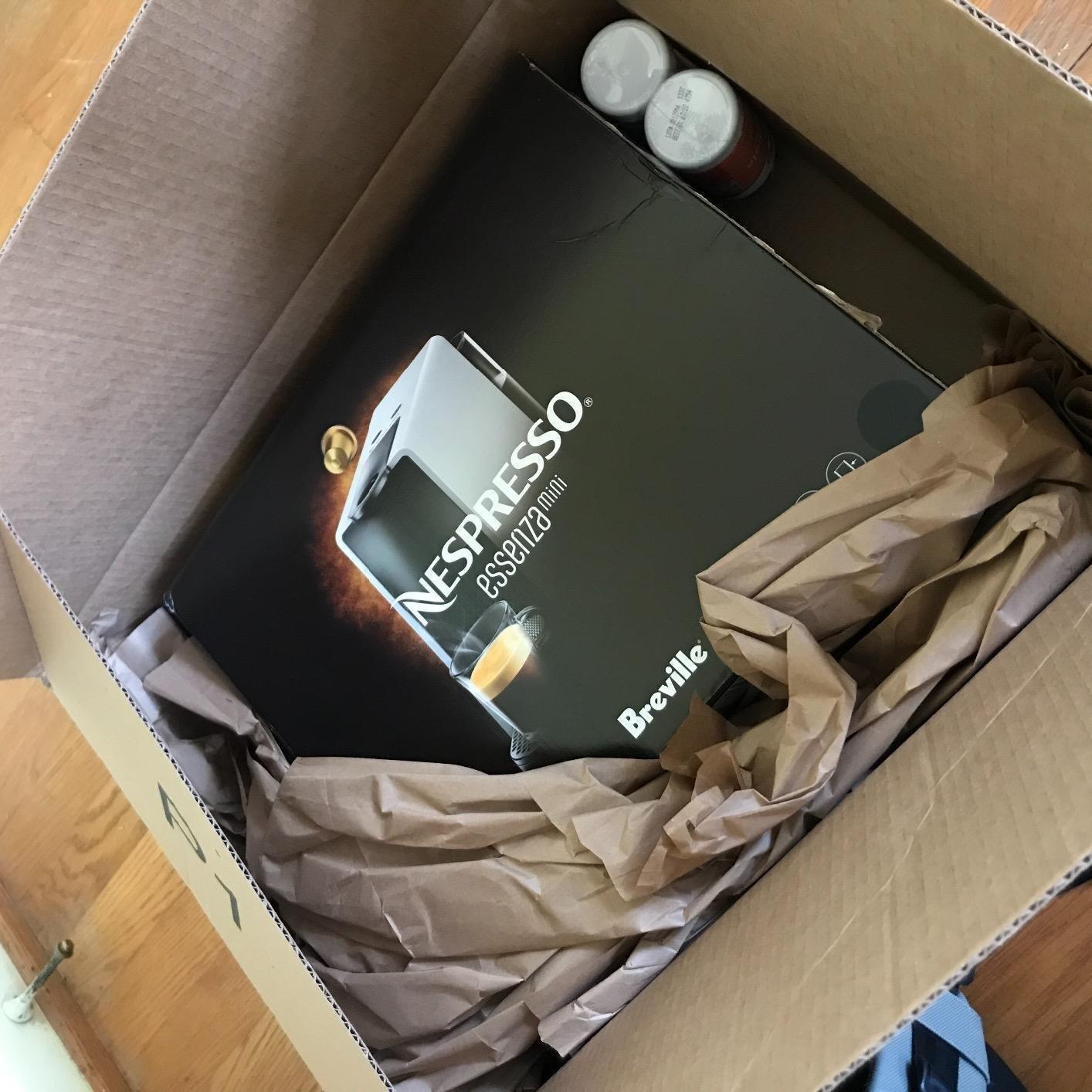
Two things lower the running cost against what people expect. It works with third-party capsules as well as Nespresso Original ones, and it accepts reusable capsules, so you are not locked into one brand of pod. The capsules themselves are aluminium and go back through Nespresso collection bags, which answers the plastic waste question in a way no K-Cup system can.
Two one-touch sizes, espresso and lungo, cover the range, and both are reprogrammable if you want a longer cup. A starter set of capsules is included, though the assortment varies.
Who the Essenza Mini suits?
It suits a kitchen with very little counter space, since it is narrower than most single-serve machines, and it suits anyone who wants a genuine espresso shot at home in under a minute. It also travels well if you are moving the Keurig out of a home office or rental.
For owners who care about waste, aluminium capsules and reusable capsules make it the cleanest pod-based answer here. Forum regulars who made the switch from a pod machine often accept the higher capsule price as a fair trade because the machine itself is built to last, with a one-year limited warranty and a metal-and-plastic body.
Where the Essenza Mini falls short?
Maintenance is the honest catch. The water reservoir holds roughly one 0.5 litre bottle, and the drip tray and capsule bin are small enough to need emptying every day or two in a one-cup-a-day household. Water also collects in the base and can spill onto the counter when you lift the drip components out, which is the most repeated complaint in reviews.
There is no built-in milk frother, so lattes need a separate wand or machine, and the espresso volume runs larger than the standard 25 ml, which dilutes an Americano more than you may want. If you drink one coffee a day and hate chores, this is more upkeep than the pod machine you are replacing.
We earn a commission, at no additional cost to you. CERTAIN CONTENT THAT APPEARS ON THIS SITE COMES FROM AMAZON. THIS CONTENT IS PROVIDED 'AS IS' AND IS SUBJECT TO CHANGE OR REMOVAL AT ANY TIME.
8. BLACK and DECKER Grind and Brew: The Best Pick With a Built-In Grinder
BLACK+DECKER 12-Cup Grind and Brew Coffee Maker
★★★★★★★★★★Integrated burr grinder for beans or grounds
12-cup glass carafe
Dishwasher-safe parts, two-year warranty
- Grinds whole beans and brews in one step
- Replaces the need for a separate grinder
- 12-cup carafe for a household or small office
- Dishwasher-safe parts simplify cleanup
- Two-year limited manufacturer warranty
- Grind amount needs reprogramming when beans change
- Coarse grinds or light tamping reduce brew pressure
- Espresso yield varies with grind size out of the box
The argument for this one is simple arithmetic of a different kind. It has an integrated burr grinder, so a household buying it can drop a separate grinder from the list entirely. It accepts whole beans or pre-ground coffee, brews into a 12-cup glass carafe, and includes a reusable permanent filter, so there are no paper purchases and no pods.
Cleanup is the quiet strength. The removable parts are dishwasher-safe, the control surface is a simple one-touch touchscreen, and the two-year limited manufacturer warranty is longer than most of the electric brewers in this roundup. At 1440 millilitres it is sized for a family or a small office.
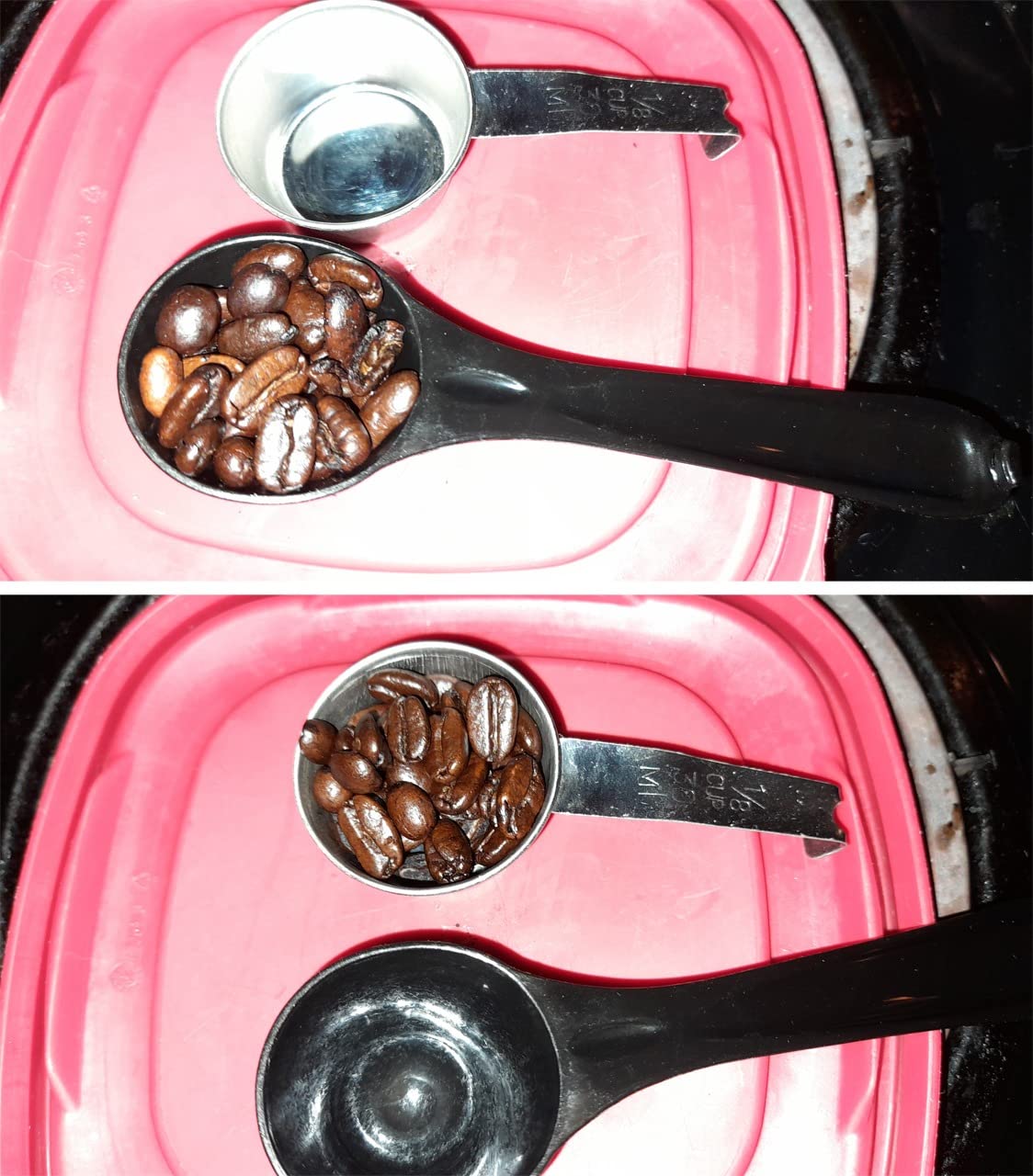
Here is the honest part. This is tied for the lowest average rating of the eight machines we reviewed, with about 66 percent of reviews at five stars and 9 percent at one star, and the weakness is consistent rather than random. When you change beans or change the dose, the grind size and amount have to be reprogrammed, and the manual says so plainly.
Coarse grinds, too little coffee, or insufficient tamping lead to inadequate pressure for a proper brew, and the espresso-style yield varies directly with grind size. That is a learnable curve, not a defect, but it is a curve you have to be willing to climb in the first fortnight.
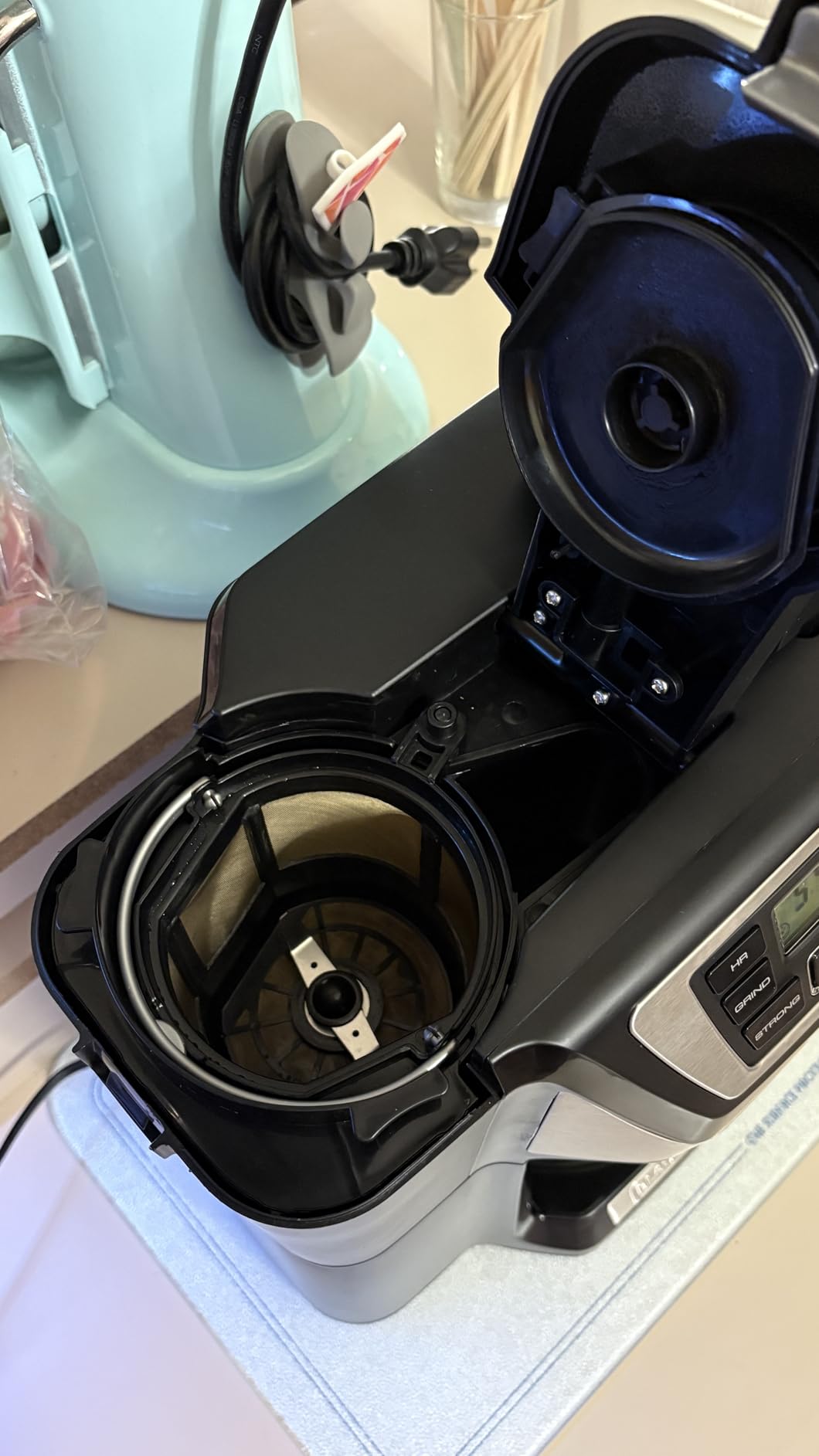
Who the Grind and Brew suits?
It suits a household that currently owns a blade grinder, or plans to buy one, and wants freshness from whole beans without a second appliance on the counter. It also suits anyone moving from pod coffee to grounds and who prefers to buy beans over pre-ground bags.
If dishwasher-safe cleanup and a straightforward interface matter more to you than the last few percent of flavour, this is a sensible, low-maintenance landing spot. A two-year warranty gives a little more reassurance than most machines at this level.
Where the Grind and Brew falls short?
It is a 9.5-pound plastic body measuring 10 by 13.5 by 15.5 inches, so it is both tall and deep, and the touchscreen surface smudges easily. The grind adjustment is the real issue: reprogram every time you change bean type or dose, or the cup will not be consistent.
It is also a single-purpose coffee machine. There is no pod option, no carafe-plus-single-serve split, and no cold brew cycle, so anyone who still wants one pod on a rushed morning should look at the Cuisinart SS-10 or the DualBrew Pro instead.
We earn a commission, at no additional cost to you. CERTAIN CONTENT THAT APPEARS ON THIS SITE COMES FROM AMAZON. THIS CONTENT IS PROVIDED 'AS IS' AND IS SUBJECT TO CHANGE OR REMOVAL AT ANY TIME.
How to Choose a Keurig Replacement That Fits Your Habits?
Pick the brewing method first and the brand second. Get this backwards and you will end up with a machine you resent, which is the single most common complaint in switcher threads. Our own guide to other worthwhile alternatives people regret not researching sooner follows the same rule: the mechanism decides whether the habit sticks.
Decide on capsule, grounds or both before you shop
Capsule systems trade taste and running cost for speed and consistency. Grounds systems trade a little effort for cheaper cups, more control and no pod waste. Hybrid machines let you do both, at the cost of counter space and a higher price band.
A simple test: if your reason for leaving is the cost of pods, do not buy another capsule machine unless it is the Nespresso, because Nespresso runs cheaper per cup than most pod systems and lets you use reusable capsules. If your reason is taste, go grounds, and do not be tempted back by a capsule machine with a nicer badge.
Match the machine to how many cups your household drinks
One cup a day means the AeroPress, the Cuisinart SS-10, or the Nespresso Essenza Mini. Two to four cups means the Hamilton Beach 2-Way Brewer, which handles both a single cup and a pot without you choosing in advance. Five or more means a carafe machine, and the Cuisinart 14-Cup with its 1-4 cup setting is the least wasteful option for mixed households.
Do not buy a full pot for a household of one. A 14-cup carafe reheating all morning is exactly the complaint that sends people back to single-serve, and it is why the small-batch setting exists.
Counter space and cup height are the two measurements people miss
Measure the clearance under your cabinets before ordering anything. The Ninja Hot and Iced XL is 15.08 inches tall and the DualBrew Pro is 15.54 inches, so both will fail a standard low-cabinet kitchen, while the Essenza Mini at 12.8 inches and the Hamilton Beach at 13.9 inches fit comfortably.
Then measure your actual cup. A 12-ounce brew setting filling a normal mug leaves no room for milk, and several pod machines cannot fit a travel mug under the brew head at all. If your day starts with a 16-ounce insulated cup, check that before anything else.
Cost Per Cup and Upkeep Over the First Year
None of the machines here has a meaningful per-cup cost except the capsule ones, and that is the entire economic argument for the grounds route. A bag of coffee divided across a permanent filter costs a small fraction of what the same coffee costs in a single-use pod, and the filter is bought once. Nespresso sits between the two, because third-party and reusable capsules pull the running cost down further than the official-brand pricing suggests.
The other half of the calculation is machine replacement. When forum owners describe Keurigs failing within a year or two at modest daily use, the practical effect is that the brewer price gets paid more than once. A grounds machine with a three-year warranty and a reported seven-year service life changes the arithmetic of a small daily saving into a substantial one over a few years.
What descaling actually involves?
Descaling is not cleaning. Cleaning is washing the carafe and filter, and descaling is flushing mineral scale out of the internal heating path, which no amount of rinsing will reach. With a pod machine you are descaling a small, enclosed path every few months, and owners on forums describe the slime and residue buildup that happens if you skip it.
Carafe drip machines scale too, but a manual brewer like the AeroPress has no internal plumbing and no element, so the maintenance story reduces to rinsing a chamber and a filter. That is the quiet practical argument for going manual, and it is why the AeroPress shows up in almost every switching thread as a low-commitment first step.
Where the per-cup savings really come from?
They come from grounds, not from a cheaper machine. Among these eight, the Cuisinart 14-Cup, the Hamilton Beach 2-Way Brewer, the Ninja Hot and Iced XL, the Cuisinart SS-10 with its reusable ground pod, and the BLACK+DECKER Grind and Brew all let you drink the same coffee by weight rather than by pod.
The savings scale with volume, which is the argument for matching the machine to your household size. A one-cup-a-day drinker saves a small absolute amount on grounds, but they also eliminate the repeated machine purchases that owners on r/keurig and r/Frugal describe as the real cost of staying with pods.
Who Should Keep Their Keurig?
Some readers should not switch, and saying so is more useful than another recommendation. If you drink one pod a day, have no interest in measuring or grinding, and use the machine in a small kitchen where a 15-inch appliance will not fit, a working Keurig is genuinely fine. The K-Mini class of machine is cheap, compact and does one job well.
Also stay if you use the hot water side for tea, if your household is firmly pod-loyal, or if you would replace a perfectly good machine out of guilt rather than because the coffee disappointed you. The honest test is whether you are unhappy with the cup or merely uneasy about the pod. Those are different problems, and only one of them is solved by a new machine.
One more practical note. Forum owners repeatedly raise the discontinuation of universal-cup Keurig models, so if your machine still works, keeping it while you research a replacement is a rational position rather than stubbornness.
Frequently Asked Questions
What to replace a Keurig with?
Replace it with a machine built on the brewing method you actually want. For cheap cups and no plastic, choose a grounds drip or scoop brewer such as the Hamilton Beach 2-Way Brewer or the Cuisinart 14-Cup. For one-push capsule brewing with better flavor, choose the Nespresso Essenza Mini. For pods and grounds in one body, choose the Ninja DualBrew Pro. For no electricity at all, choose the AeroPress Go.
What are some healthy alternatives to Keurig?
AeroPress is the strongest option for a gentler cup, because you control brew time and water temperature and can slow-steep the same grounds cold for a low-acidity result. Grounds drip machines let you pick a lighter roast and skip the plastic pod entirely. Nespresso capsules are aluminium and recyclable, which removes the single-use plastic object per cup that bothers most people about K-Cups.
What is the average life expectancy of a Keurig?
Owners on coffee forums commonly report Keurigs failing after roughly a year, often at only one or two pods a day, and a neglected machine tends to be replaced before it wears out. That short cycle is why the true cost of a Keurig is the machine plus pods plus early replacement. Grounds brewers with longer warranties, such as the Cuisinart 14-Cup with its three-year limited warranty, tend to last noticeably longer.
Are there any K Cups without microplastics?
There is no completely plastic-free K-Cup format, because the pod itself is a plastic cup with a plastic lid and lining. The practical alternatives are a reusable ground-coffee pod, which the Cuisinart SS-10 includes, a permanent metal or mesh filter on a grounds brewer, or Nespresso aluminium capsules that go back through free collection bags. Each removes the single-use plastic item from your routine.
Do Keurig machines leak microplastics?
The concern comes from the plastic pod lining coming into contact with hot water, not from the machine leaking. Whether particles migrate in meaningful amounts is disputed, and most guidance is to handle hot liquid in plastic containers sparingly rather than to rule out a category of machine. If the question is what you drink rather than what the pod contains, moving to aluminium capsules or grounds removes the question entirely.
Should I throw away my Keurig?
Not if it still works and you drink one pod a day with no interest in measuring or grinding. A compact K-Mini class machine does one job well in a small kitchen, and keeping a functional machine while you research a replacement costs nothing. Switch when the cup disappoints you, when pod pricing adds up, or when the plastic bothers you, not out of guilt.
The Verdict on the Best Keurig Alternatives in 2026
Eight machines, one clear winner. The Hamilton Beach 2-Way Brewer is the best Keurig alternative overall because it changes the economics of your coffee without changing a single part of your morning routine, and it backs that up with the largest review base of anything we looked at.
Take the Ninja Hot and Iced XL if cold drinks dominate, the AeroPress Go if you travel or own no other equipment, the Cuisinart 14-Cup if the pot empties fast, the Cuisinart SS-10 if you want to keep your pods, the DualBrew Pro if you want both formats and café drinks, and the Nespresso Essenza Mini if taste and counter width matter most. And if your Keurig still works and you are only mildly annoyed, keep it. Buying guides like our roundup of well-reviewed upgrade alternatives are useful precisely because the right answer is sometimes the machine you already own.